
في خطوة استراتيجية تهدف إلى الارتقاء بمستوى الخدمات المقدمة لضيوف الرحمن، أعلنت الهيئة العامة للعناية بشؤون المسجد الحرام والمسجد النبوي عن تطوير وتحديث منظومة سقيا زمزم داخل أروقة المسجد الحرام. تأتي هذه الجهود المكثفة لمواكبة الكثافة العددية المتزايدة من الحجاج والمعتمرين، خاصة مع اقتراب مواسم الذروة مثل موسم الحج، حيث تسعى الجهات المعنية إلى توفير بيئة روحانية آمنة ومريحة تلبي كافة احتياجات الزوار وتضمن انسيابية حركتهم.
السياق التاريخي والأهمية الروحية لماء زمزم
يحمل ماء زمزم مكانة عظيمة في قلوب المسلمين حول العالم، حيث يمتد تاريخ بئر زمزم إلى عهد النبي إبراهيم وابنه إسماعيل عليهما السلام. ومنذ ذلك الحين، تُعد “السقاية” أو توفير الماء للحجاج والمعتمرين من أعظم المهن وأكثرها شرفاً في مكة المكرمة. تاريخياً، توارثت الأجيال مهمة العناية بهذا البئر المبارك، وصولاً إلى العهد السعودي الذي شهد نقلات نوعية وتوسعات تاريخية غير مسبوقة لضمان وصول ماء زمزم النقي إلى كل زائر بكل يسر وسهولة، مما يعكس الاهتمام البالغ بخدمة الحرمين الشريفين وقاصديهما.
تفاصيل منظومة سقيا زمزم الحديثة
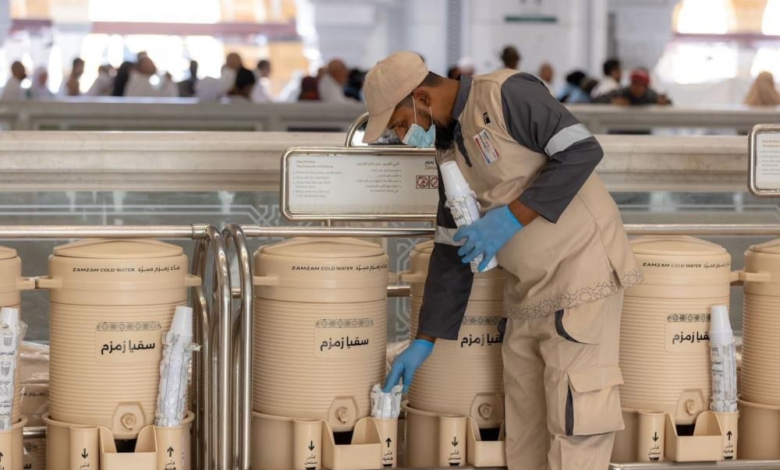
في إطار التطوير المستمر لرفع الجاهزية التشغيلية، تضم منظومة السقيا الحالية داخل المسجد الحرام 169 مشربية مخصصة لماء زمزم، موزعة بعناية في مختلف الأروقة والساحات. ولضمان راحة المصلين، يتم يومياً استخدام نحو 14,892 حافظة توفر المياه الباردة والعادية. وتتجلى ضخامة هذه العمليات في توزيع أكثر من 2.1 مليون كأس يومياً، مما يضمن حصول كل زائر على حاجته من الماء المبارك دون عناء. كما تشير الإحصائيات الرسمية إلى أن متوسط الاستهلاك اليومي لماء زمزم يبلغ قرابة 1,622 متراً مكعباً، وهو رقم يعكس حجم الجهود الجبارة المبذولة على مدار الساعة.
تقنيات متطورة للحد من الهدر وضمان الجودة
لا يقتصر التطوير على زيادة الكميات فحسب، بل يمتد ليشمل تحسين كفاءة التوزيع وتقليل نسب الهدر المائي إلى أدنى مستوياتها. تعتمد الإدارة المختصة على مؤشرات تشغيل دقيقة تقيس معدلات الطلب وتحلل الاحتياج الفعلي لنقاط الخدمة، مما يسرع من الاستجابة خلال أوقات الذروة. ولضمان أعلى معايير السلامة الصحية، تُجرى فحوصات مخبرية يومية صارمة على 70 عينة من المياه، للتأكد من جودتها ونقائها وخلوها من أي شوائب، وذلك وفقاً لأحدث المعايير العالمية المعتمدة في مجال صحة وسلامة مياه الشرب.
التأثير المتوقع على تجربة ضيوف الرحمن
من المنتظر أن تسهم هذه التحسينات الجذرية في إحداث تأثير إيجابي ملموس على المستويين المحلي والدولي. محلياً، ستساعد هذه التقنيات في تقليل التكدس والازدحام حول مواقع السقيا، مما يدعم انسيابية الحركة داخل المسجد الحرام ويحافظ على سلامة الزوار. أما على الصعيد الدولي، فإن تقديم خدمات استثنائية وعالية الكفاءة يعكس الصورة المشرقة للمملكة وقدرتها الفائقة على إدارة الحشود المليونية، وهو ما ينسجم تماماً مع مستهدفات رؤية السعودية 2030 الرامية إلى إثراء وتعميق تجربة الحجاج والمعتمرين، وضمان استدامة الخدمات التشغيلية بكفاءة عالية.