«ريف السعودية»: 1000 جهاز استغاثة للصيادين وعيادات متنقلة لمكافحة الآفات الزراعية

وتستهدف الخطوة تمكين المستفيدين، ورفع كفاءة الإنتاج، وتحقيق الاستدامة الاقتصادية وفق مستهدفات رؤية السعودية 2030.
دعم صغار الصيادين
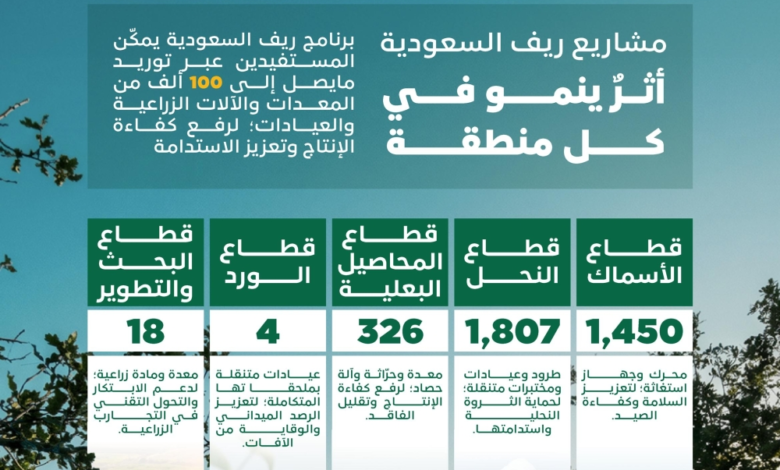
وأوضح المتحدث الرسمي للبرنامج، ماجد البريكان، أن المشاريع تضمنت دعم صغار الصيادين بتوريد 450 محركًا بحريًا حديثًا.
وأضاف أن هذه المحركات تستهدف استبدال المحركات القديمة؛ لتقليل الأعطال المفاجئة والحد من المخاطر التشغيلية أثناء الإبحار.
وبيّن البريكان أنه تم توفير 1000 جهاز استغاثة عبر الأقمار الصناعية وتركيبها على قوارب الصيد وفق أعلى معايير السلامة.
ولفت إلى أن هذه الأجهزة التقنية تسهم في حماية الأرواح، وتعزيز جاذبية قطاع الصيد بوصفه مصدر دخل مستدام.
مكافحة أمراض النباتات
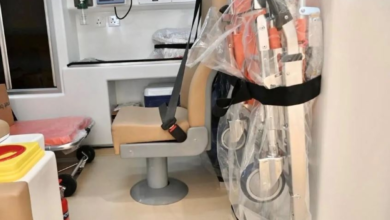
وعلى الصعيد الزراعي، كشف المتحدث الرسمي عن توريد 4 عيادات متنقلة بملحقاتها لتشخيص أمراض وآفات الورد والنباتات الطبية.
وأشار إلى توفير 171 معدة زراعية حديثة لخدمة وحصاد المحاصيل البعلية في منطقتي مكة المكرمة وجازان؛ لتقليل الفاقد الزراعي.
وأفاد بتوريد 155 حراثة وآلة حديثة لإعداد التربة في جازان، بما يضمن استغلال مياه الأمطار والموارد الطبيعية المتاحة.
وذكر أن البرنامج دعم الوحدة البحثية بوادي بن هشبل في منطقة عسير، عبر توفير 18 معدة ومادة زراعية؛ لتعزيز كفاءة العمل البحثي والتطبيقي.
تحسين جودة العسل
وتطرق البريكان إلى قطاع تربية النحل عبر توريد 1800 طرد إلى جميع المناطق؛ بهدف تحسين جودة العسل ورفع كفاءة الإنتاج.
وأكد أن هذه الخطوة تدعم التحول إلى ممارسات مستدامة في مشاريع إنشاء وتشغيل محطات تربية الملكات.
واختتم بالإشارة إلى توريد 7 وحدات لفحص أمراض وآفات النحل في المحاجر، شملت 3 مختبرات متنقلة و4 عيادات.
وشدد على أن هذه المنظومة تستهدف تعزيز الرقابة الصحية والبيطرية للكشف المبكر عن الأمراض، وحماية الثروة النحلية واستدامتها.