
السياق العام والخلفية المناخية لظاهرة الغبار
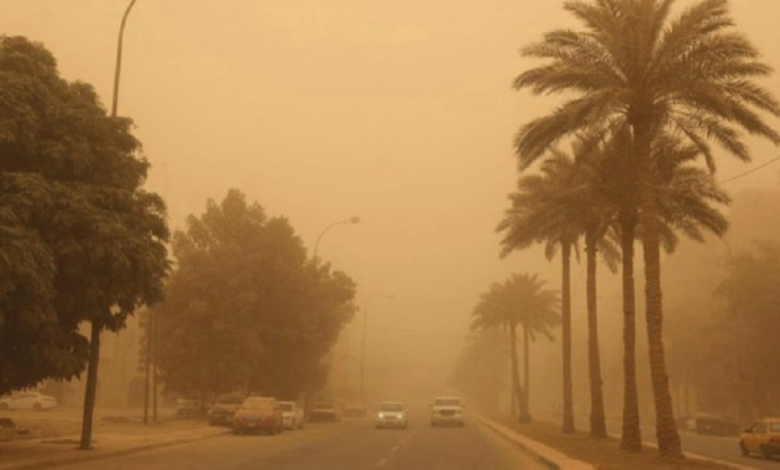
في ظل التغيرات المناخية المتسارعة التي يشهدها العالم، تتزايد أهمية متابعة الظواهر الجوية القاسية التي تؤثر على حياة الملايين. تُعد منطقة الشرق الأوسط وشمال أفريقيا، بالإضافة إلى أجزاء من وسط آسيا، من أكثر المناطق عُرضة للعواصف الرملية والغبارية على مستوى العالم. ويعود ذلك تاريخياً وجغرافياً إلى الطبيعة الصحراوية الجافة، وانخفاض معدلات الهطول المطري، فضلاً عن تزايد معدلات التصحر وتدهور الأراضي. وفي السنوات الأخيرة، ساهمت التغيرات المناخية في جفاف العديد من المسطحات المائية، مما أدى إلى ظهور بؤر جديدة لتطاير الغبار، وهو ما يفسر الكثافة العالية لهذه العواصف وامتدادها عبر الحدود لتشمل عدة دول في آن واحد.
رصد 98 ساعة غبارية وتوزيعها على دول الإقليم
في هذا السياق، أعلن المركز الإقليمي للعواصف الغبارية والرملية عن تسجيل إحصائيات هامة تتعلق بنشاط الغبار في المنطقة. حيث تم رصد ما مجموعه 98 ساعة من الحالات الغبارية في عدد من دول الإقليم خلال يوم 16 مايو 2026. وأوضح التقرير الصادر عن المركز تفاوتاً ملحوظاً في تأثر دول المنطقة، حيث جاءت الإحصائيات التفصيلية على النحو التالي:
- إيران: تصدرت القائمة كأكثر الدول تأثراً بتسجيلها 39 ساعة من العواصف الغبارية.
- المملكة العربية السعودية: جاءت في المرتبة الثانية بتسجيل 26 ساعة من النشاط الغباري.
- الأردن: سجل 12 ساعة من الحالات الغبارية.
- دولة الكويت: تأثرت بـ 9 ساعات.
- العراق: سجل 4 ساعات من العواصف.
- مصر وتركمانستان: رُصدت 3 ساعات في كل منهما.
- أوزبكستان: سجلت ساعتين فقط.
وأشار المركز إلى أنه لم تُسجل أي ساعات غبارية في بقية دول الإقليم خلال الفترة نفسها، مما يدل على تركز الكتل الغبارية في مسارات جغرافية ومناخية محددة.
أهمية الحدث وتأثيراته المتوقعة محلياً وإقليمياً
لا تقتصر تداعيات العواصف الغبارية والرملية على انخفاض مستوى الرؤية الأفقية فحسب، بل تمتد لتشمل تأثيرات واسعة النطاق. على الصعيد الصحي، تؤدي هذه العواصف إلى تفاقم أمراض الجهاز التنفسي مثل الربو والحساسية، مما يشكل ضغطاً إضافياً على أنظمة الرعاية الصحية في الدول المتأثرة. أما على الصعيد الاقتصادي والبيئي، فتتسبب في خسائر لقطاعات النقل الجوي والبري نتيجة انعدام الرؤية، بالإضافة إلى تأثيرها السلبي على قطاع الطاقة، خاصة انخفاض كفاءة الألواح الشمسية لتوليد الطاقة المتجددة بسبب تراكم الأتربة عليها.
جهود المركز الإقليمي في الرصد والإنذار المبكر
أكد المركز الإقليمي أن هذه البيانات الدقيقة تأتي ضمن أعماله اليومية المستمرة لمتابعة تطورات العواصف الغبارية والرملية وتحليل أنماطها. ويهدف المركز من خلال هذه الجهود إلى دعم اتخاذ القرار وتقديم المعلومات الدقيقة للجهات المختصة والباحثين، بما يعزز جهود الحد من آثار هذه الظواهر على الصحة العامة والبيئة وقطاعات النقل والطاقة. ويواصل المركز عمله الدؤوب عبر منظومة متكاملة تعتمد على أحدث التقنيات والنماذج المناخية لرصد الظواهر الغبارية، ورفع مستوى الاستعداد للتعامل معها في مختلف دول الإقليم، مما يساهم في دعم أنظمة الإنذار المبكر وتقليل الخسائر المحتملة.