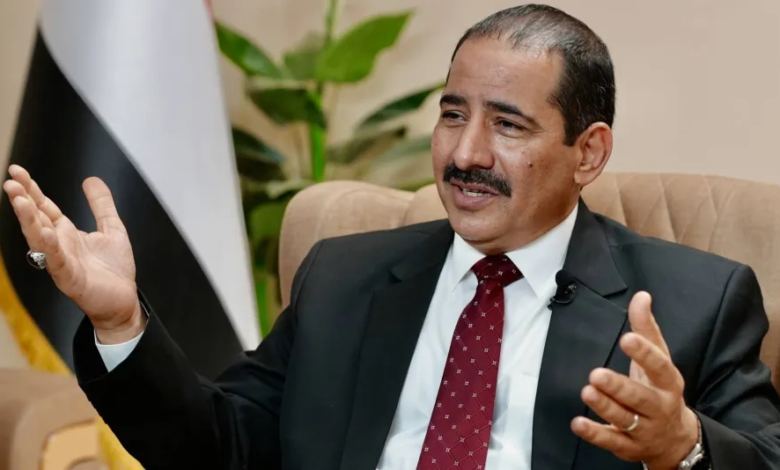

تصريحات وزير الداخلية اليمني حول الوضع الأمني في عدن
في تطور أمني لافت، أكد وزير الداخلية اليمني أن خلايا الاغتيالات التي تنشط في العاصمة المؤقتة عدن تتلقى تمويلاً خارجياً، مشيراً إلى أن الهدف الرئيسي لهذه الخلايا هو إفشال مؤسسات الدولة وزعزعة الاستقرار. تأتي هذه التصريحات في ظل تحديات أمنية معقدة تواجهها الحكومة اليمنية المعترف بها دولياً في مساعيها لفرض سيادة القانون وتطبيع الأوضاع في المناطق المحررة، ومواجهة المخططات التي تسعى لنشر الفوضى.
السياق التاريخي لظاهرة الاغتيالات في العاصمة المؤقتة
منذ تحرير مدينة عدن في عام 2015 واتخاذها عاصمة مؤقتة للبلاد، شهدت المدينة موجات متتالية من الاغتيالات الممنهجة. استهدفت هذه العمليات شخصيات بارزة شملت ضباطاً في الجيش والأمن، وقيادات سياسية، ورجال دين، وقضاة، وناشطين في المجتمع المدني. استغلت الجماعات المسلحة والخلايا الإرهابية حالة الفراغ الأمني والتباينات السياسية لتنفيذ أجنداتها. وقد شكلت هذه الاغتيالات عائقاً كبيراً أمام جهود الحكومة لبناء نموذج أمني مستقر، حيث تسعى الأطراف المعادية إلى تصوير الدولة بمظهر العاجز عن حماية مواطنيها وكوادرها، مما يسهل تمرير مشاريع التقسيم وإضعاف الجبهة الداخلية.
التأثيرات المحلية والإقليمية للتدخلات الخارجية
إن تأكيد وزير الداخلية على وجود تمويل خارجي يسلط الضوء على البعد الإقليمي للأزمة اليمنية، حيث تُستخدم هذه الخلايا كأدوات في حرب بالوكالة لعرقلة مسار التعافي وتدمير البنية التحتية الأمنية. على الصعيد المحلي، تؤدي هذه العمليات إلى نشر الرعب بين المواطنين، وتدفع بالكفاءات والكوادر الوطنية إلى الهجرة أو الانعزال، مما يضعف من قدرة مؤسسات الدولة على تقديم الخدمات الأساسية. أما على الصعيد الإقليمي، فإن استمرار الانفلات الأمني في عدن يهدد استقرار المناطق المجاورة، ويشكل تحدياً مباشراً لجهود التحالف العربي الرامية إلى توحيد الصف اليمني وتنفيذ بنود اتفاق الرياض الذي ينص على توحيد التشكيلات العسكرية والأمنية تحت مظلة وزارتي الدفاع والداخلية.
جهود توحيد المؤسسة الأمنية والموقف الدولي
دولياً، ينظر المجتمع الدولي والأمم المتحدة بقلق بالغ إلى استمرار نشاط خلايا الاغتيالات في عدن، باعتبارها تقوض جهود السلام الشامل في اليمن. وتؤكد التقارير الأممية مراراً على ضرورة دعم الحكومة اليمنية لتمكينها من بسط نفوذها ومكافحة الإرهاب. في هذا السياق، تبرز أهمية تصريحات وزير الداخلية اليمني كدعوة صريحة لتوحيد كافة الأجهزة الأمنية وتفعيل غرفة عمليات مشتركة قادرة على تتبع هذه الخلايا وتجفيف منابع تمويلها. إن نجاح الدولة في القضاء على خلايا الاغتيالات في عدن لن يكون مجرد انتصار أمني محلي، بل هو خطوة حاسمة نحو استعادة ثقة المجتمع الدولي والمواطن اليمني في قدرة الحكومة على إدارة المرحلة الانتقالية وتحقيق السلام المستدام.