Trump: Iran's economy is in disaster and sanctions are costing it $500 million

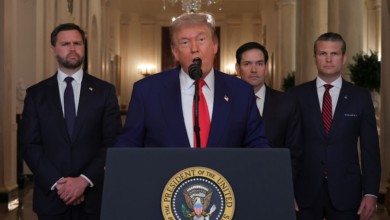
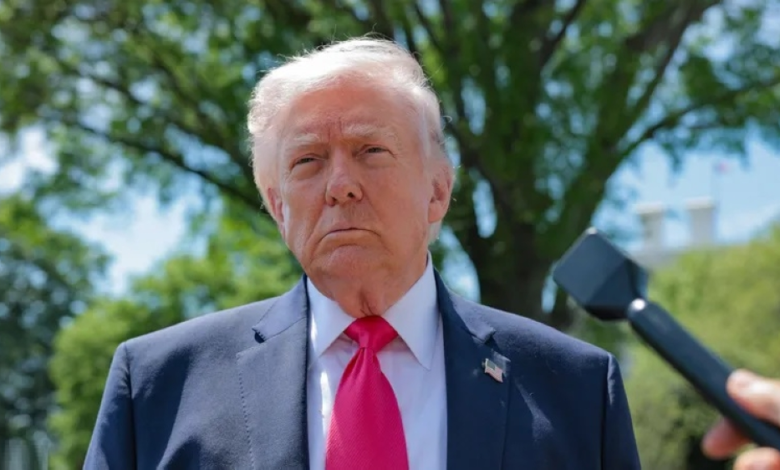
Former US President Donald Trump asserted that Iran is facing an “economic catastrophe” and incurring daily losses estimated at $500 million, in remarks reflecting his administration’s “maximum pressure” policy against Tehran. Trump indicated that the United States maintains complete control over the Strait of Hormuz, the strategic waterway, and prevents any ship from reaching Iranian ports, highlighting the severe impact of economic sanctions.
Background to the tension and maximum pressure policy
These statements stem from the Trump administration’s decision in May 2018 to unilaterally withdraw from the Iran nuclear deal, formally known as the Joint Comprehensive Plan of Action (JCPOA), which was signed in 2015. The agreement aimed to curb Iran’s nuclear program in exchange for lifting international sanctions. Following the withdrawal, Washington reimposed harsh and comprehensive sanctions on vital sectors of the Iranian economy, primarily the oil and banking sectors, with the goal of forcing Tehran back to the negotiating table to reach a new agreement that would address its missile program and regional policies.
The economic and geopolitical impact of sanctions
US sanctions have had a profound impact on the Iranian economy. They have led to a sharp decline in the value of the local currency (the rial), soaring inflation, and a dramatic drop in Iranian oil exports from over 2.5 million barrels per day to negligible levels, depriving the regime of its main source of income. Trump’s statements about daily losses, while estimated, reflect this harsh economic reality imposed by the maximum pressure campaign. Geopolitically, this policy has escalated tensions in the Persian Gulf region, with the Strait of Hormuz, through which a fifth of the world’s oil consumption passes, witnessing frequent security incidents targeting oil tankers, raising fears of a military confrontation.
Criticism of the previous administration and the future of negotiations
In his remarks, Trump did not shy away from criticizing the administration of former President Barack Obama, accusing it of providing “billions of dollars” to Iran, referring to the frozen Iranian funds released under the nuclear agreement. Trump claimed that these funds were used to support destabilizing activities. Despite his harsh tone, Trump left the door open for negotiations, indicating his willingness to extend the ceasefire to allow more time for diplomacy, but he emphasized that the economic blockade on Iranian ports would remain in place to ensure continued pressure on Tehran.