The Jeddah Gulf summit will discuss Iranian escalation and maritime security

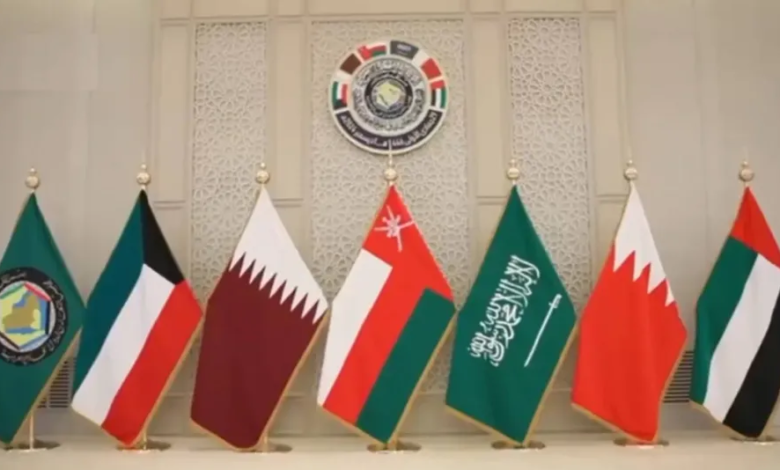
In a move reflecting the escalating tensions in the Arabian Gulf region, the Saudi city of Jeddah hosted an extraordinary consultative Gulf summit, bringing together the leaders of the Gulf Cooperation Council (GCC) countries to discuss recent security threats, most notably the Iranian escalation and its impact on international navigation security in vital waterways.
General context and historical background of the event
This emergency summit comes in the wake of a series of alarming incidents that have raised regional and international concerns. Following the United States' withdrawal from the Iran nuclear deal in 2018 and the reimposition of economic sanctions, the region has witnessed a period of heightened tensions. The situation escalated dangerously with sabotage attacks targeting four commercial vessels, including two Saudi oil tankers, off the coast of the United Arab Emirates near the port of Fujairah. These were soon followed by attacks using explosive-laden drones, claimed by the Houthi rebels in Yemen, targeting two pumping stations on a major east-west oil pipeline in Saudi Arabia. These attacks, which targeted the lifeblood of the global economy—energy supplies—have prompted the Gulf states to take urgent action to coordinate their positions.
The importance of the summit and its expected impact
The summit holds immense strategic importance on several levels. At the local and Gulf levels, it aims to forge a unified and firm Gulf stance, sending a clear message that the security of the GCC states is indivisible, and that any attack on one is an attack on all. Furthermore, the leaders seek to enhance joint security and military coordination to deter any future threats and protect vital installations and infrastructure.
At the regional and international levels, the summit's outcomes are being closely monitored by global powers. The stability of the Gulf region and the security of its waterways, particularly the Strait of Hormuz through which nearly a third of the world's seaborne oil passes, is a matter of paramount international security. The summit is expected to emphasize the need for the international community to uphold its responsibilities in protecting freedom of navigation and preventing Iran from destabilizing the region. Furthermore, a unified Gulf stance strengthens their negotiating position in international forums and exerts diplomatic pressure to find solutions that de-escalate tensions and spare the region the devastating consequences of a war that could impact the entire global economy.