Gulf states insist on participating in any security agreement to ensure the stability of the region

A firm Gulf commitment to participating in any regional or international security agreement
The Gulf Cooperation Council (GCC) states consistently reaffirm their firm and unwavering position on the necessity of active participation in any security agreement or international negotiations concerning the security and stability of the Middle East region. This Gulf commitment stems from a deep understanding that the region's security is indivisible, and that any security arrangements that disregard the interests and concerns of neighboring countries are doomed to failure and unsustainability.
General context and historical background
This firm stance stems from past experiences, specifically the regional nuclear agreement concluded in 2015. At that time, the Gulf Cooperation Council (GCC) states were excluded from the negotiating table, resulting in an agreement focused solely on the nuclear program and ignoring vital issues directly impacting Gulf national security, such as ballistic missile programs and interference in the internal affairs of regional states. Subsequent developments have demonstrated that exacerbating regional tensions rather than resolving them has led Gulf capitals to adopt a clear diplomatic strategy demanding their participation in any future dialogues.
The importance of Gulf participation and its expected impact
Local and regional impact
At both the local and regional levels, Gulf participation in any security agreement represents a genuine guarantee for addressing the root causes of conflicts. The Gulf states possess a comprehensive vision for regional security based on the principles of good neighborliness, respect for state sovereignty, and rejection of support for armed militias. Involving these countries ensures the formulation of realistic provisions that meet the region's security needs and contribute to transforming the Middle East from a hotbed of tension into an oasis of stability and economic development. Furthermore, joint security coordination enhances the region's ability to confront emerging challenges such as terrorism, maritime security, and cybersecurity.
International impact and global security
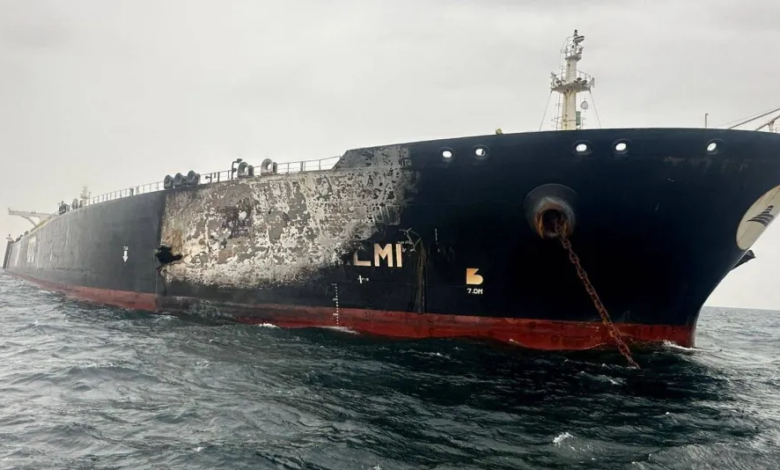
Internationally, the security of the Arabian Gulf is inextricably linked to global peace and security. The region encompasses vital strategic waterways, such as the Strait of Hormuz and the Bab el-Mandeb Strait, through which a significant portion of the world's energy supply passes. Consequently, any security threat in this region has immediate repercussions for the global economy and energy markets. Therefore, major powers, including the United States and European nations, recognize that the inclusion of the Gulf Cooperation Council (GCC) states in any future security agreements is not merely a regional demand, but an international strategic imperative to ensure stable energy prices and safeguard global trade routes.
Towards a comprehensive security approach
Amidst rapidly evolving geopolitical landscape, Gulf diplomacy has demonstrated its resilience and adaptability while maintaining its core security principles. This has been evident in recent diplomatic initiatives and bilateral agreements aimed at resolving regional conflicts. However, the fundamental principle remains: a sustainable security future in the Middle East cannot be forged without the Gulf states being key partners in shaping that future. The Gulf's commitment to participating in any security agreement reflects political maturity and a strategic vision aimed at establishing a just and comprehensive peace that serves the peoples of the region and the world at large.