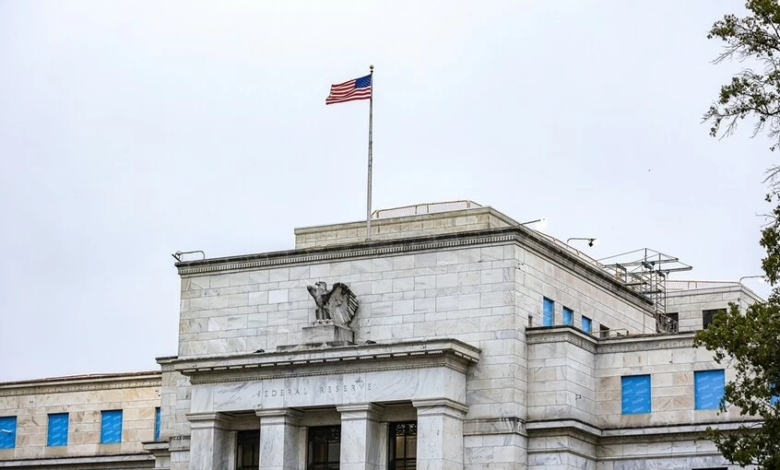

أصدر مجلس الاحتياطي الفيدرالي الأمريكي (البنك المركزي) تقريره نصف السنوي للاستقرار المالي، موجهاً تحذيراً قوياً من أن اندلاع صراع واسع النطاق في الشرق الأوسط، خاصة إذا شمل إيران، يتصدر قائمة المخاطر التي تهدد استقرار النظام المالي العالمي. وأوضح التقرير أن التداعيات المحتملة لمثل هذا الصراع، وما قد يسببه من صدمة حادة في أسعار النفط العالمية واضطراب في إمدادات الطاقة، تمثل أكبر مبعث قلق للمشاركين في الأسواق المالية والمحللين الاقتصاديين.
وخلص التقرير، الذي صدر يوم الجمعة، إلى أن المخاطر الجيوسياسية، وتحديداً تلك المرتبطة بالتوترات في الشرق الأوسط، قد طغت على مخاوف أخرى كانت سائدة في السابق. ففي استطلاع للرأي شمل خبراء ماليين، برزت احتمالية حدوث صدمة في أسعار النفط كأكبر خطر يواجه الاستقرار المالي، متجاوزة بذلك مخاوف أخرى مثل التطورات السريعة في الذكاء الاصطناعي ومخاطر الائتمان الخاص. وحذر التقرير بشكل خاص من أن استمرار الصراع وتوسعه قد يؤدي إلى تفاقم الضغوط التضخمية عالمياً، وفي الوقت نفسه يتسبب في تباطؤ النمو الاقتصادي في الولايات المتحدة ودول أخرى، مما يضع البنوك المركزية في موقف صعب.
السياق التاريخي وأهمية المنطقة استراتيجياً
تأتي هذه التحذيرات في ظل خلفية تاريخية من التوترات المستمرة بين إيران والقوى الغربية، وعلى رأسها الولايات المتحدة. تمثل منطقة الخليج العربي شرياناً حيوياً للاقتصاد العالمي، حيث يمر عبر مضيق هرمز، الذي تطل عليه إيران، ما يقرب من خُمس إجمالي استهلاك النفط العالمي. أي اضطراب في هذا الممر المائي الاستراتيجي يمكن أن يؤدي إلى نقص فوري في المعروض العالمي من النفط، مما يدفع الأسعار إلى الارتفاع بشكل كبير، كما حدث في أزمات سابقة مثل حرب الخليج في التسعينيات.
التأثير المتوقع على الاقتصاد العالمي
إن التأثير الاقتصادي المحتمل لن يقتصر على ارتفاع أسعار الوقود للمستهلكين. فالصدمة في أسعار النفط ستؤدي إلى زيادة تكاليف الإنتاج والنقل للشركات في جميع أنحاء العالم، من المصانع في الصين إلى المزارعين في أوروبا. هذه التكاليف المرتفعة ستنتقل حتماً إلى المستهلكين في شكل أسعار أعلى للسلع والخدمات، مما يغذي موجة جديدة من التضخم العالمي الذي تكافح البنوك المركزية لاحتوائه بالفعل. علاوة على ذلك، فإن تباطؤ النمو الاقتصادي المصاحب لارتفاع التضخم (ما يعرف بالركود التضخمي) يعتبر من أسوأ السيناريوهات الاقتصادية، حيث يقلص القوة الشرائية للأفراد ويضعف أرباح الشركات، وقد يدفع الاقتصادات الكبرى نحو الركود.
لذلك، يمثل تقرير الفيدرالي الأمريكي تذكيراً بأن الاستقرار الجيوسياسي في الشرق الأوسط ليس مجرد قضية إقليمية، بل هو عنصر أساسي في الحفاظ على صحة واستقرار الاقتصاد العالمي. وتؤكد هذه المخاطر على مدى ترابط الأسواق العالمية، وكيف يمكن لحدث في جزء واحد من العالم أن يطلق موجات صادمة تؤثر على الاقتصادات والمجتمعات في كل مكان.