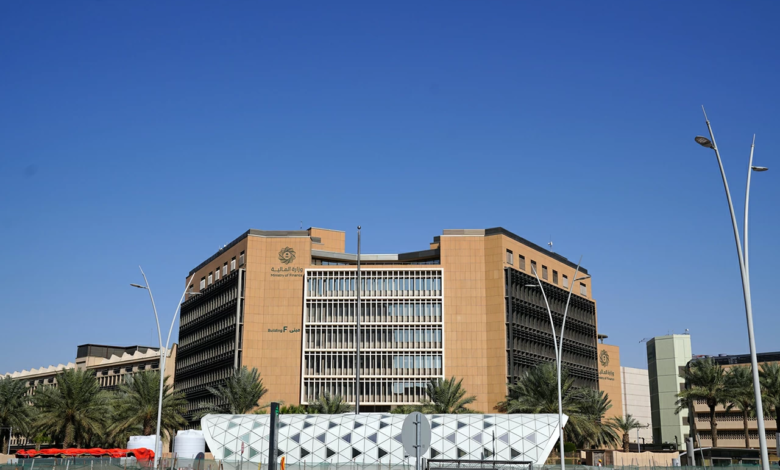
Saudi Arabia regulates the imposition of government fees through the Non-Oil Revenue Center

In a significant regulatory step aimed at enhancing financial sustainability and diversifying revenue sources, the Saudi Arabian Non-Oil Revenue Center has unveiled a new mechanism to regulate the imposition of fees, charges, and taxes by government entities. Under the new regulations, any request to impose, amend, or cancel any fees or charges must be reviewed and studied by the Center before the necessary procedures for their implementation can be completed.
The general context within Vision 2030
The establishment of this center is a cornerstone of achieving the goals of Saudi Vision 2030, launched in 2016 with the aim of building a prosperous and sustainable economy that is not primarily dependent on oil revenues. Since the Vision's launch, the Kingdom has taken significant steps to diversify its economy, including implementing value-added tax (VAT) and excise tax, and developing new sectors such as tourism, entertainment, and technology. This new regulation complements these efforts, providing a clear institutional and governance framework to ensure that any new financial burdens are carefully considered and serve the Kingdom's overall economic and developmental objectives.
Main goals and tasks of the center
The organization's primary objective is to support the achievement of non-oil revenue targets, thereby ensuring economic balance and long-term financial sustainability. To achieve this, the center will undertake several key tasks, most notably:
- Supporting government agencies in studying any proposal related to imposing a new tax before submitting it to complete the regulatory procedures.
- Participating in the study and evaluation of contracts that involve collecting money in exchange for providing government services.
- Implementing unified initiatives, models and methodologies across government agencies, while taking into account other developmental goals related to policies and regulations.
- Full coordination with all parties to provide the center with information and data related to the fees, charges, and financial interviews they impose.
Importance and expected impact
Domestically, this decision is expected to contribute to a more stable and transparent investment environment, providing investors and the private sector with greater clarity regarding future government fiscal policies. It also enhances the efficiency of government revenue collection and ensures that no arbitrary fees are imposed that could negatively impact the economy's competitiveness. Internationally, this step strengthens the confidence of international financial institutions and credit rating agencies in the Kingdom's seriousness and commitment to fiscal and economic reforms, potentially attracting more foreign direct investment and bolstering the Saudi economy's position as one of the largest in the region and the world.
Center structure and governance
The center enjoys public legal personality and financial and administrative independence, and is organizationally linked to the Minister of Finance. It is governed by a board of directors chaired by the Minister of Finance, with the Minister of Economy and Planning, the Secretary of the Strategic Committee of the Council of Economic and Development Affairs, the Secretary of the Finance Committee of the Royal Court, and the center's Chief Executive Officer as members. All the center's revenues are deposited into the unified treasury account at the Saudi Central Bank, ensuring the highest levels of governance and financial transparency.