
Details of an armed attack in Nigeria: casualties among security forces and civilians
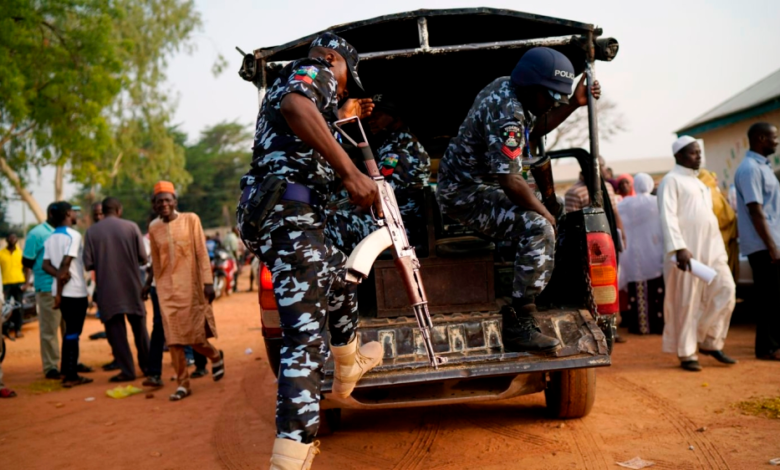
In a serious escalation of violence, Nigerian security sources reported an armed attack in Nigeria that left 13 people dead, a tragic toll reflecting the scale of the country's security challenges. According to field reports, the victims included 11 soldiers, one police officer, and one civilian. This deadly incident occurred following a well-planned ambush by armed terrorists in northwestern Nigeria.
Reports indicate that the attack occurred Tuesday evening when a Nigerian army patrol was conducting routine duties near its base in the Shanga area of the state. Suspicion strongly points to the involvement of armed elements suspected of belonging to the Lakurao terrorist group, which has recently become noticeably more active.
Who are the “Lacourau” group? (Historical and security context)
The Lakurawa group is one of the armed groups that has recently emerged in the complex security landscape of northwestern Nigeria, specifically in Sokoto and Kebbi states. Historically, this group has exploited the security vacuum and porous border between Nigeria and neighboring Niger. It comprises both local and foreign fighters influenced by the extremist ideologies sweeping the Sahel region of Africa. The group has capitalized on recent political tensions in Niger and the decline in regional security cooperation to expand its influence, imposing illegal taxes on herders and farmers and carrying out armed attacks against government forces to consolidate its control.
The security crisis in northwest Nigeria: dimensions and background
This attack cannot be separated from the broader context of the crisis that has plagued northwestern Nigeria for years. The region suffers from a complex interplay between terrorism and organized crime gangs (known locally as bandits). These gangs carry out mass kidnappings for ransom, loot villages, and steal cattle. As military pressure intensifies on groups like Boko Haram and the Islamic State West Africa Province (ISWAP) in the northeast, some of these elements have begun to infiltrate the northwest, forming dangerous tactical alliances with local gangs and groups like the Lakurao, further complicating the security landscape.
The importance of the event and its expected impact
Local impact
Domestically, any continued armed attack in Nigeria exacerbates the humanitarian crisis. Hundreds of thousands of civilians have been forced to flee their homes, resulting in a severe internal displacement crisis. Furthermore, the targeting of security forces in the Shanga region aims to undermine the authority of the state and terrorize the population, negatively impacting agricultural activity, the backbone of the region's economy, and threatening an imminent food security crisis.
Regional and international impact
Regionally, this attack raises the risk of violence spilling across borders, posing unprecedented security challenges to the Economic Community of West African States (ECOWAS), particularly given the deteriorating security situation in the Sahel region (Mali, Burkina Faso, and Niger). Internationally, the international community is watching with grave concern as northwestern Nigeria becomes a new epicenter of global terrorism, potentially threatening economic interests and foreign investment in Africa's largest economy, and necessitating broader international support to bolster the Nigerian military's counterterrorism capabilities.