
مقدمة: تصاعد المخاوف من انهيار الاقتصاد اليمني
يعيش الشارع اليمني حالة من القلق المتزايد والترقب الحذر خوفاً من تعرض البلاد لصدمات اقتصادية جديدة وعنيفة، وذلك على خلفية اتساع رقعة الحرب الإقليمية وتصاعد التوترات في منطقة الشرق الأوسط، وتحديداً في البحر الأحمر ومضيق باب المندب. إن تداعيات هذه الأزمة لا تقتصر على الجوانب السياسية والأمنية فحسب، بل تمتد لتشكل تهديداً مباشراً لأساسات الاقتصاد اليمني الهش الذي يعاني أصلاً من تبعات صراع داخلي مستمر منذ نحو عقد من الزمان.
الخلفية التاريخية: اقتصاد منهك قبل بدء الأزمة الإقليمية
لفهم حجم الكارثة المتوقعة، يجب النظر إلى السياق العام والخلفية التاريخية للاقتصاد اليمني. منذ اندلاع النزاع المسلح في اليمن أواخر عام 2014، تعرضت البنية التحتية الاقتصادية لدمار واسع. انقسمت المؤسسات المالية، وعلى رأسها البنك المركزي، وتهاوت قيمة الريال اليمني إلى مستويات قياسية، مما أدى إلى تآكل القدرة الشرائية للمواطنين. يعتمد اليمن على الاستيراد لتغطية أكثر من 90% من احتياجاته الأساسية من الغذاء والدواء، مما يجعله شديد الحساسية تجاه أي اضطرابات في سلاسل التوريد العالمية أو الإقليمية.
تأثير الحرب الإقليمية وأزمة البحر الأحمر على سلاسل الإمداد
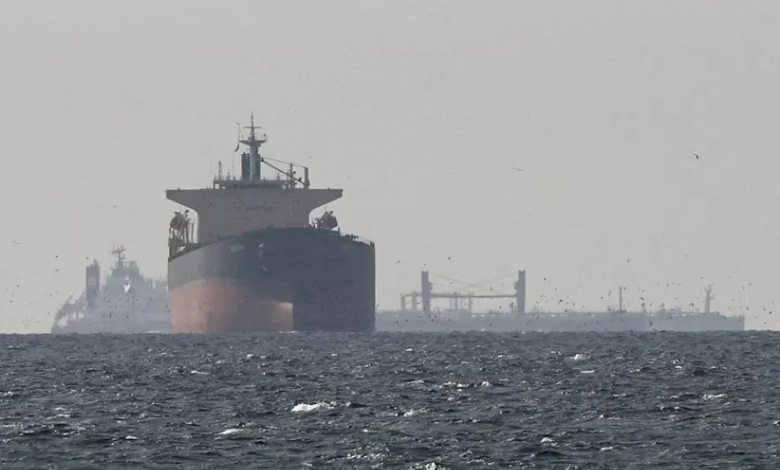
مع اندلاع الحرب الإقليمية الأخيرة وتصاعد العمليات العسكرية في البحر الأحمر، ارتفعت رسوم التأمين على السفن التجارية المتجهة إلى الموانئ اليمنية بشكل غير مسبوق. هذا الارتفاع الجنوني في تكاليف الشحن البحري ينعكس مباشرة على أسعار السلع الأساسية في الأسواق المحلية. التجار والمستوردون يجدون أنفسهم مضطرين لتحميل هذه التكاليف الإضافية على كاهل المستهلك اليمني، الذي يعاني في الأساس من معدلات فقر وبطالة مرتفعة جداً وانقطاع مستمر للرواتب.
التداعيات المتوقعة: محلياً وإقليمياً ودولياً
على المستوى المحلي، يحذر الخبراء الاقتصاديون من أن استمرار هذه التوترات سيؤدي إلى موجة تضخم جديدة، ونقص حاد في السلع الأساسية، مما يهدد بتفاقم أزمة الأمن الغذائي ودفع ملايين اليمنيين نحو حافة المجاعة. كما أن تراجع قيمة العملة الوطنية قد يتسارع نتيجة شح النقد الأجنبي وتراجع التحويلات المالية.
أما على المستوى الإقليمي ودولياً، فإن تعطل الملاحة في البحر الأحمر يؤثر على حركة التجارة العالمية المارة عبر قناة السويس، مما يرفع تكاليف الطاقة والسلع عالمياً. ومع ذلك، يظل اليمن الحلقة الأضعف والأكثر تضرراً. علاوة على ذلك، هناك مخاوف حقيقية من تراجع حجم المساعدات الإنسانية الدولية المقدمة لليمن، حيث قد تتوجه أنظار وموارد المجتمع الدولي نحو بؤر صراع أخرى في المنطقة، مما يترك ملايين اليمنيين يواجهون مصيرهم المجهول دون غطاء إغاثي كافٍ.
خلاصة: الحاجة الماسة لتدخل دولي عاجل
في الختام، يتضح أن القلق اليمني من الصدمات الاقتصادية الناجمة عن الحرب الإقليمية مبرر تماماً ويستند إلى معطيات واقعية خطيرة. يتطلب الوضع الراهن تدخلاً عاجلاً من قبل المجتمع الدولي والمنظمات الأممية لتقديم حزم دعم اقتصادي طارئة، وتسهيل تدفق السلع الأساسية والمساعدات الإنسانية، لتجنيب اليمن كارثة اقتصادية وإنسانية قد تكون الأسوأ في تاريخه الحديث.