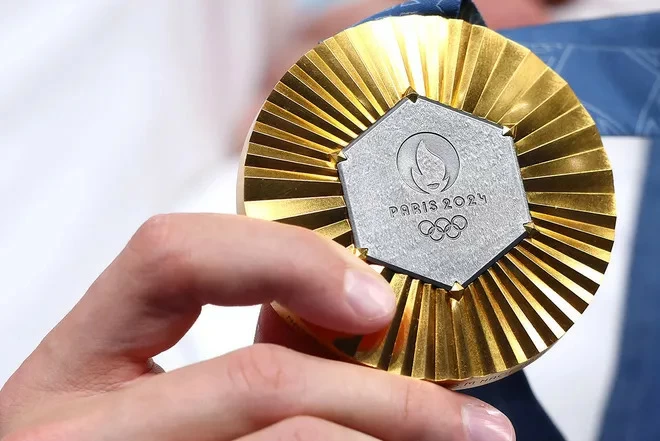

Paris 2024 Olympic souvenirs scandal sparks controversy
The sale of memorabilia and souvenirs related to the Paris 2024 Olympic and Paralympic Games has sparked widespread controversy and a storm of criticism in French sporting and media circles. The crisis erupted after investigative reports, most notably one published by the renowned French newspaper L'Équipe, revealed the involvement of a high-ranking sports official in reselling rare items believed to have been acquired through his position and work within the Olympic system.
Details of the items offered for sale
According to reports, suspicion has fallen on Stéphane Hato, president of the French Weightlifting Federation and vice-president of the French National Olympic and Sports Committee. Hato is suspected of offering several official Games memorabilia items for sale online under a pseudonym. Investigations indicate that he acquired these items during the Olympic Games, either free of charge as part of the protocol or for very nominal prices.
The exhibits included items of symbolic and historical significance, such as costumes used in the French-themed performances during the spectacular opening ceremony. Also featured were a rare hat presented exclusively to Paralympic gold medalists, a luxury medal box, and a chair used in basketball. These items were offered at exorbitant prices, in some cases reaching nearly €1,000 each.
Reactions: The defendant's defense and the Olympic Committee's investigations
Faced with these accusations, Stéphane Hato was quick to deny any intention of making illicit financial gain. According to French media reports, Hato asserted that his activity stemmed solely from his personal interest in collecting sports memorabilia, stating that he possessed a wide array of items related to the history of the Olympic Games with the aim of "preserving sporting memory.".
For its part, the French National Olympic and Sports Committee (CNOSF) moved to contain the crisis, officially announcing that it had no prior knowledge of these events. The committee confirmed it had launched an urgent and thorough internal investigation to determine the circumstances of what happened and to ascertain whether there were any breaches of good governance rules or potential conflicts of interest within its administrative structures.
General context: The Olympic souvenir market and Paris 2024 initiatives
Historically, Olympic memorabilia has been a huge market, attracting collectors from around the world, with items gaining value from their rarity and connection to historical moments. However, what makes this issue particularly sensitive is the context in which the Paris 2024 Games were organized. The organizing committee placed unprecedented emphasis on sustainability and the circular economy, launching official initiatives such as the “Games Markets” (Braderies des Jeux) across France to sell memorabilia, such as towels, flags, and volunteer uniforms, at nominal prices to the public, with the proceeds going to charitable and organizational purposes. This official approach stands in stark contrast to the individualistic and secretive nature of the sales conducted by a high-ranking official for personal gain.
The impact of the crisis on the sports scene, both locally and internationally
This affair has significant repercussions both domestically and internationally. Domestically, the scandal undermines the credibility of French sports institutions at a time when the country is still celebrating the outstanding organizational success of the Paris 2024 Olympics. The involvement of a figure as prominent as the vice president of the French Olympic Committee raises serious questions about the standards of integrity and transparency in the management of resources and protocol assets.
At the international level, the Olympic Movement places ethics and governance at the heart of its principles. Such incidents may prompt the International Olympic Committee (IOC) and other National Olympic Committees to impose stricter protocols on how official gifts and collectibles are distributed and tracked, drawing a clear line between legitimate acquisition for the purpose of honoring and personal use of items of a sensitive institutional and symbolic nature.