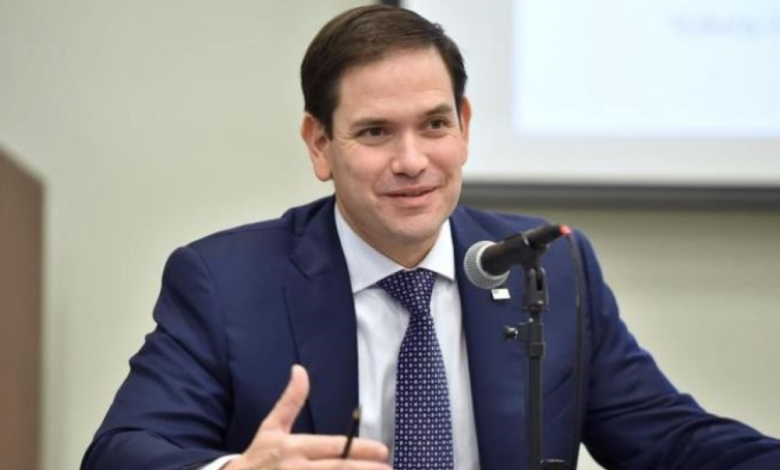

أكد السيناتور الأمريكي البارز ماركو روبيو أن حل الأزمة المتصاعدة في مضيق هرمز يصب في مصلحة الصين بشكل مباشر، داعياً بكين إلى لعب دور أكثر فاعلية للضغط على إيران ودفعها إلى التراجع عن سلوكها المزعزع للاستقرار في منطقة الشرق الأوسط. وتأتي هذه التصريحات في ظل توترات جيوسياسية متزايدة تهدد أحد أهم الممرات المائية في العالم.
خلفية التوتر وأهمية مضيق هرمز الاستراتيجية
يُعد مضيق هرمز نقطة الاختناق البحرية الأهم عالمياً لتجارة النفط، حيث يمر عبره ما يقارب خُمس استهلاك النفط العالمي يومياً. تاريخياً، شهد المضيق توترات متكررة، خاصة في فترات الخلاف بين إيران والدول الغربية. وقد تصاعدت الأزمة بشكل ملحوظ بعد انسحاب الولايات المتحدة من الاتفاق النووي الإيراني (خطة العمل الشاملة المشتركة) في عام 2018، وإعادة فرضها عقوبات اقتصادية قاسية على طهران ضمن سياسة “الضغط الأقصى”. ورداً على ذلك، هددت إيران مراراً بإغلاق المضيق، ونُسبت إليها هجمات استهدفت ناقلات نفط في المنطقة، مما أثار قلقاً دولياً واسعاً بشأن أمن إمدادات الطاقة العالمية.
الدور الصيني والمصالح الاقتصادية
في هذا السياق، تبرز دعوة روبيو للصين كجزء من استراتيجية أمريكية تهدف إلى حث القوى الدولية الكبرى على تحمل مسؤولياتها في الحفاظ على الأمن العالمي. فالصين، باعتبارها أكبر مستورد للنفط في العالم، تعتمد بشكل كبير على التدفق الآمن والمستمر للنفط الخام من منطقة الخليج. أي اضطراب في مضيق هرمز لن يؤدي فقط إلى ارتفاع هائل في أسعار النفط العالمية، بل سيهدد بشكل مباشر أمن الطاقة الصيني ويعرقل نموها الاقتصادي. لذلك، يرى روبيو أن لدى بكين مصلحة حيوية في استخدام نفوذها الاقتصادي والدبلوماسي الكبير على طهران لتهدئة الموقف وضمان حرية الملاحة.
تأثيرات الأزمة على الصعيدين الإقليمي والدولي
إن استمرار التوتر في مضيق هرمز لا يقتصر تأثيره على الولايات المتحدة وإيران والصين فقط، بل يمتد ليشمل المنطقة بأكملها والمجتمع الدولي. دول الخليج العربية، التي تعتمد اقتصاداتها بشكل أساسي على تصدير النفط عبر هذا الممر، تنظر بقلق بالغ إلى التهديدات الإيرانية. وعلى الصعيد الدولي، فإن أي تصعيد عسكري في المنطقة قد يؤدي إلى صراع أوسع نطاقاً يصعب احتواؤه، مما يترتب عليه عواقب وخيمة على الاقتصاد العالمي والسلام الدولي. وأضاف روبيو أن الصين تمثل “التحدي الجيوسياسي الأكبر الذي نواجهه”، مشدداً على ضرورة أن تدير الولايات المتحدة علاقتها المعقدة مع بكين بشكل استراتيجي.
جهود الوساطة الإقليمية
في سياق متصل بالجهود الدبلوماسية، دعت الصين في وقت سابق باكستان إلى تكثيف جهود الوساطة بين إيران والولايات المتحدة للمساعدة في نزع فتيل الأزمة. وجاء ذلك خلال اتصال هاتفي بين وزيري خارجية البلدين، حيث أكدت بكين دعمها للمساعي الباكستانية. وأكدت وزارة الخارجية الباكستانية في بيان لها على أهمية الحفاظ على وقف إطلاق النار وضمان استمرار الملاحة بشكل طبيعي عبر مضيق هرمز، مما يعكس حجم القلق الإقليمي من تداعيات الأزمة.