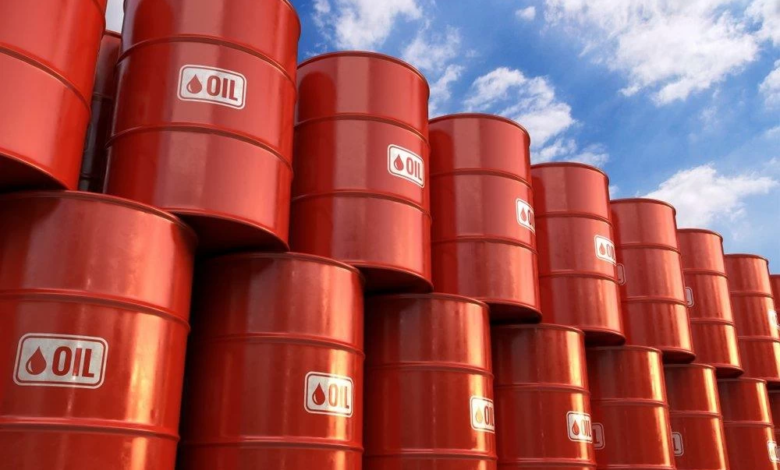

Global oil prices surged again, extending their multi-day winning streak, with Brent crude futures approaching $115 a barrel. This rise comes as markets react to a range of geopolitical factors raising serious concerns about the stability of global energy supplies, most notably reports indicating the United States' intention to tighten its grip on Iranian ports, as well as uncertainty surrounding the future of the OPEC+ alliance.
According to the latest trading data, Brent crude futures for June delivery rose 2.98%, or $3.31, to $114.60 a barrel, marking their seventh consecutive session of gains. Meanwhile, West Texas Intermediate (WTI) crude futures for June delivery climbed 3.39%, or $3.39, to $103.30 a barrel, posting gains in seven of the last eight trading sessions.
General context and historical background of the tensions
The roots of the current tensions lie in the policies adopted by the previous US administration under President Donald Trump, namely the “maximum pressure” campaign against Iran. The Wall Street Journal, citing US officials, reported that President Trump instructed his aides to prepare for a prolonged blockade of Iranian ports. Such a measure, if implemented, would represent a significant escalation that could disrupt a large portion of oil supplies from the Middle East, a vital artery for the global energy market, thus explaining the immediate market reaction.
The importance of the event and its expected impact
Any disruption to supplies from the Arabian Gulf region would have far-reaching global repercussions. Internationally, higher oil prices would exacerbate inflationary pressures in major energy-importing economies, placing central banks in a difficult position between combating inflation and supporting economic growth. Regionally, while oil-producing countries would benefit from increased revenues, heightened geopolitical tensions would threaten the stability of the entire region.
Adding to these concerns, the market is assessing news regarding the United Arab Emirates' potential decision to withdraw from OPEC and the OPEC+ alliance. Such a decision, if it were to occur, would weaken the alliance's ability to manage production in a coordinated manner, potentially opening the door to increased supply in the future and exacerbating long-term price volatility. Currently, concerns about supply shortages remain the primary driver of prices, prompting investors to price in an increased geopolitical risk premium in the oil markets.