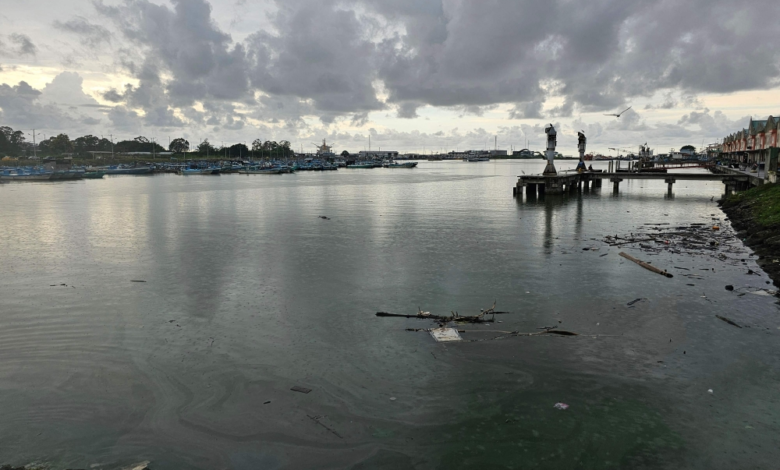

أعلنت الحكومة الفنزويلية عن قلقها البالغ إزاء تسرب نفطي جديد مصدره جمهورية ترينيداد وتوباغو المجاورة، محذرة من “عواقب بيئية خطيرة” قد تطال سواحلها ونظمها البيئية الحساسة. ويأتي هذا الحادث ليزيد من حدة التوترات القائمة بالفعل بين البلدين الجارين، واللذين يتشاركان حدوداً بحرية غنية بالموارد الهيدروكربونية.
وفي بيان رسمي، وجهت نائبة الرئيس الفنزويلي، ديلسي رودريغيز، تعليمات لوزارة الخارجية بمطالبة حكومة ترينيداد وتوباغو بتقديم معلومات مفصلة وفورية حول الحادث. وشددت فنزويلا على ضرورة تفعيل خطة طوارئ عاجلة لاحتواء التسرب والحد من انتشاره، وذلك لتجنب وقوع كارثة بيئية في مياه البحر الكاريبي.
خلفية من التوترات والتحديات البيئية
تأتي هذه الأزمة البيئية في سياق علاقات معقدة بين كاراكاس وبورت أوف سبين. فإلى جانب الخلافات السياسية، شكلت أزمة الهجرة الفنزويلية ضغطاً كبيراً على ترينيداد وتوباغو، كما أن التنسيق الأمني بين الأخيرة والولايات المتحدة أثار حفيظة حكومة الرئيس نيكولاس مادورو. هذا التسرب ليس الأول من نوعه، ففي فبراير 2024، امتدت بقعة نفطية ضخمة إلى المياه الإقليمية الفنزويلية بعد غرق ناقلة نفط في مياه ترينيداد، مما يسلط الضوء على المخاطر البيئية المستمرة المرتبطة بصناعة النفط والغاز في المنطقة.
الأهمية والتأثيرات المتوقعة
على المستوى المحلي: تشير التحليلات الأولية التي أجرتها السلطات الفنزويلية إلى أن التسرب يمثل “مخاطر جسيمة” على النظم البيئية الساحلية، بما في ذلك غابات المانغروف الحيوية والمناطق الرطبة التي تعد موطناً لتنوع بيولوجي فريد. كما يهدد الحادث بشكل مباشر سبل عيش مجتمعات الصيد المحلية التي تعتمد على الموارد البحرية كمصدر أساسي للدخل والغذاء.
على المستويين الإقليمي والدولي: يبرز هذا الحادث الحاجة الملحة لتعزيز آليات التعاون الإقليمي للاستجابة للكوارث البيئية في منطقة البحر الكاريبي. إن عدم احتواء التسرب بشكل فعال قد يؤدي إلى انتشاره وتأثيره على دول أخرى في المنطقة، مما يحوله إلى أزمة إقليمية. دولياً، يلفت الحادث الانتباه إلى معايير السلامة والمسؤولية البيئية في قطاع الطاقة، ويؤكد على أهمية التزام الدول بالقوانين الدولية لمنع التلوث العابر للحدود وحماية البيئة البحرية المشتركة.