
إعلان رسمي برفع أسعار المحروقات في سوريا
أعلنت الشركة السورية لتخزين وتوزيع المواد البترولية (محروقات) عن تعديل جديد في أسعار المشتقات النفطية، في خطوة تعكس التحديات الاقتصادية المتزايدة التي تواجه البلاد. وأوضحت الشركة في بيانها أن هذا القرار جاء نتيجة لمجموعة من العوامل الاقتصادية والفنية، أبرزها ارتفاع تكاليف التوريد والنقل والإنتاج، بالإضافة إلى التقلبات المستمرة في أسعار النفط العالمية وتكاليف الشحن والتأمين المرتفعة.
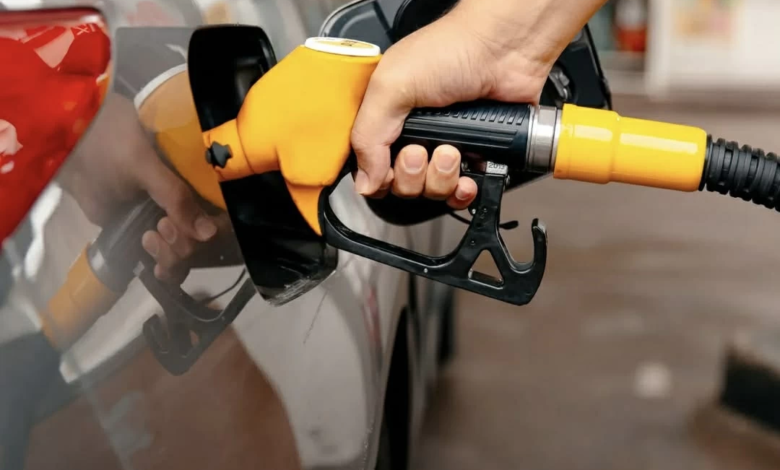
ووفقاً للتسعيرة الجديدة، تم تحديد سعر لتر المازوت “أول” بـ 0.88 دولار، وبنزين أوكتان 90 بـ 1.10 دولار، وبنزين أوكتان 95 بـ 1.15 دولار. كما بلغ سعر أسطوانة الغاز المنزلي 12.50 دولار، والأسطوانة الصناعية 20 دولاراً، مع اعتماد سعر صرف خاص للدولار المستخدم في تسعير المحروقات يبلغ 133 ليرة سورية.
سياق الأزمة: سنوات من التحديات الاقتصادية
لا يمكن فهم هذا القرار بمعزل عن السياق الاقتصادي والتاريخي الذي تمر به سوريا. فالبلاد التي كانت يوماً مُصدّراً للنفط، تحولت على مدى العقد الماضي إلى مستورد صافٍ لتلبية احتياجاتها المحلية. وقد أدى الصراع المستمر منذ عام 2011 إلى تدمير جزء كبير من البنية التحتية لقطاع الطاقة، بما في ذلك حقول النفط ومصافي التكرير، مما قلص الإنتاج المحلي بشكل حاد. يضاف إلى ذلك، العقوبات الاقتصادية الدولية المفروضة على سوريا، والتي تعرقل بشكل كبير عمليات الاستيراد والتحويلات المالية، مما يجعل تأمين المشتقات النفطية عملية معقدة ومكلفة للغاية، وغالباً ما تعتمد على خطوط ائتمان من دول حليفة.
التأثير المتوقع على الاقتصاد والمجتمع
من المتوقع أن يكون لقرار رفع أسعار الوقود تداعيات واسعة ومباشرة على مختلف جوانب الحياة في سوريا. فعلى الصعيد المحلي، سيؤدي هذا الارتفاع إلى زيادة تلقائية في تكاليف النقل والمواصلات، وهو ما سينعكس بدوره على أسعار السلع الغذائية والمنتجات الأساسية كافة. كما ستتأثر القطاعات الإنتاجية، مثل الصناعة والزراعة، التي تعتمد بشكل كبير على المازوت لتشغيل الآلات والمولدات الكهربائية في ظل الانقطاع شبه الدائم للتيار الكهربائي. هذا العبء الإضافي على تكاليف الإنتاج سيُمرر حتماً إلى المستهلك النهائي، مما يزيد من الضغوط التضخمية ويضعف القوة الشرائية للمواطنين التي تآكلت بالفعل بفعل انخفاض قيمة الليرة السورية. وعلى المستوى الاجتماعي، يزيد القرار من الأعباء المعيشية على الأسر السورية التي تكافح لتأمين احتياجاتها اليومية، خاصة في ما يتعلق بتكاليف التدفئة في فصل الشتاء والنقل اليومي.
مبررات الشركة وآليات الضبط
أكدت شركة “محروقات” أن التعديل السعري يهدف إلى ضمان استقرار التوريدات واستمرارية وصول المشتقات النفطية إلى المحافظات، وتجنب حدوث انقطاعات أو اختناقات في السوق. وأشارت إلى أنها تتحمل أعباء تشغيلية ضخمة تتعلق بالنقل والتخزين والصيانة، وأن مراجعة الأسعار بشكل دوري ضرورية للحفاظ على استدامة عملياتها. كما تعمل الشركة، بحسب بيانها، على تحسين آليات التوزيع والرقابة للحد من الهدر وضبط السوق، وضمان وصول المحروقات إلى المواطنين والقطاعات الإنتاجية بشكل منتظم، في محاولة لتحقيق توازن صعب بين التكاليف التشغيلية المرتفعة والقدرة الشرائية المنهكة للمواطنين.