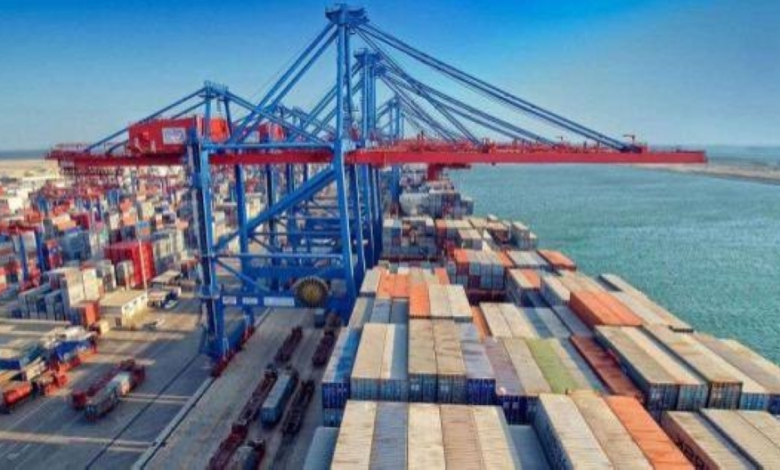

أعلنت الهيئة العامة للموانئ السعودية “مواني”، بالتعاون مع هيئة الزكاة والضريبة والجمارك، عن بدء تطبيق آلية جديدة وموحدة لاحتساب وتحصيل مقابل التخزين “أجور الأرضيات” في ثمانية من الموانئ الرئيسية في المملكة. تأتي هذه الخطوة كجزء من مبادرة “الفوترة الموحدة” التي تهدف إلى تحسين البيئة التشغيلية، وتسريع عمليات الفسح الجمركي، وتعزيز مكانة المملكة كمركز لوجستي عالمي رائد.
خلفية تاريخية وسياق التطوير
تعد هذه المبادرة تحولاً جذرياً عن النظام السابق الذي كان يتسم بتعدد جهات الفوترة والإجراءات المعقدة، مما كان يؤدي في كثير من الأحيان إلى تأخير في تخليص البضائع وزيادة في التكاليف على المستوردين. وفي إطار رؤية المملكة 2030 والاستراتيجية الوطنية للنقل والخدمات اللوجستية، عملت “مواني” و”الزكاة والضريبة والجمارك” على توحيد هذه الإجراءات عبر منصة إلكترونية واحدة، مما يضمن الشفافية والكفاءة ويقلل من الوقت اللازم لبقاء الحاويات في الموانئ.
تشمل الموانئ الثمانية التي ستطبق فيها الآلية الجديدة كلاً من:
- ميناء جدة الإسلامي
- ميناء الملك عبد العزيز بالدمام
- ميناء الملك عبد الله برابغ
- ميناء الجبيل التجاري
- ميناء الجبيل الصناعي
- ميناء ينبع التجاري
- ميناء جازان
- ميناء ضباء
أهمية التنظيم الجديد وتأثيره المتوقع
يحمل التنظيم الجديد في طياته العديد من الفوائد الجوهرية التي ستنعكس إيجاباً على القطاع اللوجستي والاقتصاد الوطني ككل. من المتوقع أن تساهم هذه الآلية في تقليص مدة بقاء الحاويات في الموانئ بشكل كبير، وهو ما يعزز من الطاقة الاستيعابية للموانئ السعودية ويسرّع من وتيرة سلسلة الإمداد.
على الصعيد المحلي: سيستفيد المستوردون والمصدرون من تقليل التكاليف الإجمالية وتسريع دورة رأس المال، حيث تتيح الفاتورة الموحدة سداد جميع الرسوم المستحقة (الجمركية وأجور الموانئ) دفعة واحدة، مما يسهل عملية التخليص الجمركي ويحد من التأخير. هذا بدوره يعزز من تنافسية الشركات السعودية في الأسواق المحلية والدولية.
على الصعيدين الإقليمي والدولي: تعزز هذه الخطوة من جاذبية الموانئ السعودية كنقطة عبور رئيسية للتجارة العالمية بين الشرق والغرب. إن تحسين الكفاءة التشغيلية والشفافية يرفع من تصنيف المملكة في المؤشرات اللوجستية العالمية، مثل مؤشر الأداء اللوجستي (LPI)، ويجعلها وجهة مفضلة لخطوط الشحن العالمية الكبرى، مما يدعم أهداف المملكة في أن تصبح مركزاً لوجستياً عالمياً محورياً يربط القارات الثلاث.