Man arrested for allegedly threatening to kill Trump via Facebook | Details

Details of the arrest of a man accused of threatening to kill Trump
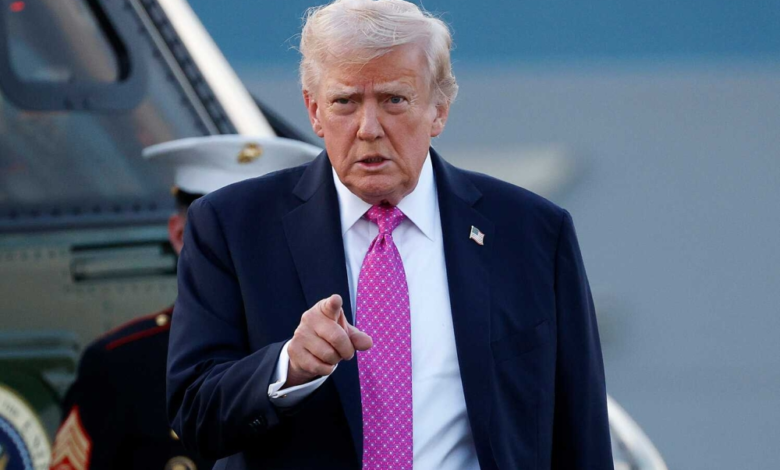
In an incident reflecting escalating political and security tensions in the United States, federal authorities announced the arrest and formal charges against a man in his forties in the northeastern state of Massachusetts. These strict legal measures stem from the suspect's repeated posting of death threats against US President Donald Trump on Facebook. According to the state's federal prosecutor's office, law enforcement agencies are taking these threats very seriously, particularly given the current charged political climate.
Incendiary posts and a description of him as a "monster"
In a detailed official statement, the federal prosecutor's office explained that the suspect, 45-year-old Andrew Emerald, engaged in extensive online hostile activity. Between May and July, he posted eight messages and tweets explicitly threatening to kill or harm U.S. President Donald Trump. According to legal documents and the statement, the suspect vowed in his posts, excerpts of which were released, to hunt down Trump and track him down to his famous Mar-a-Lago resort in Florida. Emerald went further, describing Trump in his writings as a "monster" and vowing to "burn him," prompting urgent intervention by federal authorities to prevent a potential catastrophe.
Expected legal penalties
Legally, Andrew Emerald faces a serious federal charge of “sending threats across multiple states.” This is a major federal crime in the US legal system, as it does not fall under the First Amendment’s protection of free speech but rather constitutes a real and direct threat to public safety. If convicted, he faces a maximum sentence of five years in prison and a hefty fine of up to $250,000, reflecting the authorities’ firm stance against politically motivated threats.
General context and historical background of the event
This incident comes at a time of unprecedented political polarization in the United States, with threats against political figures and government officials increasing significantly in recent years. Historically, protecting presidents and presidential candidates has been a top priority for the Secret Service and the FBI. These threats against Donald Trump are particularly significant and sensitive, especially after he survived two assassination attempts in 2014: one at a campaign rally in Butler, Pennsylvania, and the other near his golf course in Florida. These past incidents have put security agencies on high alert, prompting them to respond swiftly and decisively to any threatening posts or statements on social media to preemptively neutralize the threat before it translates into action.
The importance of the event and its expected impact
The arrest of this man carries significant implications on multiple levels. Locally and nationally, it sends a strong and clear message of deterrence to anyone contemplating using digital platforms to spread hate or threaten political violence, underscoring that cyberspace is not a safe haven for criminals and that law enforcement agencies possess the necessary tools to track down and hold offenders accountable. This event also impacts security measures surrounding political figures, potentially leading to stricter protection protocols and expanded digital surveillance.
At the regional and international levels, the recurring incidents of threats and political violence in a country the size of the United States are attracting the attention and scrutiny of the international community, as they reflect a state of internal instability that could, in turn, affect the global political landscape. The stability of the American democratic system depends heavily on ensuring the safety of its leaders and candidates, and preventing political disagreements from escalating into bloody conflicts or individual acts of violence.