Workers in Yemen: A story of suffering and unemployment in the world's worst humanitarian crisis

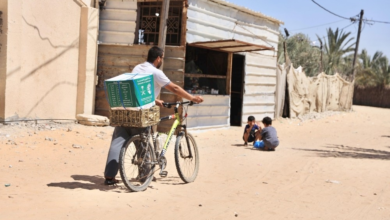
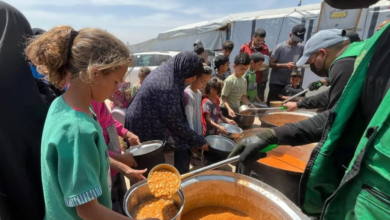
While the world celebrates Labor Day, workers in Yemen face a starkly different reality, their lives transformed into a daily struggle for survival amidst one of the world's worst humanitarian crises. Unemployment is no longer just a statistic in official reports; it has become a harsh reality affecting millions of families, exacerbating their unending suffering in a devastating war that has raged for years.
Background to the crisis: an economy on the brink of collapse
Yemen’s economic situation was far from ideal even before the outbreak of conflict in 2014. The country was already grappling with structural challenges, including high rates of poverty and unemployment, and a heavy reliance on limited oil exports. However, the war dealt a devastating blow to the fragile economy, destroying infrastructure, forcing thousands of factories and private businesses to close, and bringing productive sectors such as agriculture, industry, and services to a near standstill.
The division of financial institutions and the deterioration of the value of the Yemeni riyal have eroded the purchasing power of citizens, while the suspension of salaries for hundreds of thousands of public sector employees has pushed a large segment of the middle class below the poverty line, further increasing the pressure on the already collapsing labor market.
The impact of the crisis on workers: painful figures and statistics
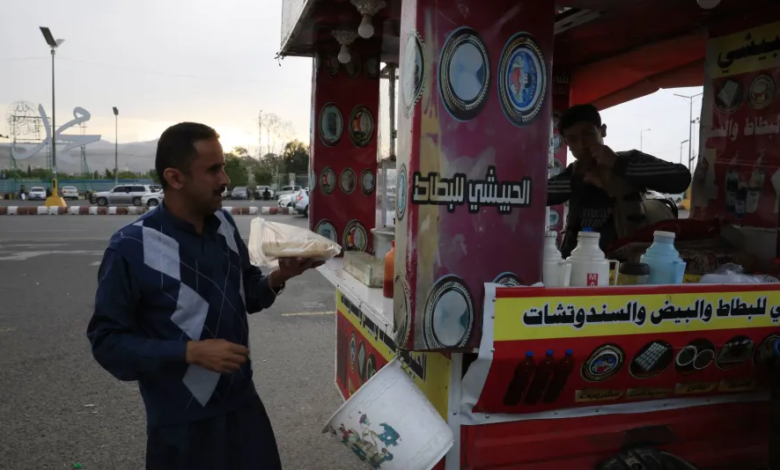
Reports from the United Nations and international organizations indicate that over 80% of Yemen's population lives below the poverty line, and millions are in dire need of humanitarian assistance. Most workers have lost their formal jobs and have been forced into the informal economy, working in marginal and temporary jobs for meager wages that are insufficient to meet even the most basic needs. The sight of workers waiting on sidewalks, hoping for a day's work, has become commonplace in Yemeni cities.
The crisis has particularly affected the most vulnerable categories of workers, including day laborers, women and young people, and has exacerbated the phenomenon of child labor, as families are forced to send their children to work in dangerous conditions to contribute to providing a livelihood.
Importance and future impacts
The collapse of the labor market in Yemen is not merely an economic crisis; it poses a direct threat to long-term social and security stability. Widespread unemployment fuels despair and frustration, potentially driving young people to join armed groups. Regionally and internationally, this crisis further complicates humanitarian efforts and makes future reconstruction a formidable challenge.
Any future political solution to the crisis in Yemen must prioritize an emergency plan to revive the economy, support the private sector, create decent jobs for workers, and rebuild what the war has destroyed. Without restoring livelihoods for Yemenis, peace will remain fragile and suffering will continue.