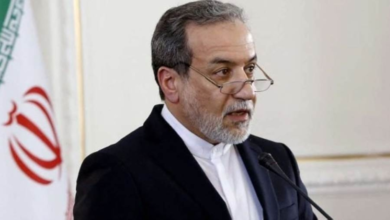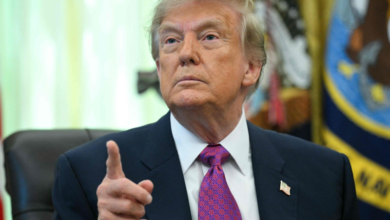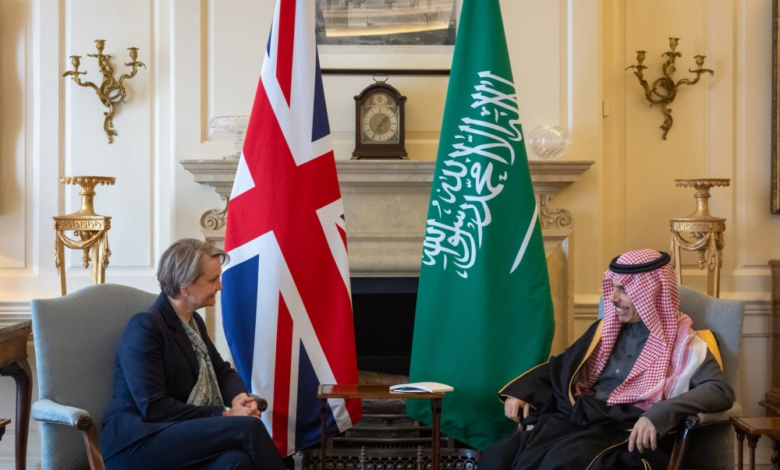

في لقاء دبلوماسي رفيع المستوى بالعاصمة البريطانية لندن، أكد صاحب السمو الأمير فيصل بن فرحان بن عبدالله، وزير الخارجية السعودي، ونظيرته البريطانية إيفيت كوبر، وزيرة الخارجية وشؤون الكومنولث والتنمية، على الموقف المشترك للبلدين بضرورة ضمان أمن واستقرار الممرات المائية الدولية، وفي مقدمتها مضيق هرمز، ورفضهما القاطع لاستخدامه كأداة للضغط السياسي أو الاقتصادي.
وخلال اللقاء، استعرض الوزيران العلاقات الثنائية التاريخية والمتينة بين المملكة العربية السعودية والمملكة المتحدة، وسبل تعزيزها في مختلف المجالات. كما ناقشا آخر التطورات الإقليمية والدولية، خاصة في منطقة الشرق الأوسط، وتداعياتها الأمنية والاقتصادية، مشددين على أهمية تضافر الجهود الدولية لدفع المنطقة نحو تحقيق السلام والاستقرار الدائمين.
الأهمية الاستراتيجية لمضيق هرمز
يحظى مضيق هرمز بأهمية استراتيجية بالغة للاقتصاد العالمي، فهو ليس مجرد ممر مائي، بل شريان حيوي للطاقة العالمية. يربط المضيق بين الخليج العربي وخليج عُمان، ومن خلاله يمر ما يقارب خُمس استهلاك النفط العالمي، بالإضافة إلى كميات هائلة من الغاز الطبيعي المسال. هذا الموقع الجغرافي الفريد يجعله نقطة الاختناق البحرية الأهم في العالم، وأي اضطراب في حركة الملاحة عبره يمكن أن يؤدي إلى صدمات عنيفة في أسواق الطاقة العالمية، ويرفع أسعار النفط بشكل حاد، مما يؤثر سلباً على اقتصادات الدول المستوردة والمصدرة على حد سواء.
خلفية التوترات وتأثيرها الدولي
تاريخياً، كان مضيق هرمز مسرحاً للعديد من التوترات الجيوسياسية، خاصة في ظل التهديدات المتكررة بإغلاقه أو عرقلة حركة الملاحة فيه. هذه التهديدات غالباً ما تستخدم كورقة ضغط في النزاعات الإقليمية والدولية، مما يثير قلق المجتمع الدولي الذي يعتمد على استقرار هذا الممر لضمان تدفق الإمدادات التجارية والطاقوية. إن الموقف السعودي البريطاني المشترك يعكس إدراكاً عميقاً لهذه المخاطر، ويؤكد على أن حرية الملاحة في المضيق ليست قضية إقليمية فحسب، بل هي ضرورة عالمية تقع في صميم القانون الدولي، وأي إخلال بها يعد انتهاكاً مباشراً يهدد النظام التجاري العالمي بأكمله.
وشدد الوزيران على أن استخدام المضيق كوسيلة للابتزاز السياسي أو الاقتصادي يقوض القوانين والأعراف الدولية، ويخلق حالة من عدم اليقين تضر بالاستثمار وحركة التجارة العالمية. وجاء هذا التأكيد ليرسل رسالة واضحة بضرورة التزام كافة الأطراف بالقانون الدولي واحترام حرية الملاحة، والعمل عبر القنوات الدبلوماسية لحل الخلافات بدلاً من اللجوء إلى التصعيد الذي يهدد الأمن والسلم الدوليين.
حضر اللقاء صاحب السمو الملكي الأمير عبدالله بن خالد بن سلطان، سفير خادم الحرمين الشريفين لدى المملكة المتحدة، ومدير عام مكتب سمو وزير الخارجية وليد السماعين، ومستشار سمو وزير الخارجية محمد اليحيى.