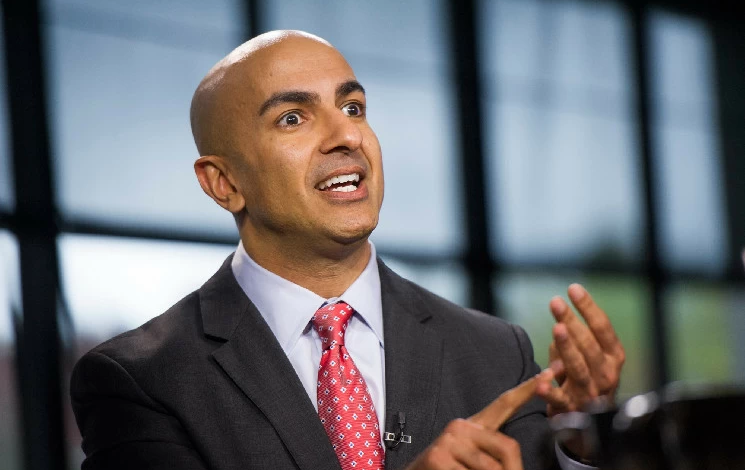

Neel Kashkari, president of the Federal Reserve Bank of Minneapolis, warned that any escalation or prolongation of the conflict in the Middle East, particularly concerning Iran, carries serious risks that could drive up inflation and harm both the global and US economies. These remarks come as the world anxiously awaits the repercussions of escalating geopolitical tensions in the region.
General context and geopolitical tensions
Kashkari’s warnings take on particular significance in the current international climate. The Middle East, historically a vital hub for global energy supplies, is experiencing escalating instability. Any direct or indirect conflict involving Iran threatens to close or disrupt navigation in the Strait of Hormuz, a strategic waterway through which approximately 20% of the world’s total oil consumption passes, along with vast quantities of liquefied natural gas. Any disruption to this vital artery would inevitably trigger a shock in energy markets, causing an immediate and sharp rise in oil and gas prices.
Potential economic impacts
In an interview with CBS's "Face the Nation," Kashkari explained, "I'm very focused on the conflict in the Middle East and its potential impact on inflation and economic demand." He added that continued tensions could force the Federal Reserve to reassess its monetary policy. While markets had been hoping for an interest rate cut, an inflationary shock from rising energy prices could push the Fed to take a "reverse course"—keeping interest rates high or even raising them again to curb inflation.
The Federal Reserve's dilemma
The US Federal Reserve faces a genuine dilemma. Its primary mission is to achieve price stability and maximum employment. Rising energy prices not only fuel inflation but also weaken consumer purchasing power and increase production costs for businesses, potentially slowing economic growth. This scenario, known as stagflation, is one of the worst nightmares for monetary policymakers, where raising interest rates to combat inflation risks jeopardizing economic growth, while lowering them to support growth risks exacerbating inflation.
Division of opinions
Kashkari's remarks reflect a sense of caution prevailing within the Federal Reserve. This cautious stance is echoed by the heads of the Fed's Cleveland and Dallas branches, who have expressed skepticism about the wisdom of cutting interest rates under these uncertain circumstances. Conversely, other voices within the Fed, such as Stephen Miran, favor a rate cut to stimulate the economy. This division underscores that the central bank's future decisions will be heavily contingent on geopolitical developments and their tangible impact on economic data, placing the global economy in a state of high anticipation.