Trump's policy towards Iran: between a diplomatic solution and a naval blockade

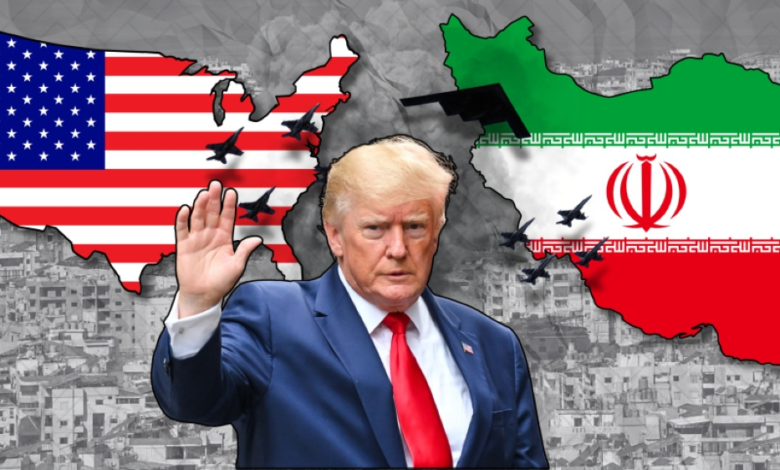
Amid escalating tensions in the Middle East, attention is once again turning to the United States' policy toward Tehran. In this context, recent media reports have revealed the options on the table for the US administration, which range from diplomacy to military and economic escalation.
Wall Street Journal Report: Diplomacy and Military Options
The Wall Street Journal reported that President Donald Trump remains open to a diplomatic solution with Iran. The newspaper explained that the US administration is considering multiple options, including a less likely option of launching a massive bombing campaign, preferring instead to explore the possibility of limited military strikes. Al Arabiya, via its official X platform, quoted the newspaper as saying that the door to diplomacy between Washington and Tehran is not yet closed, and that there is a possibility of a new round of talks between the two sides in the coming days.
Naval blockade on Iranian ports
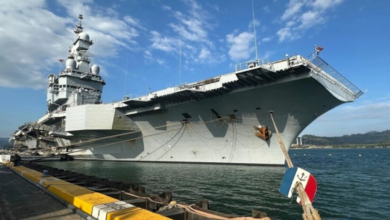
Alongside military and diplomatic options, the option of escalating the situation on the ground through the imposition of a naval blockade has emerged. Al-Arabiya quoted sources in the US military confirming the intention to impose a comprehensive blockade on all ships entering or leaving Iranian ports. This decision is scheduled to take effect starting Monday at 2:00 PM GMT.
US military sources emphasized that the blockade would not impede freedom of navigation for commercial vessels transiting the Strait of Hormuz and bound for non-Iranian ports. They added that merchant mariners would be provided with additional information and guidance before the blockade's implementation to ensure the safety of international navigation in this vital waterway.
The historical context of Trump's policy towards Iran
To understand the dimensions of these developments, one must consider the historical context governing Trump's policy toward Iran. During his first term, Trump adopted a "maximum pressure" strategy, most notably the United States' unilateral withdrawal from the Iran nuclear deal in 2018. This was followed by the reimposition of harsh economic sanctions targeting vital sectors in Iran, primarily oil and banking. This history explains the current cautious approach to choosing the nature of the response, as Washington seeks to achieve its strategic objectives without necessarily being drawn into a large-scale, open regional war.
Expected impact and strategic importance
These developments are of great strategic importance and are expected to have effects on several levels:
- At the local and regional levels, any military escalation or naval blockade would place immense pressure on the already struggling Iranian economy. Regionally, this situation is causing concern among neighboring Gulf states, as the security of the Strait of Hormuz is a matter of national security for the region's countries, which rely on this waterway for their energy exports.
- On the international and economic level: A significant portion of the world's daily oil consumption passes through the Strait of Hormuz. Therefore, any threat to navigation or the imposition of a naval blockade could lead to volatility in global energy markets, potentially driving up oil prices and impacting the global economy. Furthermore, major powers are closely monitoring the situation, which could pave the way for intensive international diplomatic efforts to prevent escalation.
In conclusion, Trump’s policy towards Iran remains governed by a delicate balance between displaying military and economic power on the one hand, and keeping the door slightly ajar for diplomatic solutions on the other, in an attempt to redraw the rules of engagement in the Middle East.