
مقدمة عن الحدث الفلكي البارز
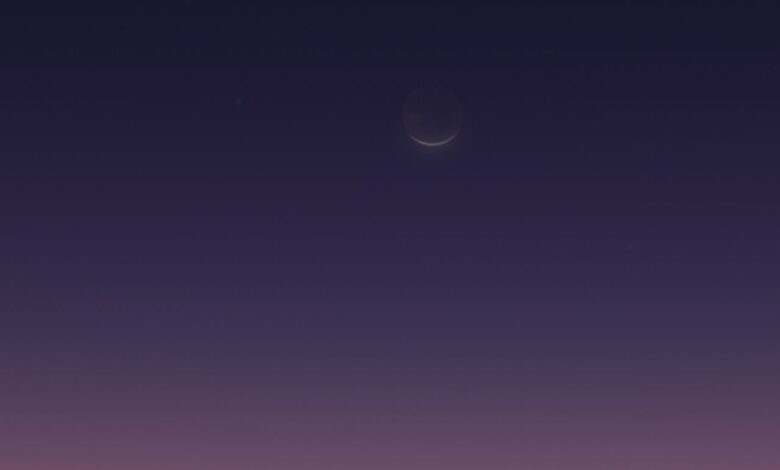
في مشهد سماوي بديع يخطف الأنظار، أوضح رئيس الجمعية الفلكية بجدة، المهندس ماجد أبوزاهرة، أن سماء المملكة العربية السعودية والعالم العربي ستشهد مساء اليوم الإثنين ظاهرة فلكية لافتة. تتمثل هذه الظاهرة في اقتران هلال القمر لشهر ذي الحجة مع كوكب الزهرة، الذي يُعد ألمع كواكب المجموعة الشمسية. هذا الحدث الفلكي الاستثنائي يمكن رصده بسهولة بالعين المجردة فوق الأفق الغربي مباشرة بعد غروب الشمس، مما يوفر فرصة رائعة لعشاق الفلك والطبيعة.
السياق التاريخي والأهمية الثقافية
تكتسب هذه الظاهرة أهمية مضاعفة لتزامنها مع شهر ذي الحجة، وهو الشهر الذي يحمل مكانة روحانية ودينية عظيمة لدى المسلمين لارتباطه بموسم الحج وعيد الأضحى المبارك. تاريخياً، اعتمد العرب والمسلمون منذ القدم على رصد الأهلة لتحديد بدايات الأشهر الهجرية بدقة، وكان كوكب الزهرة، المعروف بـ ‘نجمة المساء’ أو ‘نجمة الصباح’، دليلاً بارزاً للمسافرين في الصحراء بفضل لمعانه الشديد. إن التقاء هذين الجرمين السماويين يعيد إحياء الارتباط الوثيق بين الثقافة العربية وعلوم السماء، ويبرز استمرارية الاهتمام بعلم الفلك الذي برع فيه العلماء الأوائل.
التفسير العلمي لظاهرة الاقتران
وبيّن المهندس أبوزاهرة أن هذا الاقتران يُعد اقتراناً ظاهرياً ناتجاً عن اصطفاف الأجرام السماوية على خط الرؤية من كوكب الأرض. وعلى الرغم من أن القمر وكوكب الزهرة يبدوان متجاورين للناظر، إلا أن مسافات شاسعة جداً تفصل بينهما في الفضاء الخارجي. ولفت إلى أن أفضل أوقات الرصد تبدأ بعد غروب الشمس بنحو 30 إلى 60 دقيقة، وذلك قبل أن يهبط الجرمان تدريجياً أسفل الأفق الغربي.
وأشار إلى أن المشهد سيظهر منخفضاً نسبياً فوق الأفق، مما يجعل صفاء الغلاف الجوي وخلو الجهة الغربية من العوائق، مثل المباني المرتفعة أو الجبال، عاملاً مهماً لنجاح عملية الرصد. سيبدو هلال القمر رفيعاً وبإضاءة خافتة، بينما يظهر كوكب الزهرة كنقطة شديدة السطوع والثبات، وهو ما يصنع تبايناً بصرياً ساحراً وواضحاً بين الجرمين.
التأثيرات البصرية وأهمية الرصد
وأضاف رئيس الجمعية الفلكية بجدة أن قرب الظاهرة من الأفق يؤدي إلى مرور الضوء عبر طبقات أكثر كثافة من الغلاف الجوي، الأمر الذي قد يتسبب في احمرار خفيف للهلال وتذبذب طفيف في لمعان الأجرام، إلى جانب زيادة التأثيرات البصرية المرتبطة بالشفق. وأكد أن الظاهرة ستكون مرئية بسهولة من داخل المدن دون الحاجة إلى معدات رصد خاصة، شرط توفر أفق غربي صافٍ. وتتراوح المسافة الزاوية الظاهرية بين القمر والزهرة بين درجتين إلى أربع درجات قوسية تقريباً، بحسب الموقع الجغرافي وتوقيت الرصد.
على الصعيدين المحلي والإقليمي، يسهم رصد مثل هذه الظواهر في نشر الوعي العلمي وتبسيط المفاهيم الفلكية الأساسية للجمهور، مثل الحركة المدارية للقمر حول الأرض، وموقع الكواكب الداخلية كالزهرة بالنسبة للأرض. كما يعزز من مكانة المراصد الفلكية السعودية في متابعة وتوثيق الأحداث السماوية، مما يلهم الأجيال الشابة للاهتمام بالعلوم.
نصائح للتصوير الفلكي
وفيما يتعلق بالتصوير الفلكي، أوضح أبوزاهرة أن المشهد يمكن توثيقه باحترافية باستخدام عدسات واسعة تتراوح بين 24 و50 ملم لالتقاط المشهد العام مع المناظر الأرضية، أو استخدام عدسات متوسطة إلى طويلة بين 100 و200 ملم تقريباً لدمج الجرمين في إطار واحد بشكل أقرب. ويُفضل دائماً التصوير خلال فترة الشفق قبل اشتداد الظلام للحصول على أفضل توازن في الإضاءة وإبراز جمالية السماء.
حركة الأجرام والأحداث الفلكية المرتقبة
ولفت إلى أن كوكب الزهرة سيظهر عبر التلسكوب في طور الأحدب المتزايد بإضاءة تبلغ نحو 83%، وذلك نتيجة انعكاس أشعة الشمس عن غلافه الجوي الكثيف. في المقابل، يتحرك القمر في مداره حول الأرض بمحاذاة مستوى مسار الكسوف الظاهري بسرعة زاوية تقارب 13 درجة يومياً باتجاه الشرق، وهو ما يفسر تغير موقعه السريع من ليلة إلى أخرى.
وأوضح أن هذا الاقتران يمثل بداية لسلسلة من المشاهد الفلكية المتتابعة خلال الأيام المقبلة؛ حيث يظهر القمر مساء الثلاثاء 19 مايو بين كوكبي الزهرة والمشتري، فيما يقترن مساء الأربعاء 20 مايو مع كوكب المشتري ونجم رأس التوأم المؤخر في كوكبة التوأمان. كما يواصل كوكب الزهرة حركته الظاهرية شرقاً مقترباً تدريجياً من كوكب المشتري، تمهيداً لحدوث اقتران مذهل بينهما في 9 يونيو 2026، والذي يُعد من أبرز الاقترانات الكوكبية المنتظرة.
واختتم بالإشارة إلى أن هذه الظواهر تمنح هواة الرصد والتصوير الفلكي فرصة مميزة لمتابعة الحركة الظاهرية للقمر بين الكواكب اللامعة، في وقت تتزين فيه سماء المساء بعدد من الأجرام البارزة فوق الأفق الغربي، مما يعكس جمال الكون ودقة نظامه البديع.