
استعدادات استثنائية لخدمة ضيوف الرحمن في موسم حج 1447هـ
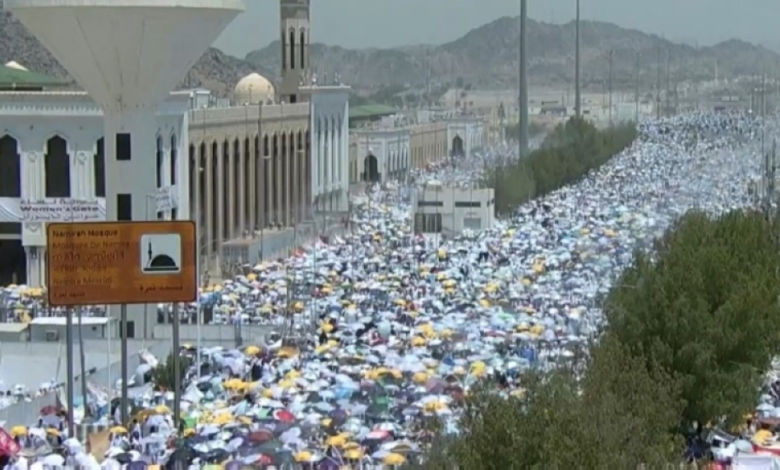
في إطار جهودها المستمرة لتقديم أفضل الخدمات لضيوف الرحمن، أكدت شركة المياه الوطنية جاهزية خطتها التشغيلية لخدمات المياه والصرف الصحي في مكة المكرمة والمشاعر المقدسة لموسم حج هذا العام 1447هـ. وتأتي هذه الاستعدادات ترجمة لتوجيهات القيادة الرشيدة التي تحرص دائماً على تسخير كافة الإمكانات والموارد لضمان راحة الحجاج وتمكينهم من أداء مناسكهم بكل يسر وطمأنينة.
السياق التاريخي لتطور خدمات المياه في الحج
تاريخياً، شكلت سقاية الحاج شرفاً عظيماً ومسؤولية كبرى توارثتها الأجيال في شبه الجزيرة العربية. ومنذ توحيد المملكة العربية السعودية، شهدت خدمات توفير المياه للحجاج قفزات نوعية هائلة. فبعد أن كانت تعتمد على المصادر التقليدية والعيون التاريخية مثل “عين زبيدة”، تحولت اليوم إلى منظومة مؤسسية ضخمة تعتمد على أحدث تقنيات التحلية، وشبكات النقل الاستراتيجية، والخزانات العملاقة. هذا التطور التاريخي يعكس التزام المملكة الراسخ والمستمر بتطوير البنية التحتية لمكة المكرمة والمشاعر المقدسة بما يتواكب مع تزايد أعداد الحجاج عاماً بعد عام.
الأهمية الاستراتيجية والتأثير المتوقع
يحمل نجاح الخطة التشغيلية لشركة المياه الوطنية أهمية كبرى على المستويات المحلية والإقليمية والدولية. فعلى الصعيد المحلي، يبرز هذا النجاح كفاءة البنية التحتية السعودية وقدرتها على تحقيق مستهدفات “رؤية السعودية 2030” المتعلقة ببرنامج خدمة ضيوف الرحمن. أما إقليمياً ودولياً، فإن توفير المياه وإدارة الصرف الصحي لملايين الحجاج المتواجدين في مساحة جغرافية محدودة وخلال فترة زمنية قصيرة، يُعد نموذجاً عالمياً يُحتذى به في إدارة الحشود وتأمين الموارد الحيوية، مما يعزز من مكانة المملكة كقائدة للعالم الإسلامي وقادرة على استضافة أضخم التجمعات البشرية بكفاءة واقتدار.
أرقام وحقائق: خزن استراتيجي وكوادر وطنية
أوضحت شركة المياه الوطنية أن خطتها التشغيلية تُدار ميدانياً بواسطة أكثر من 2400 عنصر بشري من الكوادر الوطنية المدربة، يضمون نخبة من المهندسين والفنيين والإداريين. وترتكز الخطة بشكل أساسي على توفير خزن تشغيلي واستراتيجي ضخم يصل إلى 3.5 ملايين متر مكعب من المياه. يتم هذا العمل بتنسيق متكامل مع كافة الجهات ذات العلاقة لضمان استدامة الخدمة طوال أيام الحج.
كما تتضمن الخطة عمليات ضخ مستمرة على مدار الساعة للمسجد الحرام والمشاعر المقدسة، بمتوسط كميات يتجاوز 760 ألف متر مكعب يومياً. وتُدار هذه الكميات عبر شبكات مياه متطورة يتجاوز طولها 5700 كيلومتر. ومن المتوقع أن يرتفع معدل الضخ اليومي تصاعدياً ليصل إلى مليون متر مكعب في يومي عرفة وعيد الأضحى المبارك، تلبية للاحتياج المتزايد.
مشاريع تطويرية وخدمات بيئية متقدمة
على صعيد الخدمات البيئية، عملت الشركة على رفع جاهزية شبكات الصرف الصحي التي تتجاوز أطوالها 4000 كيلومتر. كما تمت تهيئة محطات المعالجة البيئية بكفاءة عالية لمعالجة أكثر من 750 ألف متر مكعب من مياه الصرف الصحي يومياً في محطتي “حدا” و”عرنة”، مما يضمن الحفاظ على الإصحاح البيئي للمقدسات.
ولضمان هذا التفوق التشغيلي، أنهت الشركة في وقت مبكر تنفيذ 12 مشروعاً رأسمالياً وتشغيلياً استهدفت تحسين البنى التحتية، ورفع الكفاءة التشغيلية، وزيادة سعة خطوط النقل والتوزيع.
التقنية الحديثة وضمان جودة المياه
لم تغفل شركة المياه الوطنية الجانب التقني، حيث سخرت أحدث التقنيات في إدارة العمليات. وتتابع مراكز المراقبة والتحكم الرقمية ضغوط المياه في الشبكات ومناسيبها في الخزانات على مدار الساعة. ولضمان أعلى معايير الجودة، يتم إجراء أكثر من 4000 فحص مخبري يومياً عبر المختبرات المركزية والمتنقلة، لتقديم أرقى الخدمات لضيوف الرحمن منذ قدومهم وحتى مغادرتهم بسلام آمنين.