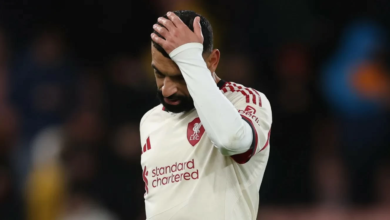
Rodgers was furious with the refereeing after Al-Qadisiyah's loss to Al-Ettifaq

Rodgers is furious after the Eastern Conference derby
Irishman Brendan Rodgers, head coach of Al-Qadisiyah FC, expressed his deep disappointment and frustration following his team's loss to arch-rivals Al-Ettifaq in the 27th round of the Saudi Professional League. These comments come at a time when the Saudi league is experiencing unprecedented competitiveness and widespread global attention, making every point lost a significant factor in a club's position in the standings.
Historical context and importance of the Eastern Province derby
The Eastern Province derby between Al-Qadisiyah and Al-Ettifaq is one of the most prestigious derbies in Saudi football history, boasting a unique competitive spirit and a large fan base in the region. This encounter takes on added significance this season given the remarkable development of the Saudi Professional League, where all teams, including Al-Qadisiyah, strive to prove their worth and secure a top position among the elite clubs. A loss in such matches not only impacts points but also the morale and psychological state of both players and fans, especially when accompanied by controversial refereeing decisions.
Controversial refereeing decisions changed the course of the match
In his remarks to the media, Rodgers emphasized that Al-Qadsia's performance did not reflect the final result of the match. He clearly indicated that the refereeing decisions played a pivotal role in changing the course of the game, describing them as undeserved. The Irish coach's anger was particularly focused on the two red cards his team received, asserting that Al-Qadsia had been the better side and leading before the situation became complicated and the balance of power shifted due to the sudden numerical disadvantage, which forced the team to retreat.
The controversy surrounding the refereeing decisions wasn't limited to the red cards; it extended to the decision to disallow Al-Qadisiyah's third goal, a decision Rodgers described as deeply unsatisfactory and frustrating. The coach alluded to a series of recurring refereeing errors that his team had suffered in several previous matches, raising questions about the impact of these decisions on the team's performance at this crucial stage of the league competition.
First loss since December and high fighting spirit
Despite the bitterness of defeat, Rodgers was keen to highlight the positives, praising the fighting spirit and strong character shown by the players, especially in the second half. The team continued to press and attack despite being a man down and facing adverse circumstances. The manager explained that this loss was his first since taking over the team last December, reflecting the significant work he has done in recent months and the stability of the coaching staff.
Brendan Rodgers concluded his remarks by reassuring Al-Qadsia fans, expressing his immense pride in the team's performance thus far and their current position in the league table. He emphasized his team's proximity to the top clubs, stressing his ambition and determination to continue improving and rectifying any mistakes. He expressed his complete confidence in his players' ability to overcome the derby setback and make amends in upcoming matches to ensure a season finish befitting the name and history of Al-Qadsia Club.