The execution of Iranian wrestler Saleh Mohammadi sparks outrage in the sports world

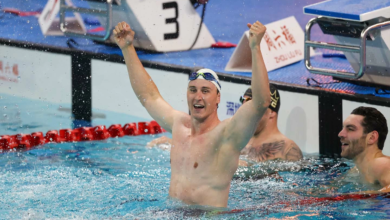
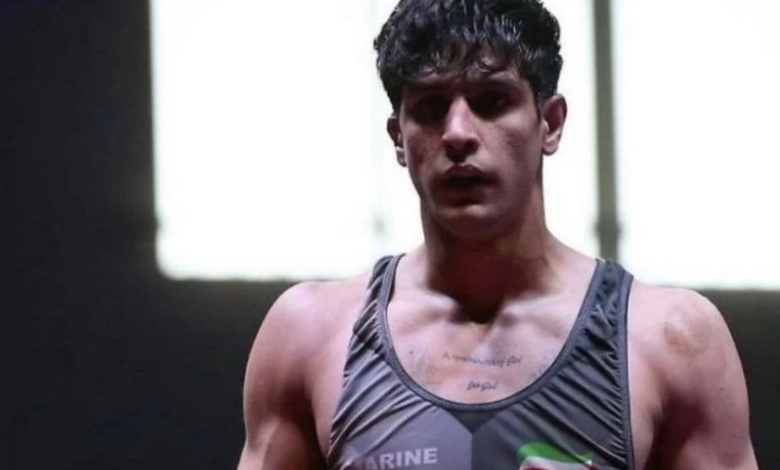
In a tragic incident highlighting the intersection of sports, politics, and human rights, the execution of 19-year-old Iranian wrestler Saleh Mohammadi has sparked shock and outrage in Iranian and international sporting circles. His execution stemmed from alleged involvement in anti-government protests across the country. Former Iranian water polo player Reza Soleimani expressed his profound sorrow and shock at this tragic event, which brings to mind the suffering of athletes under oppressive regimes.
Details of the execution of Iranian wrestler Saleh Mohammadi
Iranian state media reported that authorities executed three men, including Mohammadi, for the killing of two police officers during the unrest and protests that began on January 8. Iran's Supreme Court upheld the sentences with remarkable speed. These executions are part of a widespread crackdown by Iranian authorities on the popular protests that began late last year, which have drawn international condemnation for human rights abuses and trials lacking transparency and fairness.
The story of Reza Soleimani and the suffering of athletes
Reza Soleimani's reaction to the execution of the Iranian wrestler was not merely a fleeting expression of sympathy, but stemmed from a bitter personal experience. In 1986, while representing Iran at the Asian Games in Seoul, Soleimani attempted to defect and seek political asylum in South Korea. His attempt failed, and he was forcibly deported to Iran. There, he faced imprisonment in solitary confinement for 23 days, during which he lived in constant fear of execution. After his release, he managed to escape to Pakistan and then India, eventually settling in Canada, where he is currently active as a member of the Iranian Athletes for Freedom Association.
The systematic targeting of athletes in Iran
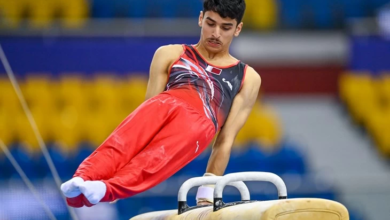
The case of Saleh Mohammadi is not isolated; it reflects a disturbing historical pattern of targeting athletes in Iran. Soleimani noted that more than 100 Iranian athletes were shot in the streets during recent protests. This systematic targeting of sports figures, who are often widely popular and influential among young people, aims to instill fear and silence any dissenting voices. Historically, Iran has witnessed similar incidents that have sparked international outrage, placing increasing pressure on international sports federations to take a firmer stance to protect athletes.
International reactions and the future of Iranian sports
Internationally, reactions were cautious but expressed concern. The United World Wrestling (UWW) indicated that it was aware of the risks surrounding Mohammadi and had previously called for a fair, transparent, and impartial trial, which, according to human rights reports, has not been granted. For its part, the International Olympic Committee (IOC) issued a statement acknowledging the difficulty of independently verifying information coming from Iran, but expressed its deep concern about the situation of Iranian athletes affected by the ongoing events.
Amid these tragedies, hope for change remains. Soleimani addressed the future of Iranian sports participation, particularly with the approach of the 2026 FIFA World Cup, to be hosted by the United States, Canada, and Mexico. This tournament has acquired a complex political dimension due to the ongoing conflict between Tehran and Washington. Soleimani expressed his hope that the Iranian national team would one day participate under the old Iranian flag (the lion and sun flag) dating back to before the 1979 Islamic Revolution, which has now become a symbol of the opposition. He concluded optimistically, saying: “This flag is like the sun; it will surely rise again. I am certain that a great day will dawn once more upon the Iranian people.”.