
تحديات تقنية تفرض نفسها على طاولة الفورمولا 1
أعادت الحوادث الأخيرة التي شهدتها حلبة سوزوكا في سباق جائزة اليابان الكبرى تسليط الضوء على واحدة من أكثر القضايا تعقيداً في عالم رياضة السيارات، وهي الفوارق التقنية وإدارة الطاقة في سيارات الفورمولا 1. وفي هذا السياق، دعا الرئيس التنفيذي لبطولة الفورمولا 1، ستيفانو دومينيكالي، إلى ضرورة إدخال تعديلات جوهرية على القواعد الفنية الجديدة المعتمدة لهذا الموسم. وتتركز المخاوف تحديداً حول وحدات الطاقة الهجينة وإدارة القوة الكهربائية، والتي أصبحت مصدراً لجدل واسع بين السائقين والفرق على حد سواء. وأكد دومينيكالي أن هناك مشاورات مكثفة تجرى حالياً بالتنسيق مع الاتحاد الدولي للسيارات (FIA) والفرق المشاركة، حيث من المقرر عقد اجتماعات حاسمة قبل انطلاق سباق جائزة ميامي الكبرى، بهدف التوصل إلى تحسينات ملموسة سيتم الإعلان عنها قبل الأول من مايو.
حادث اليابان: جرس إنذار لإدارة الطاقة
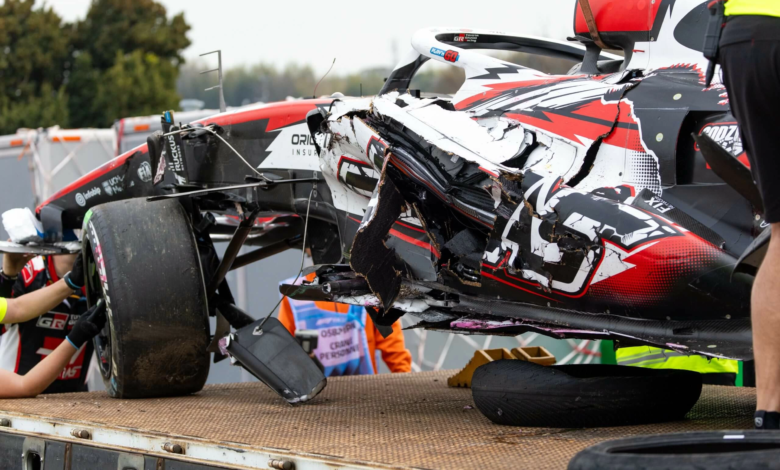
وقد تفجر هذا النقاش مجدداً وبقوة بعد الحادث البارز الذي شهده سباق اليابان بين السائقين أوليفر بيرمان وفرانكو كولابينتو أثناء القيادة بسرعات عالية جداً. هذا الحادث لم يكن مجرد تصادم اعتيادي، بل كشف عن تحديات حقيقية تتعلق باختلاف السرعات القصوى بين السيارات وكيفية إدارة الطاقة الكهربائية داخل السباق، لا سيما عند استخدام البطارية في فترات الكبح والتسارع. هذه الفوارق المفاجئة في السرعة تجعل من التنبؤ بحركة السيارات أمراً بالغ الصعوبة، مما يرفع من معدلات الخطورة ويؤثر على استراتيجيات التجاوز.
السياق التاريخي: حقبة المحركات الهجينة
ولفهم جذور هذه المشكلة، يجب العودة إلى السياق التاريخي للبطولة. منذ عام 2014، دخلت الفورمولا 1 حقبة المحركات الهجينة (V6 Turbo Hybrid)، وهي خطوة هدفت إلى جعل الرياضة أكثر استدامة وقرباً من تكنولوجيا السيارات التجارية. ورغم أن هذه المحركات تعد تحفاً هندسية، إلا أنها جلبت تعقيدات هائلة وتكاليف باهظة، مما أدى إلى خلق فجوات كبيرة في الأداء بين الفرق الكبرى وتلك التي تمتلك ميزانيات محدودة. إدارة الطاقة المستخرجة من الكبح والحرارة أصبحت العامل الحاسم في الفوز أو الخسارة، وهو ما يفسر حساسية الفرق تجاه أي تغيير في القوانين.
أنظار تتجه نحو ثورة قوانين 2026
وتتجه أنظار عشاق رياضة المحركات والفرق نحو التغيير الجذري المرتقب في موسم 2026. القوانين الجديدة ستعتمد على محركات هجينة تولد الطاقة بنسبة متساوية تقريباً: 50% من محرك الاحتراق الداخلي (الحراري) و50% من الطاقة الكهربائية. تهدف هذه الخطة الطموحة إلى تعزيز فرص التجاوز وزيادة الإثارة على الحلبة. ومع ذلك، فإن آلية توزيع هذه الطاقة بين الوضعيات المختلفة، بما في ذلك وضع «التجاوز» الجديد، أثارت انتقادات حادة بسبب تعقيدها التقني وتأثيرها المحتمل على توسيع الفوارق بين السيارات بدلاً من تقليصها.
شعبية متزايدة رغم الجدل التقني
على الصعيد العالمي، تلعب هذه التعديلات دوراً حاسماً في مستقبل الرياضة وتأثيرها الاقتصادي. ورغم الجدل التقني المستمر، أشاد دومينيكالي بالمؤشرات الإيجابية القوية للموسم الحالي. فقد سجلت البطولة ارتفاعاً ملحوظاً في نسب الحضور الجماهيري والمشاهدات التلفزيونية بنحو 25 في المائة مقارنة بالسنوات السابقة. هذا النمو يعكس تزايد شعبية البطولة عالمياً ونجاحها في جذب فئات جديدة من المشجعين.
الخلاصة: البحث عن التوازن المفقود
في الختام، استغلت إدارة الفورمولا 1 والاتحاد الدولي للسيارات بعض التوقفات في روزنامة البطولة لإجراء مشاورات إضافية، بما في ذلك التعديلات التجريبية التي تم اختبارها في اليابان. ويبقى التحدي الأكبر أمام دومينيكالي وصناع القرار هو إيجاد التوازن المثالي عبر تحسين مستمر للقواعد الحالية، لضمان الحفاظ على الفورمولا 1 كقمة للابتكار التكنولوجي، مع توفير منافسة عادلة ومثيرة وآمنة لجميع المشاركين.