Developing the purification system in Arafat and Muzdalifah in preparation for Hajj 1447 AH

Early preparations to serve the guests of God
In a proactive step aimed at enhancing the quality of services provided to pilgrims, Kadana Development and Investment Company, the executive arm of the Royal Commission for Makkah City and the Holy Sites, announced the continuation of its work to develop and improve the efficiency of the ablution system in Arafat and Muzdalifah, as part of its early preparations for the 1447 AH Hajj season. This significant project aims to increase the capacity of health facilities and ensure full operational readiness to receive millions of pilgrims and provide them with the utmost comfort during their rituals.
Historical background and importance of developing the holy sites
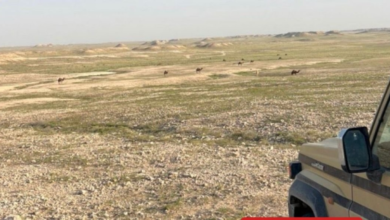
Since its founding, the Kingdom of Saudi Arabia has placed great importance on serving the Two Holy Mosques and the holy sites. Managing crowds and providing the necessary infrastructure in areas like Arafat and Muzdalifah presents a formidable logistical challenge due to the high human density within a very short timeframe. Arafat is the site of the most important pillar of Hajj, where pilgrims spend the ninth day of Dhul-Hijjah, while they spend the night in Muzdalifah before proceeding to Mina. Historically, these areas have witnessed continuous development in services, from providing water sources to establishing comprehensive infrastructure. This project represents another step in the ongoing efforts to ensure the safety, health, and comfort of pilgrims, in line with the increasing numbers each year.
Project details: 6987 modern restrooms
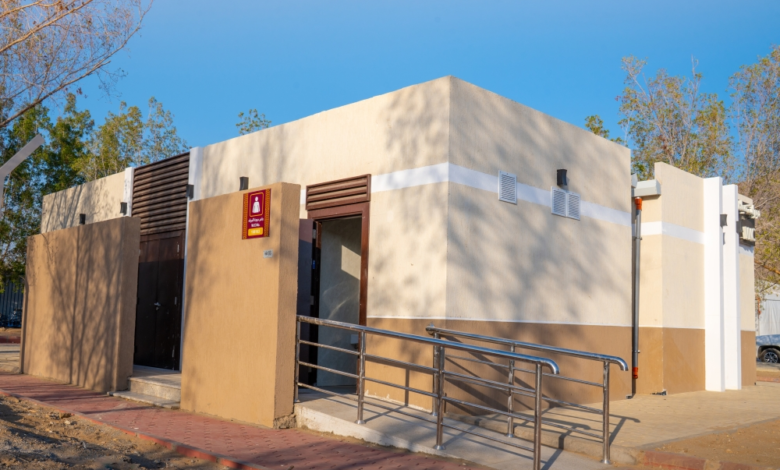
Kadana Company revealed that the upgraded ablution system will include a total of 6,987 fully equipped restrooms, distributed across 411 modern complexes in 214 key locations within Arafat and Muzdalifah. The project relies on a strategy of expanding the use of advanced prefabricated units and replacing older complexes with modern facilities characterized by efficiency and sustainability. These upgrades aim to significantly reduce waiting times, improve overall hygiene, and provide a healthy and safe environment for pilgrims, especially during peak times of high usage.
Expected impact and alignment with Vision 2030
This project is of paramount importance on several levels. Locally, it enhances the Kingdom's ability to organize the Hajj season efficiently and effectively, and elevates the quality of the pilgrims' experience. Internationally, it solidifies the Kingdom's position as a leader in serving the guests of God and presents a global model for managing the largest human gatherings. The project aligns directly with the objectives of the "Guests of God Service Program," one of the key programs of Saudi Vision 2030, which aims to enrich the religious and cultural experience of pilgrims and Umrah performers. The project also focuses on enhancing water efficiency and ensuring the sustainability of operational performance, reflecting a strong commitment to sustainable development standards. These efforts not only facilitate the performance of rituals with ease and tranquility but also contribute to raising the quality of life within the Holy Sites.