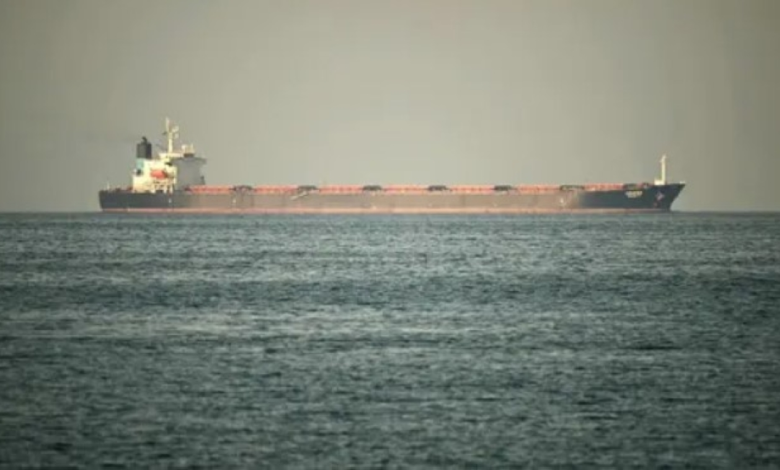

في تطور جديد يثير القلق بشأن أمن الملاحة في أحد أهم الممرات المائية في العالم، أعلنت هيئة عمليات التجارة البحرية البريطانية (UKMTO) عن احتجاز سفينة قبالة سواحل الإمارات العربية المتحدة من قبل جهات مجهولة، واقتيادها نحو المياه الإقليمية الإيرانية. وقع الحادث يوم الخميس بالقرب من مضيق هرمز، الشريان الحيوي الذي تعتمد عليه أسواق الطاقة العالمية.
ووفقًا للبيان الصادر عن الهيئة، فقد تلقت بلاغًا عن وقوع الحادثة على بعد حوالي 38 ميلًا بحريًا شمال شرق إمارة الفجيرة. وأوضح البيان أن “السفينة احتُجزت من جانب أفراد غير مُصرح لهم أثناء رسوها، ويتم اقتيادها حاليًا إلى المياه الإقليمية الإيرانية”. لم يتم الكشف عن هوية السفينة أو جنسية طاقمها أو الجهة التي تقف وراء عملية الاحتجاز، مما يضيف طبقة من الغموض على الحادث.
السياق التاريخي والأهمية الاستراتيجية لمضيق هرمز
يُعد مضيق هرمز نقطة اختناق بحرية استراتيجية، حيث يمر عبره ما يقرب من خُمس استهلاك النفط العالمي، بالإضافة إلى كميات هائلة من الغاز الطبيعي المسال. هذا الموقع الجغرافي الحساس جعله مسرحًا للتوترات الجيوسياسية لعقود، خاصة بين إيران والدول الغربية بقيادة الولايات المتحدة. شهدت المنطقة سلسلة من الحوادث المماثلة في السنوات الأخيرة، حيث قامت القوات الإيرانية، وتحديدًا البحرية التابعة للحرس الثوري، باحتجاز عدد من السفن التجارية وناقلات النفط. غالبًا ما تأتي هذه التحركات كرد فعل على العقوبات الدولية المفروضة على طهران، أو في سياق نزاعات إقليمية أوسع.
التأثيرات المحتملة على الصعيدين الإقليمي والدولي
يثير هذا الحادث الأخير مخاوف جدية من تصعيد التوترات في منطقة الخليج العربي. فعلى الصعيد الاقتصادي، يمكن أن تؤدي مثل هذه الأحداث إلى ارتفاع تكاليف التأمين على الشحن البحري، مما ينعكس سلبًا على أسعار الطاقة العالمية واستقرار سلاسل الإمداد. أما على الصعيد السياسي، فإنها تزيد من تعقيد المشهد الدبلوماسي، وتضع ضغوطًا على القوى الدولية لضمان حرية الملاحة وأمن الممرات المائية الحيوية.
وفي هذا السياق، تأتي دعوات من شخصيات سياسية دولية لإيجاد حلول دبلوماسية للأزمة. فقد أشار السيناتور الأمريكي ماركو روبيو إلى أن من مصلحة الصين، كأحد أكبر مستوردي النفط من المنطقة، أن تلعب دورًا أكثر فاعلية في الضغط على إيران لتغيير سلوكها المزعزع للاستقرار في الشرق الأوسط. وأكد روبيو أن الصين تمثل التحدي الجيوسياسي الأكبر، وأن على الولايات المتحدة إدارة علاقتها المعقدة مع بكين بشكل استراتيجي، بما في ذلك حثها على المساهمة في استقرار المنطقة.