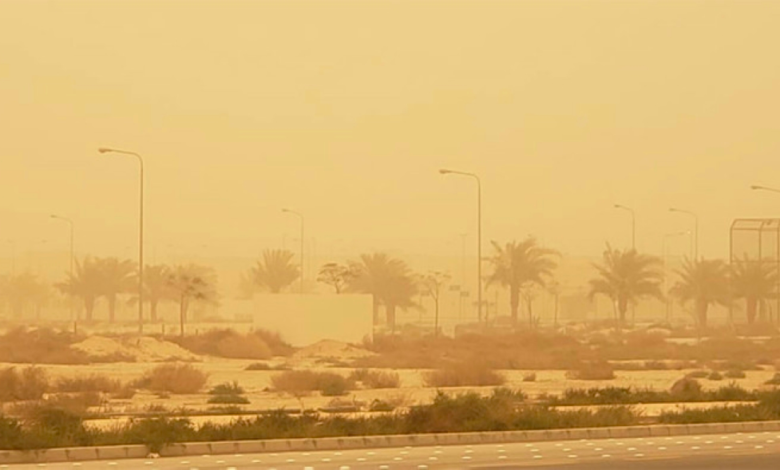

أعلن المركز الإقليمي للعواصف الغبارية والرملية عن رصده 108 ساعات من الحالات الغبارية في عدد من دول الإقليم، وذلك ضمن جهوده المستمرة لمتابعة الظواهر الجوية وتحليل تأثيراتها البيئية والمناخية. ويهدف هذا الرصد الدقيق إلى تعزيز منظومات الإنذار المبكر ودعم جاهزية الجهات المعنية للتعامل مع هذه الظواهر الطبيعية التي يتزايد تكرارها وشدتها في السنوات الأخيرة.
وأوضح المركز في تقريره الأخير أن الأردن سجلت أعلى عدد من ساعات النشاط الغباري بواقع 27 ساعة، تلتها كازاخستان بـ 22 ساعة، ثم إيران بـ 20 ساعة. كما شمل الرصد كلاً من باكستان (15 ساعة)، والمملكة العربية السعودية (11 ساعة)، والعراق (7 ساعات)، ومصر (6 ساعات)، بينما لم تسجل بقية دول الإقليم أي حالات خلال فترة الرصد، مما يعكس تبايناً جغرافياً واضحاً في النشاط الغباري تبعاً للظروف الجوية السائدة وحركة الأنظمة المناخية المؤثرة.
السياق العام: لماذا تتزايد العواصف الغبارية في المنطقة؟
تُعد منطقة الشرق الأوسط وشمال أفريقيا وآسيا الوسطى جزءاً من “حزام الغبار” العالمي، وهي مناطق ذات طبيعة صحراوية وشبه صحراوية تجعلها مصدراً رئيسياً للعواصف الرملية. تاريخياً، كانت هذه الظواهر جزءاً من المناخ الإقليمي، لكن العلماء والخبراء يربطون بين زيادتها الحالية وتغير المناخ. إذ يؤدي ارتفاع درجات الحرارة، وتناقص معدلات هطول الأمطار، وموجات الجفاف الطويلة إلى تفكك التربة السطحية، مما يسهل على الرياح حمل كميات هائلة من الغبار والرمال ونقلها عبر مسافات شاسعة.
تأثيرات واسعة النطاق على الصحة والاقتصاد والبيئة
لا تقتصر آثار العواصف الغبارية على تدني مدى الرؤية الأفقية، بل تمتد لتشمل أبعاداً متعددة تؤثر بشكل مباشر على حياة الملايين. فعلى الصعيد الصحي، تسبب الجسيمات الدقيقة المحمولة في الهواء مشاكل في الجهاز التنفسي، وتزيد من حالات الربو والحساسية، وتشكل خطراً على كبار السن والأطفال وأصحاب الأمراض المزمنة. اقتصادياً، تؤدي هذه العواصف إلى شل حركة الطيران والملاحة البحرية، وتعطيل حركة النقل البري، وإلحاق أضرار بالمحاصيل الزراعية، وتقليل كفاءة محطات الطاقة الشمسية، مما يكبد اقتصادات الدول خسائر كبيرة.
أهمية الرصد والتعاون الإقليمي
أكد المركز الإقليمي أن عمليات الرصد والتحليل المستمرة تأتي ضمن مهامه الرامية إلى تتبع تطورات العواصف الغبارية وإصدار البيانات والتقارير العلمية الداعمة لصناع القرار. إن توفير معلومات دقيقة وفي الوقت المناسب يساهم في تعزيز كفاءة الاستجابة والتعامل مع هذه الظواهر وتأثيراتها المحتملة على الصحة العامة وجودة الهواء. ودعا المركز الجميع إلى متابعة التحديثات الدورية والالتزام بالإرشادات الوقائية خلال فترات النشاط الغباري، مؤكداً على أهمية التعاون الإقليمي لمواجهة التحديات البيئية المشتركة.