Darb Zubaydah and Arar border crossing: Hajj routes across the northern border

The Northern Borders region of Saudi Arabia embodies a unique convergence of historical richness and modernity, playing a pivotal role as a vital land route for pilgrims to the Holy Mosque in Mecca, particularly those coming from Iraq. This role spans centuries, from the ancient Darb Zubaydah, which served as the lifeblood of the Hajj caravans, to the modern Arar border crossing, now a sophisticated gateway equipped with state-of-the-art services for the pilgrims.
A rich historical legacy: Darb Zubayda, the ancient pilgrimage route
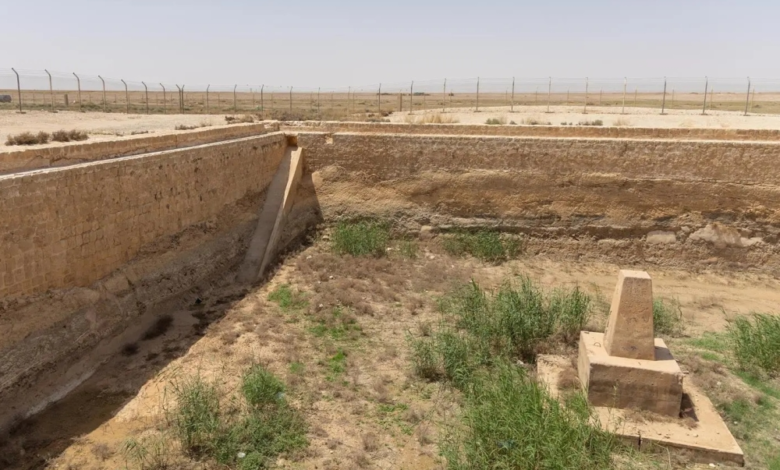
The Zubayda Trail is one of the most important Islamic pilgrimage routes, reaching its peak during the Abbasid era. It was named in honor of Zubayda bint Ja'far, wife of Caliph Harun al-Rashid, who played a significant role in its development and infrastructure. The route stretches from Kufa in Iraq to Mecca, covering a distance of over 1,400 kilometers within Saudi Arabia. Zubayda's efforts extended beyond simply paving the road; she commissioned a comprehensive system of infrastructure, including wells, cisterns for rainwater collection, rest stops, and landmarks to guide pilgrims and travelers. This advanced infrastructure transformed the arduous and perilous pilgrimage into a safer and easier route. The trail remained in use for centuries before its importance gradually declined with changing political circumstances and the emergence of alternative routes. Today, the Kingdom of Saudi Arabia recognizes the Zubayda Trail as a cultural and civilizational heritage site and is working to have it inscribed on UNESCO's World Heritage List, affirming its historical and human value.
A modern gateway for pilgrims: New Arar border crossing
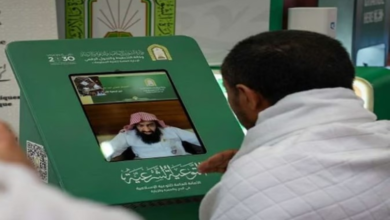
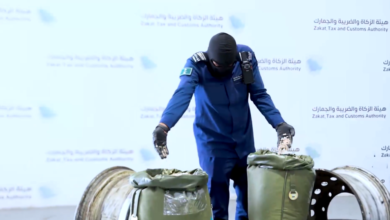
In modern times, the Northern Borders region continues to serve pilgrims, but now through the modern gateway of the New Arar border crossing. This crossing is one of the most important land crossings connecting the Kingdom of Saudi Arabia with the Republic of Iraq, and it witnesses a heavy influx of pilgrims during the Hajj season. The Saudi government has ensured that the crossing is equipped with a comprehensive system of services operating around the clock to guarantee the comfort of pilgrims and facilitate their entry procedures. These services include efficient and rapid passport and customs processing, immediate healthcare through centers equipped with medical staff and ambulances, religious guidance and awareness services, distribution of meals and water, and comfortable waiting areas. All governmental and private sectors at the crossing, including the Ministry of Interior, the Ministry of Health, the Ministry of Hajj and Umrah, the Zakat and Tax Authority, and Customs, work in full coordination to provide a smooth and convenient experience for pilgrims from the moment they arrive in the Kingdom.
Strategic importance and multidimensional impact
The connection between the past and present in serving pilgrims across the northern border is of paramount strategic importance. Locally, this role enhances the region's standing and contributes to stimulating economic activity during the Hajj season. Regionally, the crossing serves as a bridge of fraternal communication between the people of the Kingdom and Iraq, reflecting the depth of religious and cultural ties. Internationally, this ongoing effort underscores the commitment of the Kingdom of Saudi Arabia, both its leadership and its people, to dedicating all its resources to serving Islam and Muslims and facilitating the performance of the Hajj pilgrimage, which aligns with the goals of the Kingdom's Vision 2030 and the Guests of God Service Program, aimed at enriching the religious and cultural experience of pilgrims and Umrah performers.