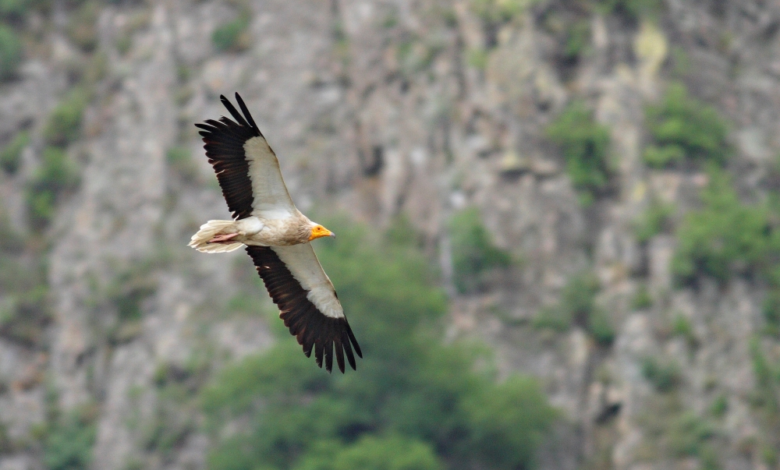

تراجع مقلق في أعداد النسر المصري
يعتبر النسر المصري، المعروف علمياً باسم (Neophron percnopterus)، واحداً من أهم الطيور الجارحة التي تلعب دوراً حيوياً في الحفاظ على التوازن البيئي. ولكن في الآونة الأخيرة، باتت هجرة هذه الطيور مهددة بشكل غير مسبوق. في مثل هذه الفترة من العام، تعتاد النسور المصرية العودة إلى ألبانيا ودول البلقان بعد قضاء فصل الشتاء في القارة الإفريقية الدافئة. إلا أن هذا العام شهد تراجعاً مخيفاً، حيث لم يُرصد سوى زوج واحد فقط في البلد البلقاني. ويعزو علماء الطيور والخبراء البيئيون هذا التراجع الحاد إلى النزاعات المسلحة والحروب الدائرة في منطقة الشرق الأوسط، بما في ذلك التوترات الإقليمية المستمرة.
السياق التاريخي والبيئي لهجرة الطيور
تاريخياً، يُعد مسار الهجرة الذي يمر عبر الشرق الأوسط وشبه الجزيرة العربية واحداً من أهم الممرات الجوية للطيور المهاجرة على مستوى العالم. تعبر ملايين الطيور سنوياً هذا المسار، المعروف باسم مسار الهجرة الأوراسي-الإفريقي، هرباً من صقيع أوروبا وبحثاً عن الدفء والغذاء في إفريقيا. النسر المصري، الذي كان يحظى بتبجيل كبير في الحضارة المصرية القديمة لدرجة أنه رُمز له بحرف أساسي في الأبجدية الهيروغليفية، يعتمد بشكل كلي على هذا المسار. يقطع هذا الطائر مسافة تقارب 5000 كيلومتر مرتين سنوياً، في فصلي الخريف والربيع، للتنقل بين مناطق تعشيشه في البلقان ومناطق تشتيته في إفريقيا.
تفاقم المخاطر في مسارات الهجرة
يُعد النسر المصري أصغر أنواع النسور الأوروبية، حيث يتراوح طوله بين 60 و75 سنتيمتراً، ويتميز بمظهر فريد يتمثل في رأسه الأصفر وريشه الأبيض ذي الحواف السوداء. ورغم صغر حجمه، فإنه يواجه تحديات هائلة. يؤكد نيكولاي بيتكوف، المسؤول في الجمعية البلغارية لحماية الطيور، أن الحرب تفاقم المخاطر القائمة أصلاً على طول مسار هجرة هذا النوع من الطيور. ويشير إلى أن أعداد هذه النسور في دول البلقان لا تتجاوز نحو خمسين زوجاً خلال فترة معينة من السنة، مما يجعل أي فقدان في أعدادها كارثة بيئية حقيقية.
إلى جانب العقبات التقليدية التي تواجهها هذه النسور، مثل التسمم العمدي أو العرضي، والصيادين غير القانونيين، وخطر الصعق بالتيار الكهربائي من خطوط الضغط العالي، أُضيفت عقبة جديدة وخطيرة هذا العام. تتمثل هذه العقبة في اضطرار الطيور لعبور مناطق تشهد نزاعات عسكرية وقصفاً جوياً للوصول إلى مناطق تكاثرها.
التأثير الإقليمي والدولي للنزاعات على التنوع البيولوجي
تتجاوز أضرار الحروب تدمير البنية التحتية لتشمل تدمير النظم البيئية. يوضح عالم الطيور في المنظمة الألبانية لحماية البيئة الطبيعية وحفظها، جمال خيري، أن الضربات الجوية لا تضر بالنسور المصرية فحسب، بل بعدد آخر لا يُحصى من الطيور المهاجرة. كما أن الانفجارات المستمرة تدمر مواقع الاستراحة الحيوية التي تلجأ إليها الطيور لالتقاط أنفاسها على طول مسارات هجرتها الطويلة.
إن الشرق الأوسط هو ممر أساسي وحيوي للهجرة، والتأثير الكبير للحروب على هذا النوع الذي تتناقص أعداده بسرعة يشكل جرس إنذار عالمي. النسر المصري مُدرج ضمن قائمة الأنواع المُهددة بالانقراض التابعة للاتحاد الدولي لحفظ الطبيعة (IUCN). إن فقدان هذه الطيور لا يمثل خسارة للتراث الطبيعي فحسب، بل يهدد الصحة العامة أيضاً، حيث تلعب النسور دور عمال النظافة في الطبيعة من خلال التخلص من الجيف ومنع انتشار الأمراض والأوبئة. يتطلب هذا الوضع تدخلاً دولياً عاجلاً لحماية مسارات الهجرة وتجنيب الحياة البرية ويلات الصراعات البشرية.