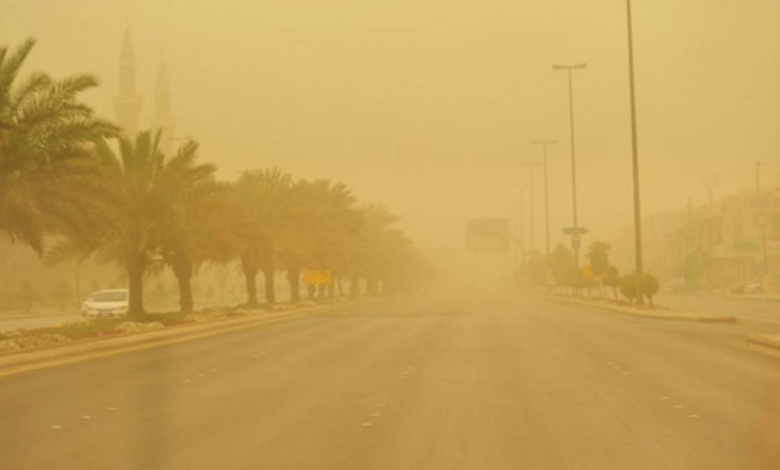

توقعات حالة الطقس في السعودية اليوم الجمعة
أعلن المركز الوطني للأرصاد عن تفاصيل حالة الطقس في السعودية المتوقعة ليوم الجمعة، محذراً المواطنين والمقيمين من تقلبات جوية ملحوظة تشمل رياحاً نشطة مثيرة للأتربة والغبار، بالإضافة إلى تكون سحب رعدية ممطرة على عدة مناطق. وتأتي هذه التوقعات ضمن الجهود المستمرة للمركز في تقديم إنذارات مبكرة لضمان سلامة الجميع وتسهيل حركة التنقل.
تأثير الرياح والأتربة على الرؤية الأفقية
وبحسب البيان الرسمي الصادر عن الأرصاد، من المتوقع أن تنشط الرياح السطحية المثيرة للأتربة والغبار، مما قد يؤدي إلى شبه انعدام في مدى الرؤية الأفقية. ويتركز هذا التأثير بشكل رئيسي على مناطق شمال وشمال غرب المملكة، وتحديداً في مناطق تبوك، الجوف، والحدود الشمالية. كما يمتد تأثير هذه الرياح ليشمل أجزاء من منطقتي حائل والمدينة المنورة، وبخاصة الأجزاء الشمالية منها. ويُنصح قائدي المركبات بتوخي أقصى درجات الحيطة والحذر أثناء القيادة على الطرق السريعة في هذه المناطق لتجنب الحوادث المرورية.
سحب رعدية ممطرة على المرتفعات الجنوبية الغربية
في المقابل، لا تزال الفرصة مهيأة لتكون السحب الرعدية الممطرة، والتي قد تكون مصحوبة برياح هابطة نشطة، على أجزاء من المرتفعات الجبلية في جنوب وغرب المملكة. وتشمل هذه التوقعات مناطق جازان، عسير، الباحة، وصولاً إلى أجزاء من منطقة مكة المكرمة. وتعتبر هذه الأمطار ذات أهمية كبرى لدعم الغطاء النباتي والزراعة المحلية التي تشتهر بها هذه المناطق، مثل زراعة المدرجات الجبلية التي تعتمد بشكل كبير على مياه الأمطار الموسمية.
السياق المناخي والتنوع الجغرافي في المملكة
تاريخياً، تعيش المملكة العربية السعودية تنوعاً مناخياً كبيراً نظراً لمساحتها الشاسعة وتضاريسها المتباينة. فبينما تتأثر المناطق الشمالية بالمنخفضات الجوية القادمة من حوض البحر الأبيض المتوسط والتي تجلب الرياح النشطة، تتأثر المرتفعات الجنوبية الغربية بالتيارات الرطبة القادمة من البحر الأحمر وبحر العرب التي تساهم في تكون السحب الرعدية خلال فترات مختلفة من العام. هذا التباين يجعل من متابعة النشرات الجوية أمراً بالغ الأهمية لقطاعات واسعة تشمل الطيران، الزراعة، وإدارة الأزمات والكوارث.
حالة الملاحة البحرية: البحر الأحمر والخليج العربي
وعلى صعيد الملاحة البحرية، التي تمثل شرياناً اقتصادياً حيوياً محلياً وإقليمياً، أوضح التقرير تفاصيل حالة البحرين الأحمر والخليج العربي:
البحر الأحمر:
- الرياح السطحية: تهب رياح شمالية غربية إلى شمالية بسرعة تتراوح بين 15 إلى 40 كم/ساعة على الجزء الشمالي والأوسط، وقد تصل سرعتها إلى 45 كم/ساعة باتجاه خليج العقبة. بينما تكون شمالية غربية إلى غربية على الجزء الجنوبي بسرعة 10-30 كم/ساعة.
- ارتفاع الموج: يتراوح من نصف متر إلى متر ونصف على الجزء الشمالي والأوسط، ويصل إلى مترين باتجاه خليج العقبة، ومن نصف متر إلى متر على الجزء الجنوبي.
- حالة البحر: خفيف إلى متوسط الموج على الجزء الشمالي والأوسط، وخفيف الموج على الجزء الجنوبي.
الخليج العربي:
- الرياح السطحية: شمالية إلى شمالية غربية على الجزء الشمالي والأوسط، وشمالية غربية إلى جنوبية غربية على الجزء الجنوبي بسرعة 12-35 كم/ساعة، وتصل إلى 48 كم/ساعة على الجزء الأوسط والجنوبي.
- ارتفاع الموج: من نصف متر إلى متر ونصف، وقد يصل إلى مترين ونصف على الجزء الأوسط والجنوبي.
- حالة البحر: خفيف إلى متوسط الموج، ويصل إلى مائج على الجزء الأوسط والجنوبي.
التأثير المتوقع للتقلبات الجوية
تحمل هذه التغيرات الجوية تأثيرات مباشرة على الحياة اليومية والاقتصاد. محلياً، تتطلب العواصف الترابية استعدادات خاصة من قبل المستشفيات لاستقبال حالات الربو وحساسية الصدر، بينما تستفيد السدود والمزارع من مياه الأمطار في الجنوب. إقليمياً ودولياً، تؤثر حالة البحر وارتفاع الموج على حركة الملاحة التجارية وصيد الأسماك في البحر الأحمر والخليج العربي، وهما من أهم الممرات المائية في العالم، مما يستدعي التزام السفن والقوارب بتعليمات السلامة البحرية الصادرة عن حرس الحدود والجهات المختصة.