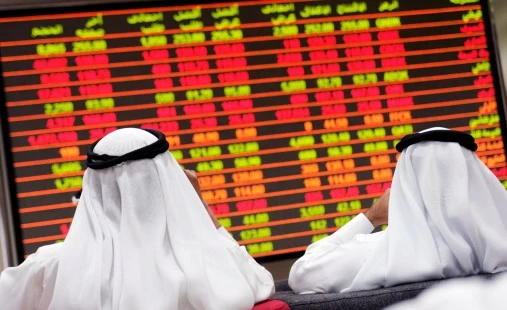

أغلقت أسواق الأسهم في منطقة الخليج العربي تداولاتها اليوم على تباين ملحوظ، في ظل حالة من الترقب والحذر تسيطر على أوساط المستثمرين. ويأتي هذا التباين وسط انتظار الأسواق لتوضيحات حاسمة بشأن التقارير المتعلقة بمحادثات وقف إطلاق النار بين الولايات المتحدة الأمريكية وإيران. وقد تصاعدت حدة التوترات الجيوسياسية بشكل كبير بعد التحذير شديد اللهجة الذي وجهه الرئيس الأمريكي دونالد ترمب لطهران، متوعداً إياها بـ «جحيم» ما لم تقم بإعادة فتح مضيق هرمز الاستراتيجي أمام حركة الملاحة الدولية.
تباين أداء أسواق الأسهم الخليجية
وفي تفاصيل الأداء المالي، سجلت أسواق دول مجلس التعاون الخليجي أداءً متفاوتاً، حيث دفعت الضبابية الجيوسياسية المستثمرين إلى التريث وتجنب المخاطرة. وانخفض المؤشر القياسي السعودي بنسبة 0.1%، في حين هبط مؤشر سوق دبي المالي الرئيسي بنسبة 0.7%، متأثراً بتراجع سهم شركة «إعمار العقارية» بنسبة 3%. وفي المقابل، شهدت أسواق أخرى أداءً إيجابياً، حيث ارتفع مؤشر أبوظبي بنسبة 0.3%، وصعد المؤشر القطري بنسبة 1.8% مدعوماً بتقدم سهم «بنك قطر الوطني» بنسبة 1.6%. كما استقر المؤشران البحريني والعماني، في حين صعد المؤشر الكويتي بنسبة 1.1%. وخارج منطقة الخليج، ارتفع مؤشر الأسهم القيادية في البورصة المصرية بنسبة 0.8%.
تأثير التوترات على أسعار النفط
وعلى صعيد أسواق الطاقة العالمية، التي تتأثر بشكل مباشر بأي توترات في منطقة الشرق الأوسط، انخفضت العقود الآجلة لخام «برنت» القياسي بنسبة 0.33%، أي ما يعادل 36 سنتاً، لتصل إلى مستوى 108.67 دولار للبرميل. ويعكس هذا التراجع الطفيف حالة من التوازن المؤقت بين المخاوف من نقص الإمدادات وبين التوقعات بتباطؤ الطلب العالمي في ظل الأزمات المتلاحقة.
الأهمية الاستراتيجية لمضيق هرمز
وتكتسب هذه التطورات أهمية كبرى بالنظر إلى الأهمية الاستراتيجية والاقتصادية لمضيق هرمز. يُعد المضيق أحد أهم الممرات المائية في العالم، حيث يمر عبره نحو خُمس استهلاك النفط العالمي يومياً. وأي تهديد بإغلاق هذا الشريان الحيوي ينذر بتداعيات خطيرة على سلاسل الإمداد العالمية، مما قد يؤدي إلى صدمات سعرية في أسواق الطاقة تؤثر على الاقتصاد العالمي بأسره. تاريخياً، لطالما استخدمت إيران التهديد بإغلاق المضيق كورقة ضغط سياسية في مواجهة العقوبات والضغوط الغربية، مما يجعل المنطقة بؤرة دائمة للتوتر الجيوسياسي الذي ينعكس فوراً على مؤشرات الأسواق المالية.
تصعيد أمريكي وموقف إيراني حازم
وكان الرئيس الأمريكي ترمب قد حذر في منشور عبر وسائل التواصل الاجتماعي، تزامناً مع يوم عيد القيامة، من أنه سيأمر بشن هجمات عسكرية تستهدف البنية التحتية الإيرانية، بما في ذلك محطات الطاقة والجسور، بحلول الغد، إذا لم تستجب طهران لمطلب فتح الممر المائي الاستراتيجي. وتأتي هذه التهديدات في وقت حساس للغاية، حيث تلقت كل من واشنطن وطهران إطار خطة تهدف إلى إنهاء الأعمال القتالية وتخفيف حدة التصعيد.
ومع ذلك، تعقد المشهد السياسي بعدما رفضت طهران الاستجابة الفورية لمطلب إعادة فتح مضيق هرمز، وذلك كرد فعل مباشر على توعد ترمب بـ «الجحيم» إذا لم يتم التوصل إلى اتفاق نهائي بحلول نهاية يوم غد. إن هذا التصعيد المتبادل يضع أسواق المال والأعمال في المنطقة أمام سيناريوهات مفتوحة، حيث يترقب المستثمرون ما ستسفر عنه الساعات القادمة من قرارات سياسية وعسكرية قد تعيد رسم الخريطة الاقتصادية للمنطقة، وتؤثر بشكل عميق على ثقة المستثمرين وتدفقات رؤوس الأموال الأجنبية إلى الأسواق الناشئة في الشرق الأوسط.