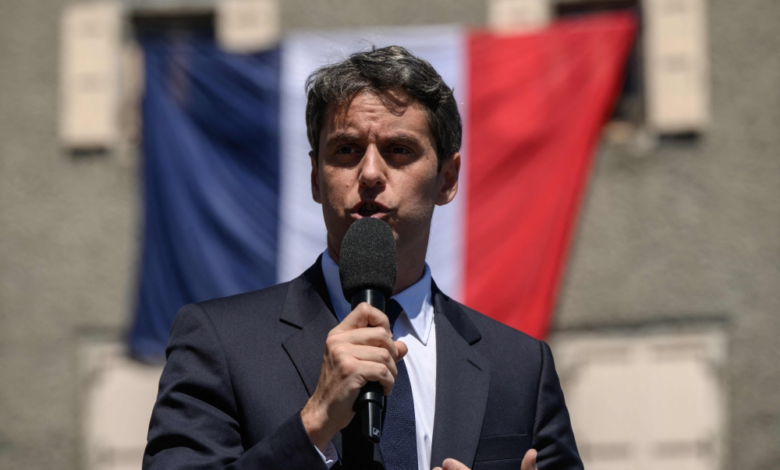

أعلن غابرييل أتال، رئيس الوزراء الفرنسي السابق والذي يُعد الأصغر سناً في تاريخ الجمهورية الخامسة، رسمياً خوضه غمار الانتخابات الرئاسية الفرنسية المقررة العام المقبل. تأتي هذه الخطوة لتجعله ثاني شخصية بارزة من تيار الوسط تعلن انخراطها في السباق الرئاسي لاختيار خليفة للرئيس الحالي إيمانويل ماكرون، في ظل تحديات سياسية غير مسبوقة ومواجهة محتدمة مع تيار اليمين المتطرف.
السياق العام والخلفية التاريخية للحدث
تأتي خطوة أتال في وقت تعيش فيه فرنسا حالة من الاستقطاب السياسي الحاد، خاصة بعد الانتخابات التشريعية المبكرة التي جرت في عام 2024 وأسفرت عن برلمان منقسم. وبموجب الدستور الفرنسي، لا يحق للرئيس إيمانويل ماكرون الترشح لولاية رئاسية ثالثة متتالية، مما فتح الباب واسعاً أمام صراع الخلافة داخل المعسكر الرئاسي وتيار الوسط. غابرييل أتال، البالغ من العمر 37 عاماً، برز كأحد أهم الوجوه الشابة في السياسة الفرنسية، حيث تدرج سريعاً من متحدث باسم الحكومة إلى وزير للتعليم، ثم رئيساً للوزراء، مما جعله يحظى بشعبية ملحوظة داخل الأوساط المعتدلة.
دوافع الترشح ومواجهة اليمين المتطرف
خلال جولة له في قرية “مور-دو-باريز” بجنوب فرنسا، صرح أتال بوضوح قائلاً: “لقد قررت الترشح للرئاسة”. وأضاف منتقداً الوضع الحالي: “لم أعد أحتمل هذا النوع من السياسة في فرنسا”، معتبراً أن الممارسة السياسية باتت تقتصر على “إدارة التدهور لا أكثر”. اختيار أتال للريف الفرنسي لإعلان ترشحه يحمل دلالات استراتيجية عميقة؛ إذ يسعى تيار الوسط إلى تعزيز حضوره في المناطق الريفية والضواحي لمواجهة الصعود القوي لحزب التجمع الوطني اليميني المتطرف.
في المقابل، يعول اليمين المتطرف على استغلال الظروف الاقتصادية والاجتماعية الحالية للوصول إلى قصر الإليزيه، سواء عبر زعيمته التاريخية مارين لوبان (57 عاماً) أو رئيس الحزب الشاب جوردان بارديلا (30 عاماً). كما يشهد السباق الرئاسي إعلانات أخرى، أبرزها ترشح رئيس الوزراء الأسبق إدوار فيليب (55 عاماً)، وهو سياسي مخضرم من يمين الوسط، بالإضافة إلى جان لوك ميلانشون (74 عاماً)، زعيم حزب فرنسا الأبية الممثل لليسار الراديكالي.
“ماكرون الصغير”.. تشابه المسارات
برز غابرييل أتال بشكل سريع ولافت على الساحة السياسية، مما دفع العديد من المراقبين ووسائل الإعلام إلى إطلاق لقب “ميني ماكرون” أو “ماكرون الصغير” عليه. يعود هذا اللقب إلى أوجه التشابه الكبيرة بين مساره ومسار ملهمه إيمانويل ماكرون، الذي أصبح في عام 2017 أصغر رئيس للجمهورية الفرنسية منذ عهد نابليون بونابرت، حيث تولى المنصب وهو في التاسعة والثلاثين من عمره. ومن المفارقات أن أتال سيبلغ 38 عاماً في شهر مارس المقبل، أي قبل شهر واحد فقط من موعد الاستحقاق الرئاسي المنتظر.
أهمية الحدث وتأثيره المتوقع محلياً ودولياً
على المستوى المحلي، يمثل ترشح أتال محاولة جادة لإعادة توحيد صفوف الوسطيين ومنع انزلاق البلاد نحو التطرف اليميني أو اليساري، مما يضمن استمرار الإصلاحات الاقتصادية والاجتماعية. أما على الصعيدين الإقليمي والدولي، فإن هوية الرئيس الفرنسي القادم تحمل أهمية بالغة؛ ففرنسا تعتبر ركيزة أساسية في الاتحاد الأوروبي وحلف شمال الأطلسي (الناتو). فوز مرشح وسطي مثل أتال يعني استمرار التزام باريس بدعم التكامل الأوروبي والمواقف الغربية الموحدة تجاه القضايا العالمية، في حين أن وصول اليمين المتطرف قد يؤدي إلى تغييرات جذرية في السياسة الخارجية الفرنسية، مما قد يزعزع استقرار التحالفات الأوروبية والدولية الحالية.