
كارثة إنسانية جديدة: فيضانات أفغانستان تحصد الأرواح
شهدت أفغانستان خلال الساعات الثماني والأربعين الماضية موجة قاسية من الطقس السيئ، حيث قضى 24 شخصاً على الأقل جراء الأمطار الغزيرة والفيضانات المدمرة التي اجتاحت عدة ولايات. وتأتي هذه الكارثة لتضيف عبئاً جديداً على كاهل البلاد التي تعاني بالفعل من أزمات إنسانية واقتصادية متلاحقة، وفقاً لما أفاد به مسؤولون إقليميون وهيئة إدارة الكوارث الوطنية.
تفاصيل الخسائر البشرية والمادية في الولايات المتضررة
تركزت الأضرار الأكبر خلال الساعات الأربع والعشرين الماضية في المناطق الشمالية والوسطى. فقد لقي 15 شخصاً حتفهم في ولاية بغلان شمالي البلاد. وفي هذا السياق، صرح فاروق أزبخلوا، المتحدث باسم محافظ ولاية بغلان، قائلاً: “قضى خمسة عشر شخصاً وأصيب العشرات بسبب الفيضانات”.
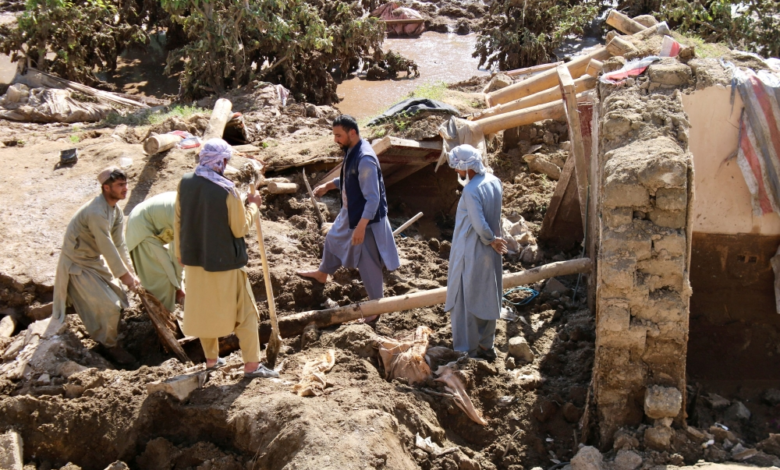
وفي ولاية بدخشان الواقعة في الشمال الشرقي، أفاد مسؤول محلي بأن شخصين لقيا مصرعهما، وأُبلغ عن فقدان اثنين آخرين، بالإضافة إلى تدمير أكثر من 100 مبنى سكني بالكامل، مما ترك عشرات العائلات بلا مأوى. كما سُجلت حالة وفاة واحدة في ولاية وردك بوسط البلاد. وإلى جانب ذلك، قضى ستة أشخاص آخرين في محافظات مختلفة يوم الخميس الماضي، لترتفع حصيلة الضحايا بشكل متسارع.
السياق الجغرافي والتاريخي للكوارث الطبيعية
تعتبر أفغانستان، بطبيعتها الجغرافية الجبلية وتضاريسها الوعرة، بيئة خصبة لحدوث الفيضانات المفاجئة والانهيارات الأرضية، خاصة خلال فصل الربيع الذي يشهد ذوبان الثلوج وتزايد معدلات هطول الأمطار. تاريخياً، عانت البنية التحتية الأفغانية من دمار واسع النطاق بسبب عقود من الصراعات والحروب، مما جعل السدود وقنوات تصريف المياه والمنازل الريفية غير قادرة على الصمود أمام الكوارث الطبيعية، وهو ما يفسر الارتفاع المستمر في أعداد الضحايا عند حدوث أي تقلبات جوية.
التغير المناخي والظواهر الجوية المتطرفة
تُعد أفغانستان واحدة من أفقر دول العالم، والمفارقة أنها من أقل الدول مساهمة في انبعاثات الغازات الدفيئة، إلا أنها تُصنف أممياً ضمن الدول العشر الأكثر عرضة لتداعيات التغير المناخي. وقد أكد الخبراء أن التغير المناخي يلعب دوراً رئيسياً في جعل الظواهر الجوية المتطرفة أكثر تواتراً وشدة في البلاد. وتتجلى هذه الحقيقة بوضوح في الإحصائيات الأخيرة، حيث شهدت أفغانستان أحوالاً جوية قاسية منذ أواخر شهر مارس الماضي. وفي شهر أبريل وحده، لقي ما لا يقل عن 148 شخصاً حتفهم وأصيب 137 آخرون بسبب الأمطار والفيضانات.
التأثير المحلي والإقليمي والتحديات الإغاثية
على الصعيد المحلي، لا تقتصر أضرار فيضانات أفغانستان على الخسائر البشرية وتدمير المنازل فحسب، بل تمتد لتشمل جرف الأراضي الزراعية وإتلاف المحاصيل، وهو ما يهدد الأمن الغذائي في بلد يعتمد اقتصاده بشكل أساسي على الزراعة. أما على الصعيد الإقليمي والدولي، فإن تكرار هذه الكوارث يزيد من موجات النزوح الداخلي ويضع ضغوطاً هائلة على وكالات الإغاثة الدولية.
وقد أوضح محمد يوسف حماد، المتحدث باسم الهيئة الوطنية لإدارة الكوارث، حجم المعاناة المستمرة، مشيراً إلى استمرار عمليات البحث والإنقاذ وسط ظروف بالغة الصعوبة. وتواجه السلطات المحلية تحديات كبيرة في تقديم الإغاثة العاجلة للمتضررين، في ظل نقص التمويل الدولي وتراجع المساعدات الإنسانية الخارجية، مما يستدعي تدخلاً عاجلاً من المجتمع الدولي لتوفير الخيام، الغذاء، والرعاية الطبية للمنكوبين.