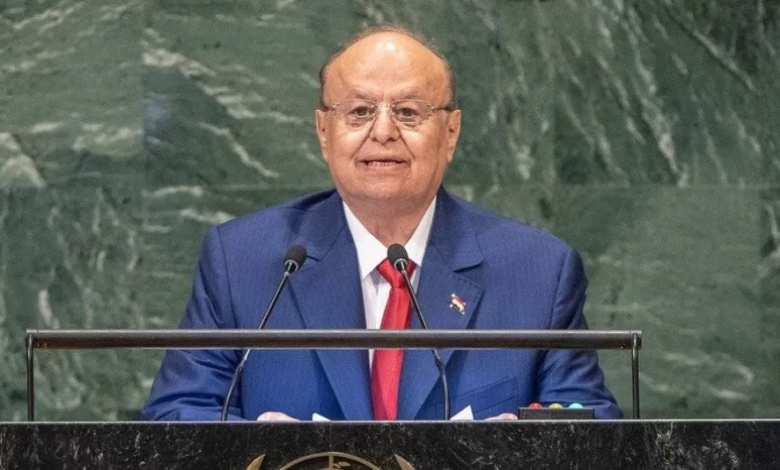

في خطوة مفاجئة أعادت تشكيل المشهد السياسي اليمني، أعلن الرئيس عبد ربه منصور هادي في أبريل 2022 نقل صلاحياته بالكامل إلى مجلس قيادة رئاسي، ليسدل بذلك الستار على مسيرة سياسية حافلة بالتحولات امتدت لعقد من الزمن، شهدت خلالها اليمن واحدة من أصعب فتراتها التاريخية. هذا القرار لم يكن مجرد وداع لشخصية سياسية، بل كان بمثابة نقطة تحول تهدف إلى توحيد الصفوف المناهضة للحوثيين وفتح آفاق جديدة للحل السياسي.
السياق التاريخي: من نائب إلى رئيس في خضم الثورة
صعد هادي إلى سدة الحكم في فبراير 2012 كرئيس توافقي، خلفًا للرئيس الراحل علي عبد الله صالح، وذلك بموجب المبادرة الخليجية التي هدفت إلى إنهاء ثورة شعبية عارمة اندلعت في 2011 ضمن موجة “الربيع العربي”. جاء انتخابه كمرشح وحيد في انتخابات شكلية بهدف قيادة مرحلة انتقالية لمدة عامين، يتم خلالها إطلاق حوار وطني شامل وصياغة دستور جديد للبلاد. كانت الآمال معقودة على أن يقود هادي اليمن نحو مستقبل أكثر استقرارًا وديمقراطية، لكن مساره كان محفوفًا بالتحديات منذ اليوم الأول.
رئاسة في قلب العاصفة: تحديات وأزمات متلاحقة
واجهت فترة حكم هادي تحديات جسيمة، تمثلت في تنامي نفوذ تنظيم القاعدة في شبه الجزيرة العربية، وتصاعد الحراك الانفصالي في الجنوب، والأهم من ذلك، التوسع العسكري لجماعة الحوثيين (أنصار الله). بلغ الصراع ذروته في سبتمبر 2014 عندما سيطر الحوثيون على العاصمة صنعاء، وفرضوا الإقامة الجبرية على الرئيس هادي في أوائل 2015. تمكن هادي من الفرار لاحقًا إلى عدن، التي أعلنها عاصمة مؤقتة، ومنها طلب تدخلًا عسكريًا من دول التحالف العربي بقيادة المملكة العربية السعودية، وهو ما حدث بالفعل في مارس 2015، لتدخل اليمن في أتون حرب أهلية مدمرة ومستمرة حتى اليوم.
أهمية الحدث وتأثيره المتوقع
جاء قرار نقل السلطة إلى مجلس القيادة الرئاسي، الذي يضم شخصيات تمثل مختلف القوى المناهضة للحوثيين، كخطوة استراتيجية ذات أبعاد متعددة:
- على الصعيد المحلي: كان الهدف الأساسي هو رأب الصدع وتوحيد الفصائل المتنافسة ضمن المعسكر الحكومي، مثل المجلس الانتقالي الجنوبي وقوات طارق صالح، تحت مظلة قيادية واحدة. كان يُعتقد أن هذا التوحيد سيعزز الموقف العسكري والتفاوضي للحكومة المعترف بها دوليًا في أي محادثات سلام مستقبلية.
- على الصعيد الإقليمي: عكس القرار تحولًا في استراتيجية التحالف العربي، وخاصة السعودية والإمارات، نحو البحث عن هيكل قيادي أكثر تماسكًا وفعالية يمكنه إدارة الصراع بشكل أفضل، وربما تمهيد الطريق لتسوية سياسية. وقد تزامن الإعلان مع حزمة دعم اقتصادي كبيرة قدمتها الدولتان للمجلس الجديد.
- على الصعيد الدولي: لاقى تشكيل المجلس الرئاسي ترحيبًا واسعًا من قبل الأمم المتحدة والولايات المتحدة والقوى الدولية الأخرى، التي اعتبرته خطوة إيجابية ومهمة نحو إنهاء الحرب. يُنظر إلى المجلس كهيئة أكثر تمثيلاً يمكنها الانخراط بجدية في مفاوضات السلام التي ترعاها الأمم المتحدة.
في الختام، يمثل رحيل هادي عن المشهد نهاية فصل معقد من تاريخ اليمن، وبداية فصل جديد لا تزال ملامحه غير واضحة. يبقى إرثه مرتبطًا بمرحلة انتقالية لم تكتمل، وحرب دمرت البلاد، لكن قراره الأخير بإنشاء مجلس القيادة الرئاسي قد يفتح الباب أمام فرصة، وإن كانت محفوفة بالمخاطر، لإعادة بناء الدولة وتحقيق السلام المنشود.