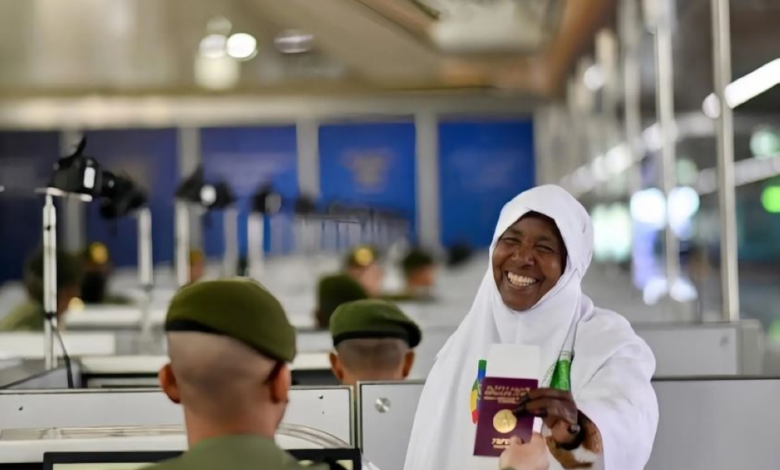

مع اقتراب موسم الحج لعام 1445هـ، بدأت المملكة العربية السعودية في استقبال طلائع ضيوف الرحمن القادمين من مختلف أنحاء العالم. وفي هذا السياق، استقبلت جوازات مطار الأمير محمد بن عبدالعزيز الدولي بالمدينة المنورة أولى رحلات الحجاج القادمين من جمهورية إثيوبيا، حيث تم إنهاء إجراءات دخولهم بكل يسر وسهولة، وسط منظومة متكاملة من الخدمات التي تهدف إلى توفير أقصى درجات الراحة والطمأنينة لهم منذ لحظة وصولهم.
خلفية تاريخية وسياق عام
تُعد فريضة الحج الركن الخامس من أركان الإسلام، وهي رحلة إيمانية يتوق إليها المسلمون من كل فج عميق. وتولي المملكة العربية السعودية، بصفتها حاضنة الحرمين الشريفين، أهمية قصوى لتنظيم هذا الحدث العالمي. وتستثمر المملكة سنوياً موارد ضخمة لتطوير البنية التحتية والخدمات اللوجستية والأمنية والصحية لضمان سلامة وراحة الملايين من الحجاج. ويرتبط وصول الحجاج من إثيوبيا بتاريخ إسلامي عريق، حيث كانت الحبشة (إثيوبيا حالياً) أول أرض هاجر إليها المسلمون الأوائل بأمر من النبي محمد صلى الله عليه وسلم، مما يضفي على قدومهم بعداً تاريخياً وروحانياً خاصاً.
استعدادات متكاملة وتسهيلات متطورة
أكدت المديرية العامة للجوازات جاهزيتها التامة لاستقبال حجاج بيت الله الحرام لموسم حج هذا العام، مشيرة إلى تسخير كافة إمكاناتها لدعم منصاتها في المنافذ الدولية، سواء الجوية أو البرية أو البحرية. وقد تم تجهيز هذه المنافذ بأحدث الأجهزة التقنية التي تساهم في تسريع إنهاء إجراءات الدخول. ويعمل على هذه الأجهزة كوادر بشرية مؤهلة ومدربة، تتحدث لغات متعددة لتسهيل التواصل مع ضيوف الرحمن القادمين من ثقافات وخلفيات متنوعة، مما يعكس الجهود المبذولة في إطار “مبادرة طريق مكة” التي تهدف إلى إنهاء إجراءات الحجاج من بلدانهم.
الأهمية والتأثير المتوقع
على الصعيد المحلي، يمثل نجاح تنظيم موسم الحج ركيزة أساسية في رؤية المملكة 2030، التي تهدف إلى تحسين تجربة الحج والعمرة ورفع جودة الخدمات المقدمة. أما على الصعيدين الإقليمي والدولي، فإن هذا التجمع الإسلامي السنوي يعزز أواصر الأخوة والوحدة بين المسلمين حول العالم، ويشكل منصة فريدة للتبادل الثقافي والحضاري. كما أن الإدارة الناجحة لهذه الحشود المليونية تعزز من مكانة المملكة كقائدة للعالم الإسلامي، وتبرز قدرتها التنظيمية الفائقة على إدارة أكبر التجمعات البشرية في العالم بكفاءة واقتدار، مما يرسخ صورتها كوجهة آمنة ومرحبة بضيوفها من كل مكان.