
أعلن الدكتور عبدالله المسند، أستاذ المناخ بجامعة القصيم (سابقاً) ونائب رئيس جمعية الطقس والمناخ السعودية، عن توقعات فلكية ومناخية طويلة الأمد تشير إلى تحول كبير في توقيت موسم الحج، حيث من المنتظر أن يدخل فريضة الحج فصل الشتاء بدءاً من عام 1454هـ، ليستمر في هذا الفصل لمدة تقارب 9 سنوات متتالية.
السياق العلمي وراء تبدل فصول الحج
يعتمد هذا التغير الدوري في توقيت الحج على الفارق بين التقويم الهجري القمري والتقويم الميلادي الشمسي. فالسنة الهجرية أقصر من السنة الميلادية بحوالي 11 يوماً، مما يؤدي إلى “هجرة” المناسبات الإسلامية، ومنها الحج، عبر فصول السنة الأربعة في دورة كاملة تستغرق حوالي 33 عاماً. هذا التراجع السنوي هو ما يجعل المسلمين في جميع أنحاء العالم يختبرون أداء فريضة الحج في ظروف مناخية مختلفة تماماً على مدار حياتهم، من صيف شديد الحرارة إلى شتاء بارد وممطر.
من حرارة الصيف إلى اعتدال الشتاء
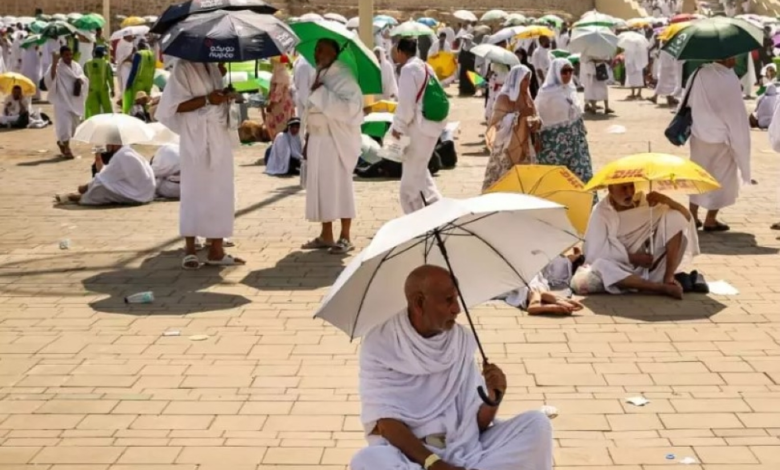
شهدت السنوات الأخيرة وقوع موسم الحج في ذروة فصل الصيف، حيث سجلت درجات حرارة قياسية في مكة المكرمة والمشاعر المقدسة، مما شكل تحدياً كبيراً للحجاج والسلطات السعودية على حد سواء. وقد تطلب ذلك جهوداً تنظيمية وصحية هائلة للتخفيف من آثار الإجهاد الحراري وضربات الشمس. ومع اقتراب الدورة المناخية من نهايتها، يبشر التحول القادم نحو فصلي الخريف ثم الشتاء بظروف أكثر اعتدالاً وراحة لضيوف الرحمن.
التوقيت الزمني لمرحلة الحج الشتوية
وفقاً لتحليل الدكتور المسند، الذي استند إلى بيانات تمتد لـ 54 عاماً، فإن أول دخول لموسم الحج في نطاق فصل الشتاء سيكون في عام 1454هـ، حيث سيوافق يوم عيد الأضحى المبارك تاريخ 11 مارس 2033م. وأضاف أن الحج سيستمر ضمن فصل الشتاء لعدة أعوام متتالية، ليخرج منه بعد عام 1461هـ (الموافق 26 ديسمبر 2039م)، وينتقل بعدها إلى فصل الخريف. وأشار إلى أن الدورة ستكتمل ليعود الحج مجدداً إلى الشتاء في عام 1487هـ.
الأهمية والتأثيرات المتوقعة
يحمل هذا التحول المناخي أهمية كبرى على مختلف الأصعدة. فعلى المستوى الإنساني، سيؤدي انخفاض درجات الحرارة إلى تقليل المخاطر الصحية بشكل كبير، خاصة على كبار السن وأصحاب الأمراض المزمنة، مما يجعل تجربة الحج أكثر يسراً وأماناً. أما على المستوى التنظيمي، فإن هذه التوقعات تمنح الجهات المعنية في المملكة العربية السعودية فرصة للتخطيط الاستراتيجي طويل الأمد، حيث يمكن تكييف البنية التحتية والخدمات اللوجستية والطبية لتتناسب مع متطلبات الحج في طقس معتدل أو بارد، والذي قد يتضمن الاستعداد لهطول الأمطار بدلاً من التركيز الكلي على أنظمة التبريد والتهوية.
إن فهم هذه الدورات المناخية والفلكية لا يساعد فقط في تحسين تجربة الحجاج، بل يعزز أيضاً من قدرة المملكة على إدارة أحد أكبر التجمعات البشرية في العالم بكفاءة ومرونة، مما يجسد التكامل بين العلم والتخطيط لخدمة الشعائر الدينية.