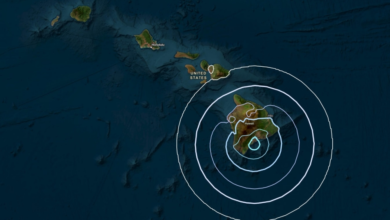

ضرب زلزال بلغت قوته 5.7 درجة على مقياس ريختر، اليوم، دولة بابوا غينيا الجديدة، وهي إحدى أكثر المناطق نشاطًا زلزاليًا في العالم. وعلى الرغم من قوة الهزة، لم ترد تقارير فورية عن وقوع خسائر بشرية أو أضرار مادية جسيمة، مما جلب الصعداء للسكان والسلطات المحلية.
السياق الجيولوجي: بابوا غينيا الجديدة في قلب حزام النار
تقع بابوا غينيا الجديدة في منطقة تُعرف بـ “حزام النار في المحيط الهادئ”، وهي منطقة تمتد على شكل قوس وتشتهر بنشاطها الزلزالي والبركاني المرتفع. هذه المنطقة هي نتيجة مباشرة لحركة الصفائح التكتونية، حيث تقع الدولة عند نقطة التقاء صفيحة المحيط الهادئ والصفيحة الأسترالية. يؤدي هذا التصادم المستمر إلى تراكم هائل للضغط في قشرة الأرض، والذي يتم إطلاقه بشكل دوري على هيئة زلازل، بعضها يكون مدمرًا. وبسبب هذا الموقع الجغرافي، تشهد البلاد مئات الهزات الأرضية سنويًا، معظمها خفيف، لكنها معرضة باستمرار لخطر الزلازل الكبرى.
تفاصيل الهزة الأرضية وتأثيرها المحدود
أفاد مركز أبحاث علوم الجيولوجيا الألماني (GFZ) أن مركز الزلزال وقع على عمق ضحل نسبيًا يبلغ 10 كيلومترات تحت سطح الأرض. وتعتبر الزلازل الضحلة أكثر خطورة عادةً لأن طاقتها تصل إلى السطح بقوة أكبر، مما يزيد من شدة الاهتزازات واحتمالية وقوع أضرار. ومع ذلك، يبدو أن موقع الزلزال، الذي كان على الأرجح بعيدًا عن المراكز السكانية الكبرى، قد ساهم في الحد من تأثيره. ولم تصدر السلطات أي تحذير من حدوث موجات تسونامي، حيث إن قوة الزلزال لم تكن كافية لإحداث اضطراب كبير في مياه المحيط.
الأهمية والتأثير المتوقع للحدث
على الصعيد المحلي، يُعد هذا الزلزال تذكيرًا دائمًا للسكان بضرورة الاستعداد واليقظة. ففي بلد ذي تضاريس جبلية وعرة، يمكن للزلازل متوسطة القوة أن تتسبب في انهيارات أرضية خطيرة، مما قد يؤدي إلى عزل القرى وتدمير البنية التحتية. أما على الصعيدين الإقليمي والدولي، فإن كل زلزال في هذه المنطقة يمثل فرصة للعلماء ومراكز الرصد العالمية لجمع بيانات قيمة تساعد في فهم ديناميكيات الصفائح التكتونية بشكل أفضل، وتطوير نماذج أكثر دقة للتنبؤ بالمخاطر الزلزالية. ورغم عدم وجود خسائر هذه المرة، يظل الحدث مؤشرًا على استمرار النشاط الجيولوجي الذي يشكل تهديدًا كامنًا للمنطقة بأكملها.