
مقدمة: اليمن في عين العاصفة الإقليمية
تتصاعد التحذيرات الدولية والأممية من التكلفة الباهظة التي قد يتكبدها اليمن نتيجة الانخراط المتزايد في الصراع الإقليمي وتوترات البحر الأحمر. وفي ظل التصعيد المستمر، يرى المراقبون أن اليمن، الذي يعاني بالفعل من أزمة إنسانية واقتصادية خانقة، قد يكون الضحية الأكبر لتوسع دائرة الصراع في منطقة الشرق الأوسط، مما يهدد بتعميق جراح شعبه الذي أنهكته الحروب.
السياق العام والخلفية التاريخية للأزمة اليمنية
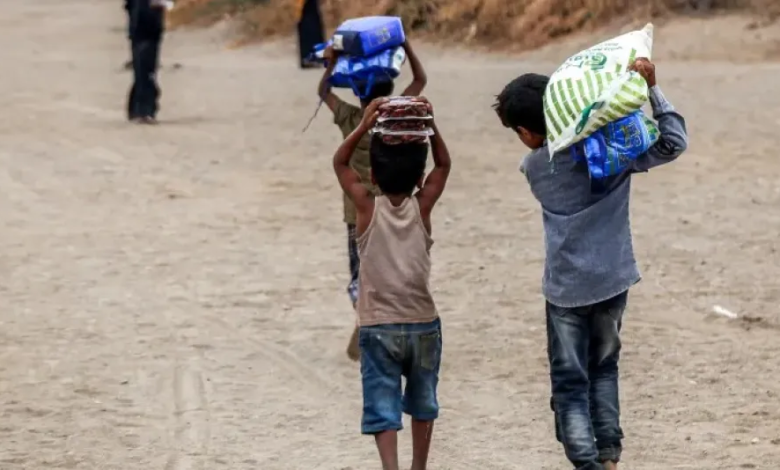
يعيش اليمن منذ أواخر عام 2014 صراعاً داخلياً مدمراً بعد سيطرة جماعة الحوثي على العاصمة صنعاء ومناطق واسعة من البلاد، مما استدعى تدخلاً عسكرياً إقليمياً في عام 2015. على مدار عقد من الزمان، دُمرت البنية التحتية الأساسية، وانهار الاقتصاد المحلي، وبات أكثر من ثلثي السكان بحاجة ماسة إلى المساعدات الإنسانية للبقاء على قيد الحياة. وقد وصفت الأمم المتحدة الأزمة في اليمن مراراً بأنها واحدة من أسوأ الأزمات الإنسانية في العالم في العصر الحديث.
تأثير الصراع الإقليمي وتوترات البحر الأحمر
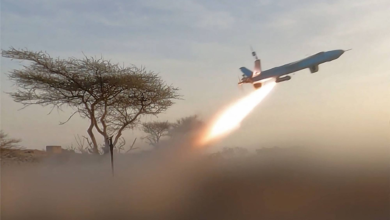
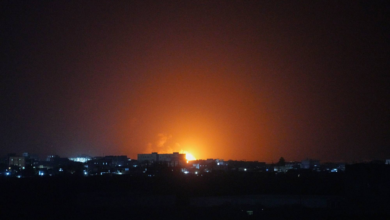
مع اندلاع الحرب في قطاع غزة في أكتوبر 2023، اتخذ الصراع بُعداً إقليمياً جديداً وخطيراً. فقد بدأت جماعة الحوثي بشن هجمات متكررة على السفن التجارية في البحر الأحمر ومضيق باب المندب، مما دفع الولايات المتحدة وبريطانيا إلى تشكيل تحالف بحري دولي وتوجيه ضربات عسكرية لأهداف داخل الأراضي اليمنية. هذا التصعيد العسكري المتبادل يضع اليمن في قلب مواجهة دولية وإقليمية معقدة، مما يهدد بنسف الجهود الأممية التي كانت تسعى لإرساء خارطة طريق للسلام الشامل في البلاد.
التداعيات الاقتصادية والإنسانية المتوقعة
يحذر الخبراء الاقتصاديون والمنظمات الدولية من تداعيات كارثية على الداخل اليمني، وتتمثل أبرز هذه التداعيات في النقاط التالية:
- ارتفاع تكاليف الشحن والتأمين: أدى استهداف السفن التجارية إلى ارتفاع حاد في تكاليف التأمين والشحن البحري، مما ينعكس مباشرة وبشكل سلبي على أسعار السلع الأساسية المستوردة، علماً بأن اليمن يعتمد على الاستيراد لتغطية أكثر من 90% من احتياجاته الغذائية.
- تعطيل المساعدات الإغاثية: التوترات العسكرية في الممرات المائية الحيوية تعرقل وصول سلاسل الإمداد والمساعدات الإنسانية التي تقدمها المنظمات الدولية لملايين الجوعى والنازحين.
- انهيار العملة المحلية: تزايد الضغوط على الاقتصاد اليمني الهش والمقسوم يؤدي إلى مزيد من التدهور في قيمة الريال اليمني، مما يضاعف من معدلات التضخم ويزيد من معاناة المواطنين اليومية.
التأثير السياسي ومستقبل عملية السلام
على الصعيد السياسي، أدى الانخراط اليمني في الصراع الإقليمي إلى تجميد مساعي السلام التي تقودها الأمم المتحدة. فبعد أن كانت الأطراف اليمنية قاب قوسين أو أدنى من التوقيع على اتفاق لوقف إطلاق النار وصرف المرتبات وفتح الطرقات، تراجعت هذه الجهود لصالح التركيز الدولي على تأمين الملاحة البحرية ومكافحة التهديدات الجديدة. إن استمرار هذا الوضع يهدد بإطالة أمد الحرب الداخلية ويقوض أي فرص قريبة للاستقرار السياسي وإعادة الإعمار.
خلاصة
في الختام، تؤكد التحذيرات الدولية المتواترة أن اليمن لا يستطيع تحمل تبعات حرب إقليمية جديدة أو تصعيد عسكري واسع النطاق. إن المجتمع الدولي مطالب اليوم أكثر من أي وقت مضى بتكثيف جهوده الدبلوماسية لاحتواء التصعيد في البحر الأحمر والشرق الأوسط، والعمل بالتوازي على إنقاذ مسار السلام اليمني، وتوفير الدعم الإنساني والاقتصادي العاجل لتجنيب ملايين اليمنيين كارثة محققة لا تحمد عقباها.