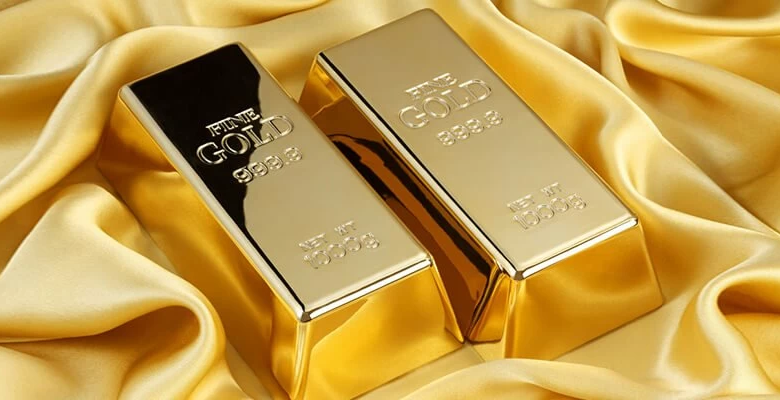

Gold prices saw a notable decline in global markets, with the precious metal relinquishing some of its recent gains driven by geopolitical tensions. This drop comes amid cautious anticipation among investors ahead of the Federal Reserve's (the US central bank) monetary policy decision, as well as market assessments of the prospects for de-escalation in the Middle East.
In trading details, gold futures for June delivery fell by nearly 2%, losing about $45 to settle at $2,318.40 an ounce, after hitting lower levels during the session. This decline follows a strong rally that propelled gold to historic highs in recent weeks.
General context: The inverse relationship with interest rates
Historically, gold has been considered a safe haven for investors during times of economic and political uncertainty. However, its price is significantly influenced by monetary policy, particularly in the United States. There is an inverse relationship between gold prices and interest rates; when the Federal Reserve raises interest rates, the opportunity cost of holding non-yielding gold increases, prompting investors to seek other interest-bearing assets such as government bonds. Investors widely expect the Fed to keep interest rates unchanged at its current meeting, but they will be closely watching Chairman Jerome Powell's remarks for any clues about the future path of interest rates and when they might begin to be cut.
The impact of geopolitical tensions and the importance of the event
Escalating tensions in the Middle East have been a major driver of recent gold price increases, as demand for the precious metal as a safe haven asset has risen. Any signs of de-escalation or a reduction in tensions in the region lower the “risk premium” added to the price of gold, leading to profit-taking by investors. This development has both regional and international implications. Regionally, stable gold prices impact retail markets in Arab countries, which experience high demand for gold jewelry. Internationally, the decline in prices reflects a shift in risk appetite among major investors and global financial institutions.
Other precious metals and central bank holdings
Gold wasn't the only metal to decline; other precious metals followed suit. Silver futures fell 1.25% to $26.815 an ounce. Platinum futures dropped 2.55% to $959.30, and palladium declined 2% to $960.50. Despite this short-term pullback, data from the World Gold Council revealed a long-term trend supporting the yellow metal, with central bank gold holdings rising at their fastest pace in the first quarter of this year. Net purchases reached 290 tons, confirming continued confidence in gold as a strategic reserve asset, with countries like China, Turkey, and India leading the list of buyers.