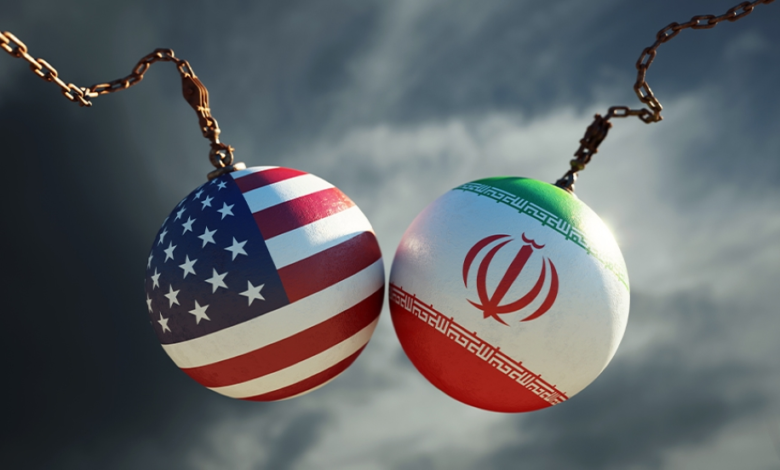

في تصعيد جديد للخطاب السياسي بين طهران وواشنطن، أعلنت إيران أنها وضعت الولايات المتحدة أمام خيارين لا ثالث لهما لتحديد مسار العلاقات في المستقبل: إما سلوك طريق التسوية الدبلوماسية، أو العودة إلى مربع المواجهة العسكرية. وأكدت طهران جاهزيتها التامة للتعامل مع كلا السيناريوهين، مشيرة إلى أن القرار النهائي بات في يد الإدارة الأمريكية.
خلفية تاريخية من التوتر
تأتي هذه التصريحات في خضم توترات تاريخية معقدة بين البلدين، تمتد لعقود منذ الثورة الإسلامية عام 1979. وشهدت العلاقات فترات من المد والجزر، كان أبرزها التوصل إلى الاتفاق النووي (خطة العمل الشاملة المشتركة) عام 2015، الذي هدف إلى تقييد برنامج إيران النووي مقابل رفع العقوبات الدولية. إلا أن انسحاب الولايات المتحدة أحادي الجانب من الاتفاق في عام 2018 في عهد إدارة ترامب وإعادة فرض سياسة “الضغوط القصوى” أعاد العلاقات إلى نقطة الصفر، ودفع إيران إلى التراجع تدريجياً عن التزاماتها النووية، مما زاد من المخاوف الدولية.
تفاصيل العرض الإيراني
أوضح كاظم غريب آبادي، نائب وزير الخارجية الإيراني، خلال لقائه مع سفراء ورؤساء البعثات الدبلوماسية في طهران، أن بلاده قدمت مقترحاً عبر وسيط باكستاني يهدف إلى إنهاء ما وصفه بـ”الحرب المفروضة” بشكل دائم. وأضاف أن الكرة الآن في ملعب واشنطن لاختيار مسار الدبلوماسية أو الاستمرار في نهج التصعيد. وأكد المسؤول الإيراني أن الهدف الأسمى لطهران هو حماية مصالحها الوطنية وتعزيز أمنها القومي، وأنها لن تتردد في اتخاذ الإجراءات اللازمة لتحقيق ذلك.
الأهمية والتأثيرات المحتملة
لا يقتصر تأثير هذا الخيار المصيري على العلاقات الثنائية فحسب، بل يمتد ليؤثر على استقرار منطقة الشرق الأوسط بأكملها. فاختيار مسار الدبلوماسية قد يساهم في تهدئة الصراعات الإقليمية التي تلعب فيها إيران دوراً محورياً، مثل الأوضاع في اليمن وسوريا ولبنان والعراق. أما خيار المواجهة العسكرية، فيُنذر بعواقب وخيمة قد تشعل حرباً إقليمية واسعة، وتهدد أمن الملاحة في مضيق هرمز الاستراتيجي، الذي يمر عبره جزء كبير من إمدادات النفط العالمية، مما سيؤدي إلى اضطرابات هائلة في أسواق الطاقة العالمية. على الصعيد الدولي، تراقب القوى الكبرى مثل روسيا والصين والاتحاد الأوروبي هذا التطور عن كثب، حيث إن نجاح الدبلوماسية سيمثل انتصاراً لجهود منع الانتشار النووي، بينما قد يؤدي التصعيد إلى إعادة تشكيل التحالفات الجيوسياسية في المنطقة والعالم.