
مقدمة عن أمن الطاقة في الخليج العربي
يُعد موضوع استهداف إيراني لمنشآت طاقة خليجية من أبرز القضايا التي تثير قلق المجتمع الدولي، نظراً لما تمثله منطقة الخليج العربي من أهمية استراتيجية واقتصادية بالغة. إن أي تهديد أو هجوم يطال البنية التحتية للطاقة في هذه المنطقة الحيوية لا ينعكس فقط على الدول المعنية، بل يمتد ليضرب عصب الاقتصاد العالمي الذي يعتمد بشكل كبير على إمدادات النفط والغاز المستقرة.
الخلفية التاريخية للتوترات واستهداف منشآت الطاقة
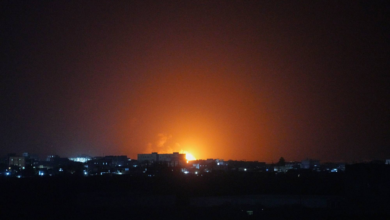
تاريخياً، شهدت منطقة الخليج العربي عدة حوادث وتوترات أثرت على أمن الطاقة. من أبرز هذه الأحداث الهجمات التي وقعت في عام 2019 على منشأتي بقيق وخريص التابعتين لشركة أرامكو السعودية. وقد وجهت العديد من الدول والتقارير الاستخباراتية الدولية أصابع الاتهام نحو إيران أو الجماعات المدعومة منها بالوقوف خلف هذا الهجوم المعقد الذي استخدمت فيه طائرات مسيرة وصواريخ كروز. أدى ذلك الهجوم في حينه إلى توقف مؤقت لحوالي نصف إنتاج المملكة العربية السعودية من النفط، وهو ما يعادل نحو 5% من الإمدادات العالمية، مما أثبت هشاشة أسواق الطاقة أمام التهديدات الجيوسياسية.
إلى جانب ذلك، لطالما كانت الممرات المائية الاستراتيجية، وعلى رأسها مضيق هرمز، مسرحاً للتوترات. فقد تعرضت عدة ناقلات نفط تجارية لعمليات تخريب واحتجاز، مما زاد من تكاليف التأمين والشحن وأبقى أسواق الطاقة في حالة ترقب مستمر لأي تصعيد محتمل.
التأثيرات المحلية والإقليمية لأي استهداف إيراني لمنشآت طاقة خليجية
على الصعيد المحلي والإقليمي، يفرض أي استهداف إيراني لمنشآت طاقة خليجية تحديات أمنية واقتصادية جسيمة. فمن الناحية الاقتصادية، تعتمد ميزانيات دول مجلس التعاون الخليجي بشكل رئيسي على العوائد النفطية، وأي تعطيل للإنتاج أو التصدير يؤثر مباشرة على خطط التنمية والمشاريع الوطنية. أما من الناحية الأمنية، فإن هذه التهديدات تدفع دول المنطقة إلى زيادة الإنفاق العسكري وتعزيز أنظمة الدفاع الجوي المتقدمة لحماية بنيتها التحتية الحيوية، بالإضافة إلى تعزيز التعاون الأمني المشترك بين دول الخليج لدرء المخاطر.
التداعيات الدولية والتأثير على الاقتصاد العالمي
لا يقتصر تأثير استهداف منشآت الطاقة الخليجية على النطاق الإقليمي، بل يمتد ليخلق أزمات عالمية. يمر عبر مضيق هرمز نحو خمس الاستهلاك العالمي من النفط يومياً، بالإضافة إلى كميات ضخمة من الغاز الطبيعي المسال. إن أي تصعيد يؤدي إلى استهداف إيراني لمنشآت طاقة خليجية أو إغلاق للممرات المائية سيؤدي حتماً إلى قفزات جنونية في أسعار الطاقة. هذا الارتفاع ينعكس فوراً على معدلات التضخم العالمية، ويزيد من تكاليف الإنتاج والنقل في الدول الصناعية الكبرى، مما قد يهدد بدخول الاقتصاد العالمي في حالة من الركود.
أهمية التحالفات الدولية لحماية أمن الطاقة
أمام هذه التحديات، تبرز أهمية التحالفات الدولية والشراكات الاستراتيجية لضمان حرية الملاحة وحماية البنية التحتية للطاقة. وقد سعت الولايات المتحدة الأمريكية والدول الأوروبية، بالتعاون مع الحلفاء الإقليميين، إلى تشكيل تحالفات بحرية لتعزيز المراقبة وتأمين السفن التجارية. إن استقرار منطقة الخليج العربي ليس مجرد شأن إقليمي، بل هو ضرورة حتمية لاستقرار النظام العالمي بأسره، مما يستدعي جهوداً دبلوماسية وأمنية متواصلة لمنع أي تصعيد قد يؤدي إلى استهداف إيراني لمنشآت طاقة خليجية في المستقبل.