
تطورات حركة الملاحة في مضيق هرمز
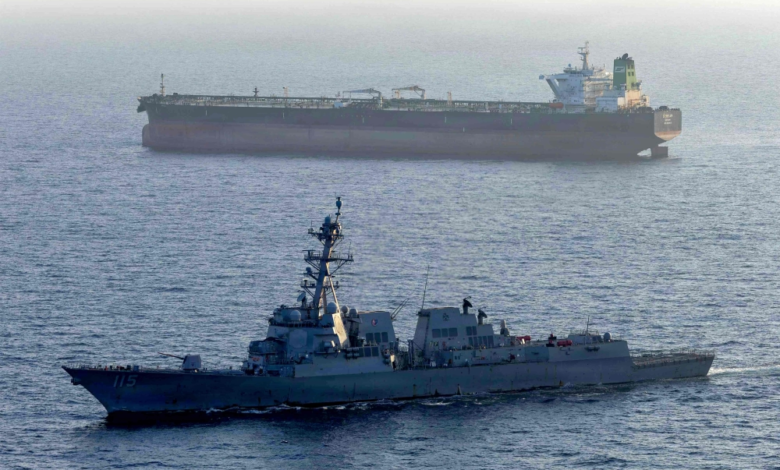
شهدت حركة الملاحة في مضيق هرمز ارتفاعاً طفيفاً خلال الأسبوع الماضي، حيث اقتربت الأرقام من المتوسط المعتاد الذي تم تسجيله في ظل التوترات والنزاعات المندلعة في منطقة الشرق الأوسط. ووفقاً لأحدث البيانات الصادرة عن شركة “كبلر” (Kpler) المتخصصة في تتبع حركة الشحن البحري، عبرت ما مجموعه 55 سفينة تجارية وناقلة هذا الممر المائي الاستراتيجي في الفترة ما بين 11 و17 مايو. يمثل هذا الرقم زيادة ملحوظة مقارنة بالأسبوع الذي سبقه، والذي شهد عبور 19 سفينة فقط، وهو ما كان يُعد العدد الأدنى منذ تصاعد التوترات الإقليمية أواخر شهر فبراير الماضي.
الأهمية الاستراتيجية والتاريخية لمضيق هرمز
تكتسب حركة الملاحة في هذا المضيق أهمية بالغة على الصعيدين الإقليمي والدولي. تاريخياً، يُعتبر مضيق هرمز الشريان الرئيسي لتدفق إمدادات الطاقة العالمية، حيث يربط بين الخليج العربي وخليج عُمان وبحر العرب. ويمر عبر هذا المضيق الحيوي نحو خُمس إنتاج النفط العالمي في أوقات السلم، أي ما يقارب 21 مليون برميل يومياً، بالإضافة إلى كميات ضخمة من الغاز الطبيعي المسال. إن أي اضطراب في هذا الممر ينعكس فوراً على أسواق الطاقة العالمية، مما يؤدي إلى تذبذب أسعار النفط والتأثير المباشر على معدلات التضخم والاقتصاد العالمي ككل، وهو ما يمنح الدول المطلة عليه أوراق ضغط جيوسياسية هامة.
إحصائيات العبور وتفاصيل الحمولات
أشارت التقارير الرسمية إلى أن الحرس الثوري الإيراني سمح بمرور عدد أكبر من السفن مؤخراً. ومنذ الأول من شهر مارس، سجلت منصة “كبلر” عبور 663 سفينة سلع عبر المضيق، بمتوسط يبلغ حوالي 55 سفينة أسبوعياً. وقد شكلت الناقلات التي تحمل السوائل، بما في ذلك ناقلات النفط العملاقة، نحو نصف عدد السفن العابرة خلال الأسبوع الماضي، وكانت معظمها متجهة نحو الأسواق الآسيوية الكبرى مثل الصين، واليابان، بالإضافة إلى سلطنة عُمان.
علاوة على ذلك، أظهرت البيانات عبور 15 سفينة محملة بالبضائع الجافة، و16 ناقلة غاز نفطي مسال خلال نفس الفترة. وفيما يخص الغاز الطبيعي المسال، سُجل عبور ناقلة واحدة فقط في 12 مايو، كانت تحمل الغاز القطري باتجاه باكستان، ليصل بذلك إجمالي عدد ناقلات الغاز الطبيعي المسال التي عبرت هرمز منذ بداية التوترات الأخيرة إلى 8 ناقلات فقط.
القيود الإيرانية والتداعيات الاقتصادية
تفرض طهران قيوداً صارمة على حركة المرور في مضيق هرمز، مما يتسبب في اضطراب الأسواق العالمية ويمنحها ورقة مساومة أساسية في النزاعات. وفي المقابل، فرضت الولايات المتحدة الأمريكية حصاراً على الموانئ الإيرانية للحد من قدرتها التجارية، وذلك رغم محاولات التهدئة ووقف إطلاق النار التي تمت بوساطة باكستانية ودخلت حيز التنفيذ في 8 أبريل. وقد حذرت السلطات الإيرانية مراراً من أن حركة الملاحة لن تعود إلى مستوياتها الطبيعية السابقة، بل وأعلن المجلس الأعلى للأمن القومي في إيران عن تشكيل هيئة جديدة لإدارة المضيق وفرض رسوم عبور على السفن التجارية.
تأثير جنسيات السفن على مسارات العبور
في ظل هذه التعقيدات، أصبحت حركة الملاحة تعتمد بشكل كبير على جنسية السفن العابرة. فقد أعلنت طهران أن الدول التي تلتزم بالعقوبات الأمريكية ستواجه صعوبات في عبور المضيق. ونتيجة لذلك، سُمح بعبور السفن الصينية بسلاسة، حيث عبرت 3 سفن مرتبطة بالصين وسفينتان مسجلتان في هونج كونج متجهتان إلى الإمارات وعُمان. وتتصدر دول مثل الصين، والهند، والبرازيل، وباكستان، وتايلاند، وماليزيا قائمة الوجهات الرئيسية للسفن العابرة، في حين تراجع بشكل ملحوظ عدد السفن المتجهة إلى الدول الغربية، مما يعكس تحولاً استراتيجياً في خريطة التجارة البحرية العالمية، رغم أن بعض السفن قد لا تفصح عن وجهتها النهائية أثناء العبور.