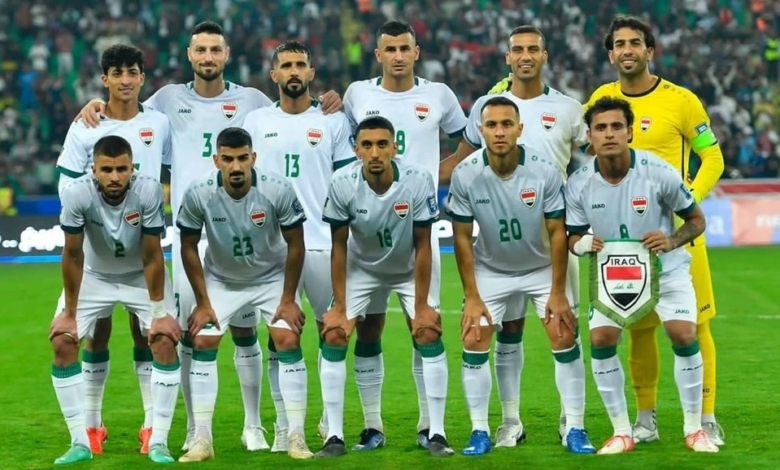

حسم الاتحاد العراقي لكرة القدم الجدل الدائر حول وجود أزمة في استخراج تأشيرات الدخول إلى الولايات المتحدة الأمريكية لبعثة المنتخب الوطني، نافياً بشكل قاطع الشائعات التي انتشرت مؤخراً عبر وسائل الإعلام ومنصات التواصل الاجتماعي. ويأتي هذا التوضيح في وقت حاسم، حيث يستعد “أسود الرافدين” لخوض مراحل متقدمة من التصفيات الآسيوية المؤهلة لنهائيات كأس العالم 2026، التي تحمل آمالاً عريضة للجمهور العراقي.
توضيح رسمي ينهي الشائعات
كانت تقارير إعلامية قد أثارت قلق الشارع الرياضي العراقي، بعد أن زعمت أن السفارة الأمريكية رفضت منح تأشيرات دخول لعدد من اللاعبين البارزين في تشكيلة المنتخب، من بينهم حيدر عبد الكريم، وإبراهيم بايش، ومهند علي، وزيد تحسين، وعلي الحمادي. إلا أن الاتحاد العراقي سارع إلى احتواء الموقف، وأصدر بياناً رسمياً عبر وكالة الأنباء العراقية، أكد فيه أن جميع أعضاء البعثة، البالغ عددهم 55 فرداً من لاعبين وجهاز فني وإداري، قد حصلوا بالفعل على الموافقات الرسمية لدخول الولايات المتحدة، مشدداً على عدم تسجيل أي حالة رفض.
حلم المونديال بعد غياب طويل
تكتسب هذه التصفيات أهمية خاصة بالنسبة للعراق، الذي يتطلع للعودة إلى المحفل الكروي العالمي الأبرز بعد غياب دام 40 عاماً. كانت المشاركة الوحيدة لـ “أسود الرافدين” في نهائيات كأس العالم عام 1986 في المكسيك، وهي ذكرى لا تزال محفورة في أذهان الجماهير. ويمثل الجيل الحالي من اللاعبين أملاً جديداً في تكرار هذا الإنجاز التاريخي، وإنهاء هذا الانتظار الطويل، خاصة مع الأداء القوي الذي يقدمه الفريق في التصفيات الحالية.
الطريق إلى مونديال 2026
يخوض المنتخب العراقي حالياً منافسات الدور الثاني من التصفيات الآسيوية المؤهلة لكأس العالم 2026، حيث يقدم مستويات مميزة وضعته في صدارة مجموعته. إن التأهل للنهائيات لن يكون مجرد إنجاز رياضي، بل سيمثل دفعة معنوية هائلة للبلاد، ومصدر فخر وطني يوحّد العراقيين. كما سيعزز من مكانة الكرة العراقية على الساحة القارية والدولية، ويفتح آفاقاً جديدة للاعبين المحترفين.
نظام جديد يزيد من الطموحات
تجدر الإشارة إلى أن بطولة كأس العالم 2026، التي ستُقام بتنظيم مشترك بين الولايات المتحدة وكندا والمكسيك، ستشهد مشاركة 48 منتخباً لأول مرة في تاريخها، بدلاً من 32. هذا التوسع في عدد المشاركين يزيد من فرص المنتخبات الطموحة، مثل المنتخب العراقي، في حجز مقعد لها في النهائيات، مما يرفع من سقف التوقعات والآمال المعقودة على الفريق لتحقيق حلم المونديال.