
مقدمة عن جهود المملكة في خدمة ضيوف الرحمن
تواصل المملكة العربية السعودية ريادتها التاريخية والإسلامية في خدمة ضيوف الرحمن، وهو التزام راسخ منذ توحيد البلاد. وفي إطار التطور المستمر للخدمات المقدمة، تلعب التوعية الدينية والإعلامية دوراً محورياً في تيسير أداء المناسك. وفي هذا السياق، أعلنت وزارة الشؤون الإسلامية والدعوة والإرشاد، ممثلة في الإدارة العامة للإعلام والاتصال المؤسسي، عن إطلاق ثلاثة برامج تلفزيونية متخصصة لموسم حج عام 1447هـ. تأتي هذه الخطوة ضمن الاستراتيجية الإعلامية الشاملة للوزارة، والتي تعتمد على كوادر وطنية مؤهلة لإبراز الجهود الجبارة التي تبذلها المملكة لخدمة الحجاج.
تفاصيل برامج الشؤون الإسلامية في الحج 1447هـ
تتضمن الخطة الإعلامية والتوعوية للوزارة إنتاج وبث ثلاثة برامج رئيسية تُعرض عبر منصات الوزارة الرقمية وقنواتها الرسمية، بالإضافة إلى عدد من القنوات الفضائية المتعاونة، وهي:
- برنامج “حديث الحج”: يركز هذا البرنامج على الجانب الفقهي والشرعي، حيث يستضيف نخبة من كبار العلماء والدعاة والمختصين لتوضيح أحكام ومقاصد الحج. ويهدف إلى تعزيز الوعي الشرعي لدى الحجاج بأسلوب إعلامي حديث ومبسط يسهل استيعابه.
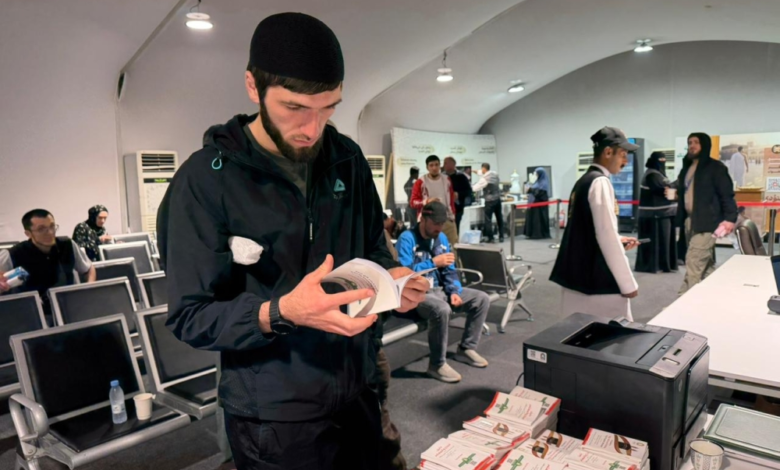
- برنامج “سفراء المشاعر”: يسلط الضوء على الجانب الإنساني والتنظيمي، مبرزاً النماذج المشرفة للعاملين والمتطوعين في خدمة الحجاج من طواقم الوزارة. كما ينقل مشاعر ضيوف برنامج خادم الحرمين الشريفين للحج والعمرة، ويوثق الجهود الميدانية والصور الإيمانية في المشاعر المقدسة.
- برنامج “الحج دعوة”: يُعنى بتقديم الرسائل الدعوية والإرشادية بلغات عالمية متعددة، مستعرضاً المبادرات التي تنفذها الوزارة لنشر قيم الوسطية والاعتدال، مما يعكس رسالة المملكة السامية في خدمة الإسلام والمسلمين حول العالم.
السياق التاريخي وتطور الإعلام في الحج
تاريخياً، كانت جهود التوعية في الحج تعتمد على المطويات المطبوعة والدروس المباشرة في المساجد والمخيمات. ومع التطور التكنولوجي الهائل، أدركت القيادة الرشيدة -أيدها الله- أهمية الإعلام المرئي والمسموع والرقمي في الوصول إلى ملايين الحجاج قبل وأثناء وصولهم إلى الأراضي المقدسة. إن تحول وزارة الشؤون الإسلامية نحو الإنتاج التلفزيوني الاحترافي يعكس مواكبة رؤية المملكة في التحول الرقمي والارتقاء بجودة الخدمات المقدمة لضيوف الرحمن، مما يضمن أداء المناسك بكل يسر وطمأنينة.
الأهمية والتأثير المتوقع محلياً ودولياً
تحمل هذه البرامج التلفزيونية أهمية كبرى وتأثيراً واسع النطاق على عدة مستويات. على الصعيد المحلي، تساهم في إبراز جهود الكوادر الوطنية والمتطوعين، مما يعزز من ثقافة التطوع وخدمة المجتمع. أما على الصعيدين الإقليمي والدولي، فإن بث هذه البرامج بلغات متعددة وعبر قنوات فضائية مختلفة يضمن وصول رسالة الإسلام الصافية المعتدلة إلى كافة أنحاء العالم. كما تساهم في تقديم صورة حقيقية ومشرقة عن التنظيم الدقيق والعناية الفائقة التي توليها حكومة خادم الحرمين الشريفين للحرمين الشريفين وقاصديهما.
خاتمة
في الختام، تؤكد وزارة الشؤون الإسلامية والدعوة والإرشاد أن هذه البرامج تأتي ضمن منظومة إعلامية متكاملة تهدف إلى توظيف أحدث الوسائل التقنية والإعلامية لإيصال الرسائل التوعوية. إن تضافر هذه الجهود يضمن تحقيق الهدف الأسمى للمملكة، وهو تمكين ضيوف الرحمن من أداء مناسكهم بكل يسر وسهولة وأمان، وسط أجواء إيمانية تحفها العناية والرعاية الفائقة.