
في خطوة تعكس حجم التوتر بين كوبا وأمريكا، أصدرت هيئة الدفاع المدني الكوبية مؤخراً وثيقة رسمية تحت عنوان “دليل عائلي”، تهدف من خلالها إلى توجيه المواطنين نحو كيفية الحماية والبقاء في حال التعرض لأي عدوان عسكري أمريكي محتمل. وقد نُشرت هذه الوثيقة عبر عدة مواقع إلكترونية حكومية تابعة للمقاطعات الكوبية، في وقت تشهد فيه العلاقات بين هافانا وواشنطن تصعيداً ملحوظاً ومحادثات شاقة.
السياق التاريخي للتوترات الأمريكية الكوبية
لا يمكن قراءة هذا التطور بمعزل عن الخلفية التاريخية المعقدة التي تجمع بين البلدين. فمنذ نجاح الثورة الكوبية في عام 1959، اتسمت العلاقات بين واشنطن وهافانا بالعداء الأيديولوجي والسياسي العميق. وقد بلغت هذه التوترات ذروتها خلال أزمة الصواريخ الكوبية عام 1962، وعملية خليج الخنازير، حيث عاشت الجزيرة الكوبية لعقود تحت وطأة التهديد المستمر والحصار الاقتصادي الأمريكي المفروض عليها. هذا الإرث التاريخي يجعل من إصدار أدلة الحماية المدنية خطوة مألوفة في الذاكرة الكوبية، رغم ندرتها في السنوات الأخيرة، وتأتي لتذكير الأجيال الجديدة بضرورة الاستعداد الدائم.
تفاصيل وثيقة “حماية، مقاومة، بقاء، وتغلب”
أعدت هيئة الدفاع المدني الكوبية هذه الوثيقة المكونة من عدة صفحات لتكون دليلاً عملياً موجهاً إلى جميع العائلات الكوبية. تحمل الوثيقة عنوان “حماية، مقاومة، بقاء، وتغلب”، وتقدم إرشادات دقيقة حول كيفية حماية الأرواح في مواجهة هجمات محتملة من العدو. وتتضمن التوصيات تجهيز “حقيبة ظهر عائلية” تحتوي على الضروريات الأساسية مثل مياه الشرب، الأطعمة، الأدوية، ومستلزمات النظافة الشخصية. كما تتطرق الوثيقة إلى كيفية التعامل مع إنذارات الضربات الجوية، وتشجع المواطنين على تعلم مبادئ الإسعافات الأولية، مشددة على أهمية البقاء على اطلاع دائم من خلال مجالس الدفاع المحلية.
أزمة اقتصادية واجتماعية خانقة تضرب كوبا
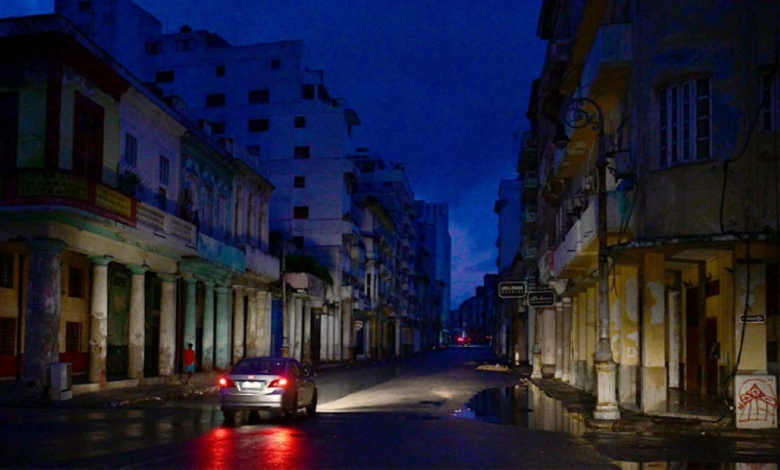
يأتي نشر هذا الدليل في توقيت حرج للغاية، حيث تعاني الجزيرة الكوبية، التي يبلغ عدد سكانها نحو 9.6 ملايين نسمة، من أزمة اجتماعية واقتصادية غير مسبوقة. يفتقر العديد من المواطنين إلى أبسط الضروريات الأساسية، وتواجه شبكة الكهرباء الوطنية حالة من الانهيار شبه التام بسبب نفاد احتياطيات الوقود والديزل. وقد أدت الانقطاعات المتكررة والطويلة للتيار الكهربائي إلى اندلاع موجة من الاحتجاجات الشعبية في عدة أحياء بالعاصمة هافانا خلال الأيام الماضية. وفي هذا السياق، تفرض الولايات المتحدة حصاراً صارماً على إمدادات المحروقات المتجهة إلى كوبا، مبررة ذلك بأن النظام الكوبي يمثل “تهديداً استثنائياً” للأمن القومي الأمريكي.
ورغم هذا التصعيد، شهدت الأيام الماضية تحركات دبلوماسية واستخباراتية نادرة، حيث عُقدت اجتماعات استثنائية بين مسؤولين أمريكيين رفيعي المستوى وقيادات كوبية في هافانا، في محاولة لإدارة الأزمة وسط انخراط البلدين في محادثات توصف بالصعبة والمعقدة منذ أشهر.
التأثير المتوقع للحدث محلياً وإقليمياً
على الصعيد المحلي، يُتوقع أن يزيد هذا الدليل من حالة الترقب والقلق بين الكوبيين، وقد يراه المراقبون محاولة من الحكومة لتوحيد الصف الداخلي وتوجيه الانتباه نحو التهديدات الخارجية في ظل تفاقم الأزمات المعيشية. أما إقليمياً، فإن تصاعد التوتر بين كوبا وأمريكا يلقي بظلاله على استقرار منطقة البحر الكاريبي وأمريكا اللاتينية، مما قد يدفع دول الجوار إلى الدعوة للتهدئة وتجنب أي تصعيد. ودولياً، يضع هذا الحدث سياسات العقوبات الأمريكية تحت مجهر المجتمع الدولي، الذي طالما انتقد الحصار الاقتصادي المفروض على هافانا وتأثيره المباشر على المدنيين العزل.