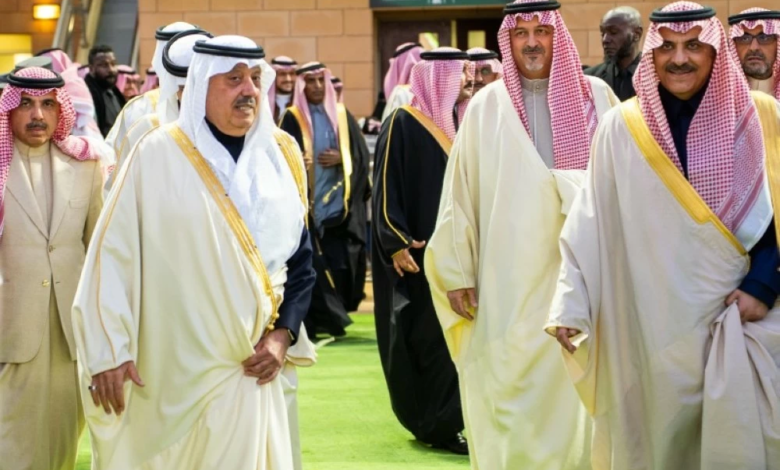

The curtain fell today in Riyadh on the King Abdullah Humanitarian Foundation Horse Award (Local Production Category), held at the King Abdulaziz Equestrian Field in Janadriyah. The closing ceremony witnessed a remarkable turnout of equestrian enthusiasts, along with prominent figures and a large audience, amidst a spirited and competitive atmosphere that reflected the esteemed position of equestrianism as an authentic and deeply rooted cultural symbol in Saudi identity.
A historical legacy and royal care for Arabian horses
This award holds special significance as it bears the name of King Abdullah bin Abdulaziz – may God have mercy on him – who was known for his great passion for horses and his keen interest in preserving their purebred Arabian lines. The organization of these events at the King Abdulaziz Equestrian Field in Janadriyah connects the present with the past, as this field stands as a magnificent landmark that has witnessed the development of equestrian sports in the Kingdom for decades. These championships are an extension of the generous support provided by the leadership and relevant authorities to the equestrian sector, with the aim of instilling this national heritage in the hearts of future generations.
Details of the rounds and competitions
The competition featured seven intense and exciting races, ranging in length from 1600 to 1800 meters, for locally bred horses, in addition to races specifically for new stables to encourage new owners. The races bore names reflecting the comprehensive humanitarian and developmental work of the foundation, with riders competing for: the King Abdullah bin Abdulaziz Endowment Cup for Giftedness and Creativity, the King Abdulaziz Public Library Cup, the King Abdulaziz and His Companions Foundation for Giftedness and Creativity Cup, the King Abdullah Endowment Cup for His Parents, the Developmental Housing Cup, the King Abdullah Sons Stables Cup, and finally, the King Abdullah International Foundation for Humanitarian Work Cup.
Supporting the sports economy and empowering talent
The foundation affirmed in its statement that this award transcends being merely a sporting event, serving as a developmental catalyst aimed at empowering Saudi individuals. This is achieved through direct support for Saudi owners, trainers, and riders, and by providing competitive platforms that contribute to honing emerging national talents. This initiative contributes to the economic and technical development of the equestrian system, enhancing its sustainability and establishing it as a promising industry aligned with national aspirations for developing the sports sector.
Public engagement and valuable prizes
The events weren't limited to races; they also included a vibrant community carnival aimed at the attendees, adding a festive atmosphere to the event. As part of its commitment to social responsibility and community engagement, the organization held major raffles with substantial prizes, including 10 cars, 28 motorcycles, and 220 Umrah pilgrimages, in addition to numerous other prizes. This reflects the organization's dedication to ensuring the event had a tangible and positive impact on all attendees.