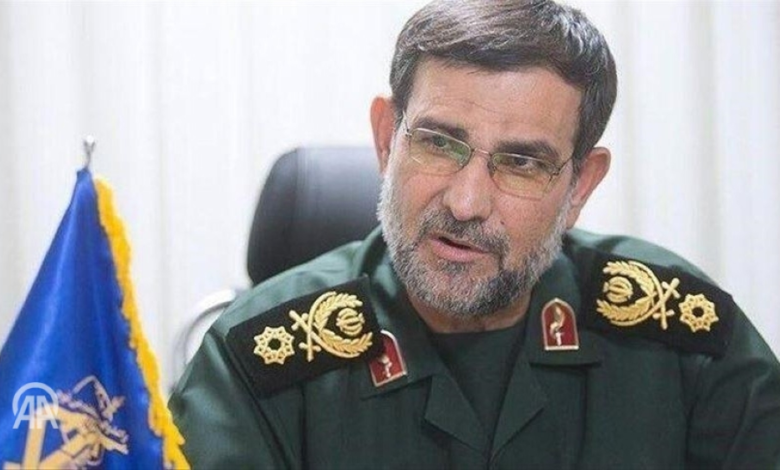
Ali Reza Tangsiri, commander of the Iranian Revolutionary Guard's navy, was killed

Details of the targeting of the Iranian Revolutionary Guard Navy commander
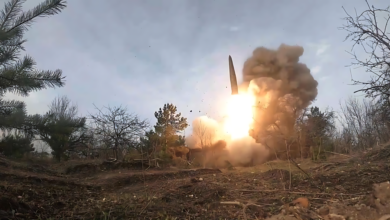
Israeli media outlets, citing Al-Arabiya, reported in a breaking news bulletin that the commander of the Iranian Revolutionary Guard's naval forces, Admiral Ali Reza Tangsiri, was killed in an airstrike targeting the strategic port city of Bandar Abbas in southern Iran. If officially confirmed, this event would represent a dangerous and unprecedented escalation in the ongoing shadow war between Israel and Tehran, especially given that the attack occurred deep inside Iran and at one of the country's most important naval bases.
Who is Ali Reza Tangsiri?
Admiral Ali Reza Tangsiri assumed command of the Iranian Revolutionary Guard Corps Navy in August 2018, by direct order of Iranian Supreme Leader Ali Khamenei, succeeding Admiral Ali Fadavi. Tangsiri is known for his hardline statements and hostile stance toward the Western, and specifically American, military presence in the Persian Gulf and the Strait of Hormuz. Under his leadership, the Revolutionary Guard Navy has focused on asymmetric warfare tactics, the use of fast attack craft, and the development of drones and anti-ship missiles, making him a pivotal figure in Iran's deterrence strategy and ongoing naval skirmishes.
The strategic importance of Bandar Abbas and the expected repercussions
The port city of Bandar Abbas, overlooking the Persian Gulf and the Strait of Hormuz—a vital artery for global oil exports—is a major hub for the Iranian navy. An Israeli military strike in this sensitive area would not only target a high-ranking military commander but also send a powerful deterrent message, demonstrating the capabilities of Israeli intelligence and the military to penetrate fortifications and reach strategic targets deep within Iranian territory. Such an event is expected to provoke widespread regional and international reactions, given its direct impact on maritime security in the Red Sea and the Persian Gulf, and the potential for the region to descend into open military conflict that could affect global energy markets.
The American position and Trump's statements regarding the Iranian negotiations
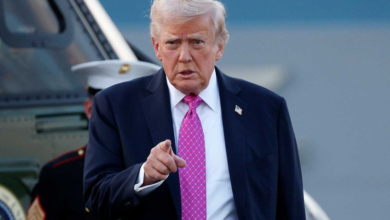
In a related context, the internal and external political complexities of the Iranian regime are becoming increasingly apparent amidst the pressures facing Tehran. Former US President Donald Trump previously alluded to these complexities, threatening to unleash “the gates of hell” on Iran if it did not acknowledge defeat in its regional policies. In remarks made during a dinner with Republican members of Congress, Trump revealed that Tehran was actively engaged in secret peace talks, indicating that the Iranian leadership was eager to reach an agreement to alleviate the crippling economic sanctions.
Trump explained that Tehran's continued denial of these negotiations stems from deep internal fears, as Iranian negotiators are afraid of a backlash from hardliners within the country. He stated, "They are negotiating and they desperately want to make a deal, but they are afraid to say so because they believe that if they do, they will be killed by their own people." This statement reflects the extent of the internal divisions and the pressure the Iranian leadership is under amidst the ongoing military escalation and the rapidly deteriorating economy.